
Azerbaijan School Hijab Ban Sparks Civil Unrest and Regional Friction
Enforcement of restrictions barring the hijab in Azerbaijani state schools has ignited domestic demonstrations, exacerbating diplomatic tensions with Tehran and introducing fresh volatility into a vital Eurasian energy corridor.
Geopolitical & Core Developments
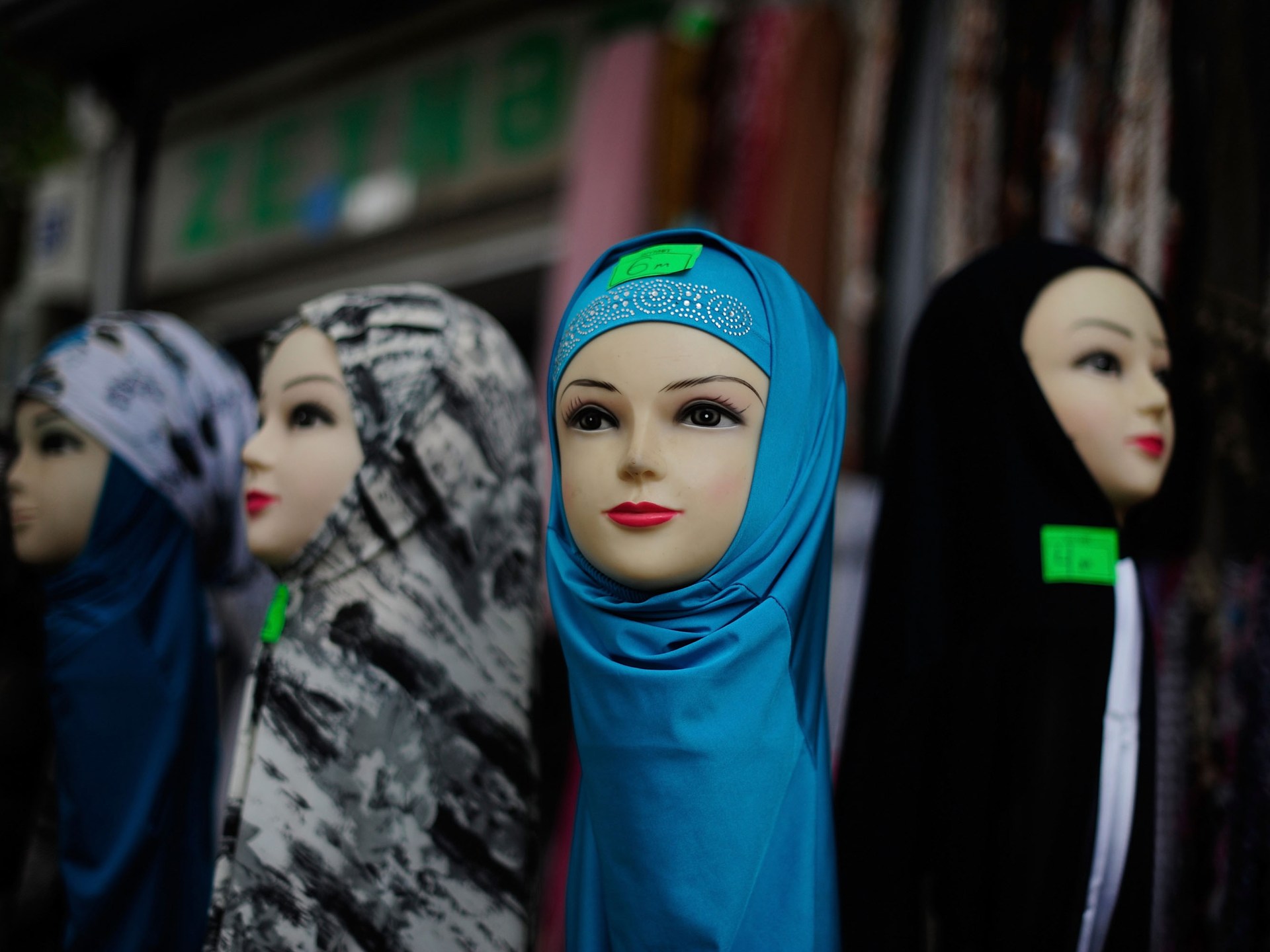
Civil demonstrations have escalated across several Azerbaijani municipalities following institutional enforcement of guidelines barring students and educators wearing headscarves from entering state schools. The Azerbaijani Ministry of Education defended the enforcement by citing statutory uniform codes and constitutional secularism. However, grassroots pushback has mobilized significant segments of the country's conservative majority-Muslim population, who view the implementation as an infringement on religious liberty.
Demonstrations initially centered outside secondary academies in regional hubs such as Nardaran and parts of Baku before spreading to administrative centers. Security forces detained dozens of prominent community figures and activists organizing public rallies, alleging foreign-backed agitation aimed at destabilizing state authority. The confrontation highlights long-standing ideological fault lines within Azerbaijan, where the central administration maintains tight secular control while neighboring the Islamic Republic of Iran. The bilateral relationship between Baku and Tehran has grown increasingly precarious, marked by mutual accusations of regional meddling and cross-border ideological influence.
Global Trade & Economic Ripples
While the dispute centers on civil liberties and domestic social cohesion, any prolonged unrest within Azerbaijan presents notable operational risks to international trade lanes and energy supply lines. Azerbaijan serves as a linchpin of the Middle Corridor, an overland transit link bridging Chinese and Central Asian export markets directly to Western Europe via the South Caucasus. Sustained civil volatility or harsh internal security measures could heighten operational security premiums along these intermodal transportation routes.
Furthermore, Azerbaijan remains a critical alternative energy supplier to the European Union through the Southern Gas Corridor pipeline network. European commodity importers rely heavily on natural gas volumes delivered via the Trans Adriatic Pipeline to hedge against continental energy shortfalls. Financial analysts note that while hydrocarbons production remains physically insulated in offshore Caspian fields, broader civic disturbances could amplify country-risk ratings, complicating capital deployment for planned cross-border infrastructure, petrochemical ventures, and green energy transit initiatives financed through European developmental institutions.
Related Intelligence: French School Shooting Triggers Security Review and Domestic Policy Strains
International Reactions & Diplomatic Stances
International reactions have mirrored broader geopolitical alignments across the Caspian basin. In Tehran, prominent clerics and foreign ministry officials issued direct condemnations, characterizing the restrictions as an attack on Islamic values and warning Baku against alienating its domestic population. Iranian state media has offered expansive coverage of the protests, prompting authorities in Baku to summon diplomatic personnel over allegations of interference in internal state governance.
In contrast, Western human rights monitors and multilateral organizations have expressed concern regarding the detention of nonviolent demonstrators, calling on Azerbaijani authorities to respect fundamental freedoms of assembly, expression, and conscience. European diplomatic missions in the capital have refrained from issuing sharp unilateral censures, reflecting the delicate balance Western capitals maintain between advocating for democratic governance and preserving essential energy supply partnerships with the Aliyev administration.
Strategic Outlook & Future Scenarios
Moving forward, the primary trajectory suggests a continuation of firm state enforcement coupled with targeted crackdowns on unsanctioned demonstrations. The Azerbaijani security apparatus has historically prioritized political stability and secularism over legislative concessions, making a nationwide policy reversal on school uniform standards unlikely in the immediate term.
However, the potential for prolonged friction remains substantial if Tehran uses the issue to leverage political pressure against Baku amidst wider regional disputes involving Armenia, Israel, and transport corridors in the Caucasus. Observers anticipate that security crackdowns could prompt targeted condemnation from international human rights bodies during upcoming multilateral summits. Continued civil unrest risks transforming a domestic dispute over educational regulations into a broader regional issue, underscoring the delicate balance between secular governance and social stability in Eurasia.
Join Our Official WhatsApp Channel
Receive live commodity alerts, policy changes, and commercial intelligence directly on WhatsApp.