
Trump Rejects Tehran Strait of Hormuz Proposal Escalating Middle East Crisis
Washington has dismissed Tehran's proposed seven-day plan to reopen the strategic Strait of Hormuz, deepening international geopolitical tensions and threatening global energy security.
Geopolitical & Core Developments
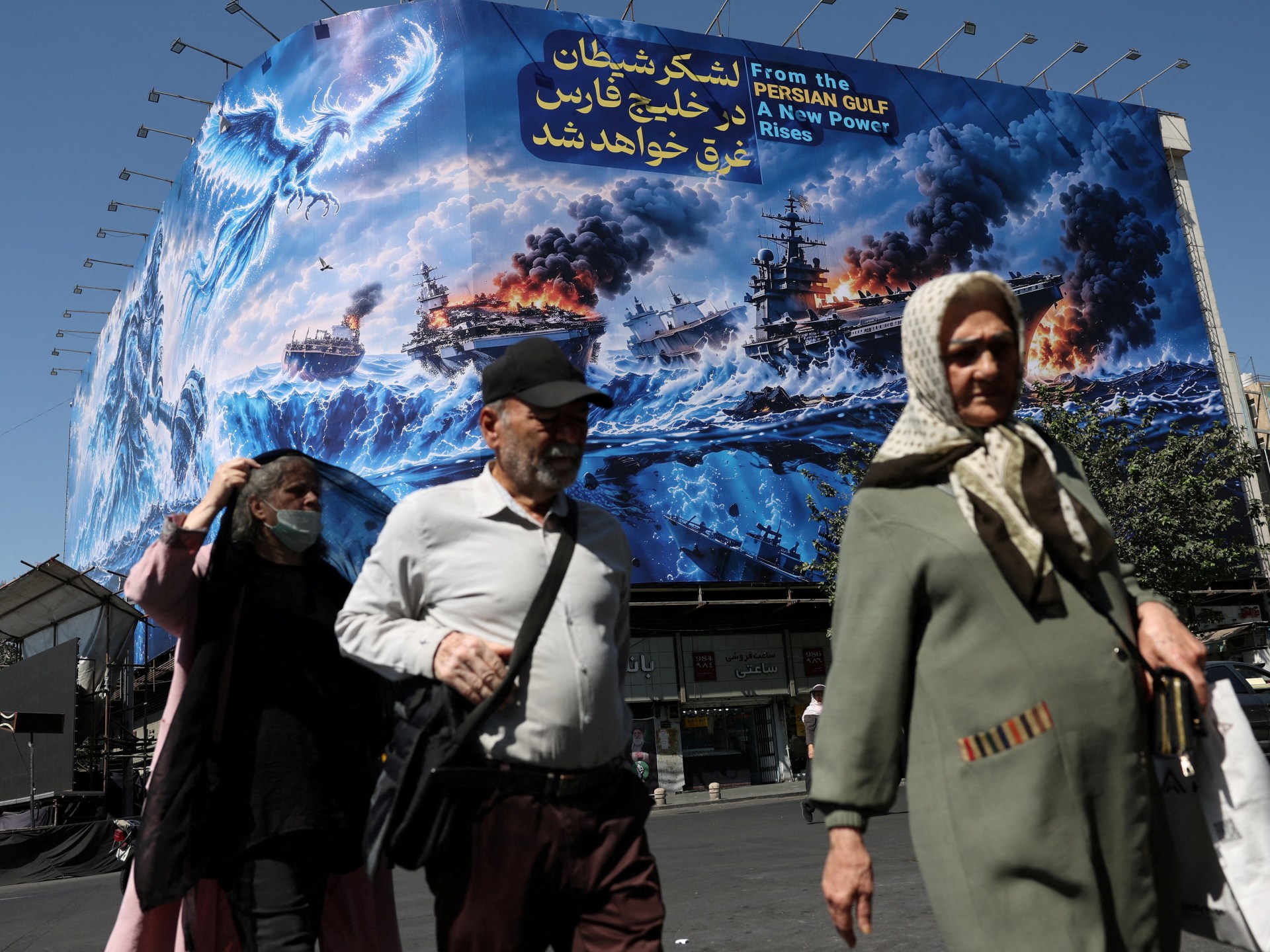
The geopolitical standoff between Washington and Tehran intensified dramatically following the United States administration's outright rejection of an Iranian proposal aimed at resolving the impasse over the Strait of Hormuz. The contested proposal, which outlined a seven-day framework intended to facilitate the gradual reopening of the vital maritime passage, was dismissed by US leadership as entirely unacceptable. This diplomatic friction underscores the precarious nature of security dynamics in the Persian Gulf, where unilateral maneuvers and posturing by state actors continue to challenge international norms of freedom of navigation. Diplomatic channels, already heavily strained by broader disputes concerning nuclear enrichment and regional proxy conflicts, appear increasingly deadlocked as both nations dig in their heels. Military analysts note that naval assets from both sides remain on heightened alert, raising the risk of unintended tactical engagements in one of the world's most heavily monitored maritime corridors. The breakdown in communication over the Hormuz reopening signals a dangerous phase in the ongoing crisis, leaving little room for immediate de-escalation without a significant shift in diplomatic posture from either capital.
Global Trade & Economic Ripples
The refusal to accept Tehran's reopening roadmap immediately reverberated across global commodity markets, sending shockwaves through international energy pricing structures. The Strait of Hormuz serves as the world's premier petroleum chokepoint, through which a massive percentage of globally traded crude oil and liquefied natural gas must pass to reach major Asian, European, and American markets. Energy traders reacted swiftly to the news, pricing in a persistent risk premium that drove up Brent and WTI crude futures. Beyond petroleum, the disruption and lingering uncertainty surrounding maritime transit lanes are beginning to cascade into broader supply chains, inflating freight and marine insurance rates for commercial vessels operating in the broader Middle East. Importers of industrial raw materials and agricultural commodities dependent on these sea routes are facing mounting logistical costs, while foreign exchange markets reflect heightened risk aversion, impacting emerging market currencies and pressuring global economic growth forecasts amid already fragile post-inflation recovery conditions.
Related Intelligence: Deadly Violence in Saint Vincent Shakes Caribbean Tourism and Regional Stability
International Reactions & Diplomatic Stances
International capitals and multilateral organizations have responded to the stalled negotiations with mounting alarm. Representatives from the United Nations have issued urgent appeals for restraint, emphasizing that any kinetic conflict in the Persian Gulf would inflict catastrophic damage on the global economy and humanitarian stability in the region. European Union foreign policy officials expressed deep concern over the rejection of the Iranian plan, calling instead for immediate backchannel talks and European-led maritime monitoring initiatives to prevent commercial shipping blockades. Meanwhile, major Asian economies—which rely heavily on Persian Gulf hydrocarbon imports—have quietly intensified diplomatic outreach to both Washington and Tehran, urging pragmatic compromises to safeguard energy supplies. Market analysts note that the lack of a unified international coalition capable of enforcing diplomatic solutions leaves energy markets uniquely vulnerable to political rhetoric and sudden escalations.
Strategic Outlook & Future Scenarios
Looking ahead, the trajectory of the crisis hinges heavily on whether alternative diplomatic frameworks can be established before economic pressures force a harsher confrontation. Observers point to upcoming international summits and scheduled meetings of energy ministers as critical windows for reviving negotiations, though prospects for a breakthrough appear dim in the near term. Should the diplomatic freeze persist, the risk profile for commercial shipping will remain elevated, likely prompting persistent upward pressure on energy prices and accelerating strategic shifts toward long-term energy diversification among major importing nations. Furthermore, the potential implementation of secondary sanctions and heightened naval escorts for commercial tankers points toward a protracted period of managed friction, where global markets must continually price in the looming threat of supply disruptions.
Join Our Official WhatsApp Channel
Receive live commodity alerts, policy changes, and commercial intelligence directly on WhatsApp.