
North Korea Fires Submarine Cruise Missiles Amid Rising Regional Security Tensions
Pyongyang has conducted tests of two submarine-launched cruise missiles, signaling enhanced naval strike capabilities. The move heightens security risks across Northeast Asian maritime corridors and commercial shipping routes.
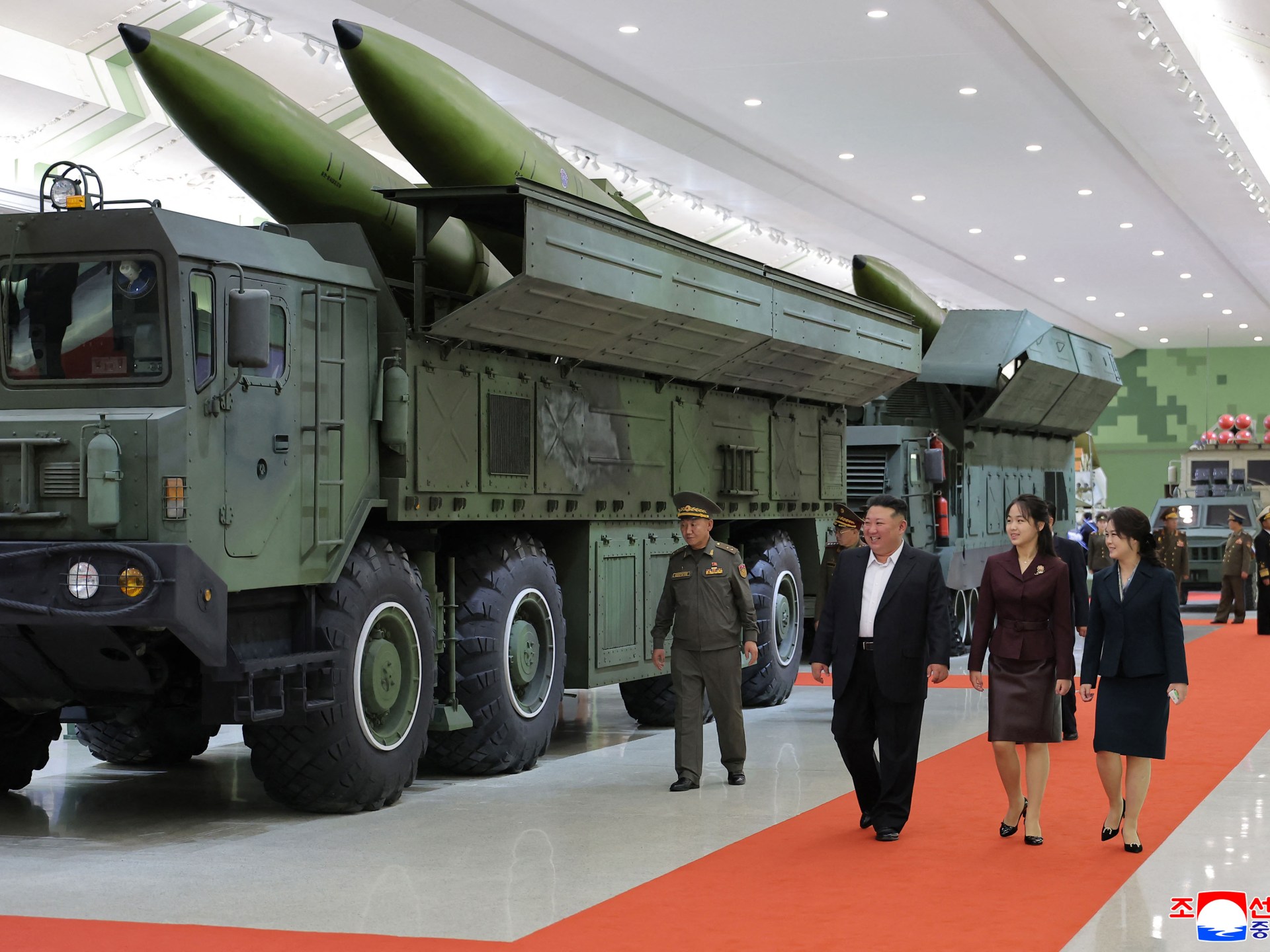
Geopolitical & Core Developments
North Korea has test-fired two submarine-launched strategic cruise missiles, according to state media reports, marking a significant advancement in Pyongyang's underwater weapons capabilities. The state-run Korean Central News Agency (KCNA) confirmed that the launch was conducted from a submarine off the eastern coast of Sinpo. The missiles reportedly flew designated distances before striking specified targets in the waters off the Korean Peninsula, confirming the operational reliability of the delivery system.
The timing of the missile test is strategically aligned with the commencement of extensive joint military maneuvers between the United States and South Korea. Pyongyang has historically framed these bilateral drills as rehearsals for invasion, repeatedly threatening decisive deterrence actions. By conducting launches from a submerged platform, North Korea seeks to project a credible secondary-strike capability, demonstrating that its nuclear and conventional arsenals can bypass land-based early warning radar networks and regional defense batteries. This tactical posturing introduces a critical new dimension to the protracted standoff in Northeast Asia.
Global Trade & Economic Ripples
While the tests represent primarily a security crisis, their economic ramifications extend across East Asian trade networks. The Sea of Japan, known locally as the East Sea, serves as a vital transit corridor for commercial shipping, bulk cargo, and energy supplies headed to major industrial powers, including South Korea, Japan, and northern China. Recurrent missile activity forces maritime logistics operators to evaluate war-risk insurance premiums, introducing potential friction into dense shipping lanes.
Furthermore, heightened regional volatility places subtle downward pressure on regional sovereign debt instruments and exposes currencies, such as the South Korean won and Japanese yen, to safe-haven outflows toward the United States dollar. Any protracted escalation around the Korean Peninsula also threatens advanced manufacturing sectors, particularly semiconductor fabrication and electronics supply chains concentrated heavily in South Korea and Taiwan. A material disruption in these logistics corridors would carry severe inflationary consequences for global technology and industrial supply chains.
Related Intelligence: Indonesian Wildfire Haze Triggers Environmental Crisis and Regional Economic Concerns
International Reactions & Diplomatic Stances
The launches drew immediate condemnation from regional neighbors and Western allies. South Korea's Joint Chiefs of Staff stated that military intelligence units are monitoring North Korean activities in close coordination with United States defense officials, warning that any provocation would be met with an overwhelming, unified response. Tokyo also lodged a diplomatic protest via embassy channels in Beijing, with Japanese government spokespersons condemning the launches as direct violations of United Nations Security Council resolutions prohibiting North Korean ballistic and strategic weapons proliferation.
Conversely, the United Nations Security Council remains paralyzed regarding further punitive actions. The widening geopolitical rift between Washington, Beijing, and Moscow has consistently shielded Pyongyang from new multilateral sanctions. Chinese and Russian envoys continue to argue that US-led military exercises provoke North Korea's responsive posture, advocating for a reduction in military drills rather than the imposition of additional economic embargoes.
Strategic Outlook & Future Scenarios
The trajectory of the Korean Peninsula appears set on a pathway of reciprocal escalation. In the near term, Washington and Seoul are expected to proceed with their scheduled combined exercises, incorporating strategic assets such as nuclear-powered aircraft carriers and long-range bombers. In turn, North Korea is likely to respond with further ballistic missile tests, potential solid-fuel intercontinental ballistic missile launches, or an anticipated seventh underground nuclear test.
As the perimeter of North Korea's operational naval forces expands, commercial enterprises operating across the Asia-Pacific region must prepare for persistent geopolitical friction. Long-term containment will require renewed multilateral coordination; however, in the absence of diplomatic dialogue between Washington and Pyongyang, military posturing will remain the dominant mechanism of communication, keeping regional risk premiums elevated for the foreseeable future.
Join Our Official WhatsApp Channel
Receive live commodity alerts, policy changes, and commercial intelligence directly on WhatsApp.