
Indonesian Wildfire Haze Triggers Environmental Crisis and Regional Economic Concerns
Severe wildfires in Indonesia have blanketed Central Kalimantan in dense orange smog, sparking public health emergencies and reviving diplomatic tensions across Southeast Asia over cross-border environmental governance and commodity supply chains.
Geopolitical & Core Developments
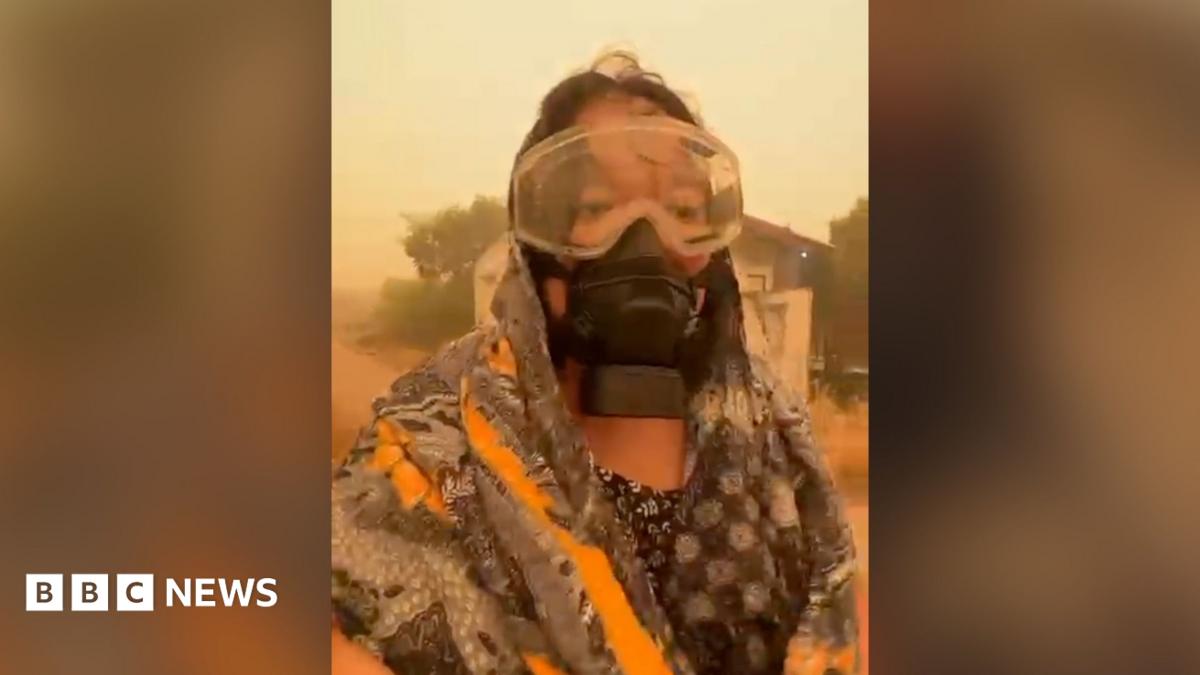
The recurrence of severe peatland fires across Indonesia has once again elevated domestic environmental distress into a significant regional crisis. Dramatic scenes emerged from Palangka Raya, the capital of Central Kalimantan, where atmospheric scattering caused by dense airborne particulates cast cities under a blood-orange sky. The phenomenon, driven by Rayleigh and Mie scattering from heavy concentrations of smoke and carbon ash, has triggered widespread school closures, localized flight grounded schedules, and an acute spike in respiratory illnesses among civilian populations.
The fires, primarily linked to the unregulated slash-and-burn clearing of tropical peatlands and agrarian tracts during the prolonged dry season, underscore persistent regulatory and enforcement hurdles faced by Jakarta. While the Indonesian government deployed thousands of military personnel, firefighters, and water-bombing aircraft to contain hotspots across Sumatra and Kalimantan, the subterranean nature of peat fires makes complete eradication exceptionally difficult. State authorities have launched investigations into several corporate concessions and smallholder collectives, but the structural dynamics of regional land tenure continue to complicate national mitigation strategies.
Global Trade & Economic Ripples
The economic fallout extends directly into international agricultural commodity markets, where Indonesia occupies a dominant position as the world's largest producer of crude palm oil (CPO). Disruptions to localized logistics, worker displacement due to hazardous air quality, and physical fire damage to plantation perimeters present acute threats to harvesting timelines. Benchmark palm oil futures on the Bursa Malaysia Derivatives exchange have registered volatility as traders assess whether prolonged dry conditions and logistical blockages will constrain global edible oil supplies.
Simultaneously, the broader supply chains for timber, rubber, and pulpwood face operational drag. Visibility reductions along major riverine transit routes and coastal corridors pose logistical friction for domestic shipping, delaying dry bulk shipments destined for major processing hubs in East Asia. From an environmental finance perspective, the massive carbon emissions generated by burning peat—which stores vast reserves of subterranean carbon—complicate Indonesia's commitments under international climate financing frameworks and its nascent domestic carbon trading mechanisms.
Related Intelligence: Mexico Mandates Stricter Child Protection Protocols for Major Tech Giants
International Reactions & Diplomatic Stances
The escalation of transboundary haze has historically tested diplomatic cohesion within the Association of Southeast Asian Nations (ASEAN). The ASEAN Agreement on Transboundary Haze Pollution, established to institutionalize collaborative monitoring and mitigation, is facing renewed operational scrutiny. Neighboring states, including Malaysia and Singapore, have previously voiced grave concerns over transboundary smoke drifting into their sovereign airspaces, urging swift operational compliance and enhanced enforcement against rogue agribusiness operators.
Multilateral bodies and environmental agencies, including the United Nations Environment Programme (UNEP), have underscored the necessity of robust regional monitoring. International climate observers note that recurrent peat fires jeopardize multinational ESG (Environmental, Social, and Governance) commitments, potentially exposing major agribusiness conglomerates to heightened regulatory scrutiny under the European Union Deforestation Regulation (EUDR) and other international trade governance regimes.
Strategic Outlook & Future Scenarios
Looking ahead, the trajectory of the crisis will depend largely on macroeconomic weather patterns, particularly the intensity of regional climate cycles such as El Niño or the Indian Ocean Dipole, which govern rainfall distribution across maritime Southeast Asia. Should dry spells persist, transboundary haze could escalate diplomatic rhetoric between Jakarta, Kuala Lumpur, and Singapore, testing the efficacy of bilateral diplomatic channels ahead of high-level regional summits.
In the medium to long term, Indonesian authorities face mounting pressure to balance economic development within the agrarian sector against the escalating costs of public health emergencies and international carbon obligations. Enhanced satellite tracking, aggressive legal action against corporate offenders, and the structural revitalization of the Peatland and Mangrove Restoration Agency (BRGM) will serve as critical benchmarks for global investors monitoring regional sovereign risk and supply chain integrity.
Join Our Official WhatsApp Channel
Receive live commodity alerts, policy changes, and commercial intelligence directly on WhatsApp.