
Peshawar School Roof Collapse Kills 21, Triggering Building Safety Scrutiny
A structural collapse at a private school in Peshawar has claimed 21 lives, prompting urgent calls for regulatory enforcement across urban commercial properties and building standards.
The Core Development
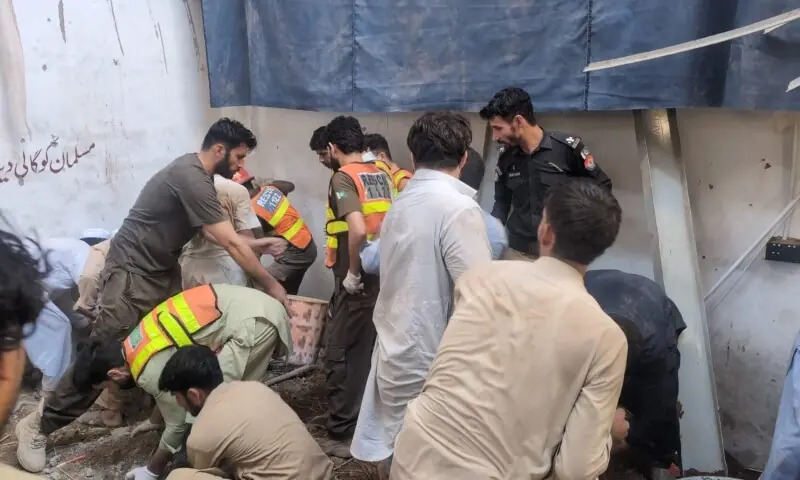
A catastrophic structural failure struck a private primary school in the Afridi Abad locality of Peshawar on Thursday, resulting in the deaths of at least 21 people, including 20 schoolchildren and a female teacher. The disaster unfolded during active school hours when the primary concrete-and-brick roof of a classroom block suddenly gave way, trapping dozens of students beneath tons of heavy debris.
According to statements issued by Muhammad Asim, spokesperson for Lady Reading Hospital (LRH), an immediate medical emergency was declared as search and rescue teams transported casualties to the facility. Hospital officials confirmed that all the deceased children were aged thirteen and under, with at least 17 other students admitted with critical trauma and crush injuries. Bilal Ahmed Faizi, spokesperson for Rescue 1122, confirmed that emergency teams mobilized heavy earth-moving equipment and specialized search gear to recover trapped victims from the dense rubble. The Peshawar Deputy Commissioner’s office reported that an administrative inquiry has been instituted to establish the primary architectural and regulatory causes of the structural collapse.
Commercial & Economic Implications
Beyond the immediate humanitarian tragedy, the incident has exposed structural weaknesses in Pakistan's rapidly expanding private education real estate market. Across secondary urban centers, low-cost private educational institutions frequently operate out of converted residential units, substandard low-rise structures, or aging properties that bypass formal building inspections. The disaster is anticipated to trigger immediate regulatory crackdowns by urban development authorities across Khyber Pakhtunkhwa.
For the commercial construction sector, heightened scrutiny will directly impact local building material supply chains. The widespread use of suboptimal aggregate mixes, substandard steel rebar, and expired cement in low-budget urban construction projects has come under severe public criticism. Stricter municipal oversight will likely compress margins for uncertified small-scale building contractors while driving up compliance and refurbishment costs for private institutional property owners. Commercial property leasing to educational businesses will face renegotiated risk premiums, third-party structural audit mandates, and increased public liability insurance burdens.
Related Intelligence: Sally Rooney Works Withdrawn as UK Retailers Face Political Fallout
Stakeholder Perspectives & Market Reactions
Public outrage in Peshawar and the broader provincial capital was immediate, with civil society organizations, trade syndicates, and parents demanding structural audits of all unregulated private academic facilities. Urban development experts pointed out that rapid commercialization in neighborhoods like Afridi Abad has occurred without corresponding infrastructure upgrades or rigorous adherence to seismic and load-bearing building codes.
Private school associations have reacted cautiously, defending the necessity of low-cost neighborhood schooling while urging district administrations to provide subsidized structural certification programs rather than enforcing punitive blanket closures. Meanwhile, legal advocates have called for strict enforcement of municipal building safety acts, demanding criminal negligence charges against both negligent building contractors and municipal inspectors who grant operational permits without adequate structural sign-offs.
Forward Outlook & Key Watchpoints
The immediate horizon will involve official magisterial inquiry findings determining whether poor construction materials, unapproved multi-story vertical expansions, or chronic water leakage contributed to the structural failure. Municipal authorities across Peshawar and neighboring districts are expected to initiate comprehensive building audit drives targeting private educational buildings and high-occupancy commercial properties.
Key watchpoints for observers include whether provincial authorities will introduce standardized fitness certification frameworks for institutional facilities and tighten the oversight of building material sourcing in secondary commercial hubs. For commercial real estate developers, educational operators, and retail property holders, adhering to formal building codes will transition from an administrative formality into a non-negotiable operational prerequisite.
Join Our Official WhatsApp Channel
Receive live commodity alerts, policy changes, and commercial intelligence directly on WhatsApp.