
North Korea Fires Ballistic Missiles Amid Escalating Regional Tensions
North Korea fired multiple ballistic missiles toward the sea in an apparent show of force following South Korea's recent hypersonic missile test, escalating geopolitical risks across the Indo-Pacific region.
Geopolitical & Core Developments
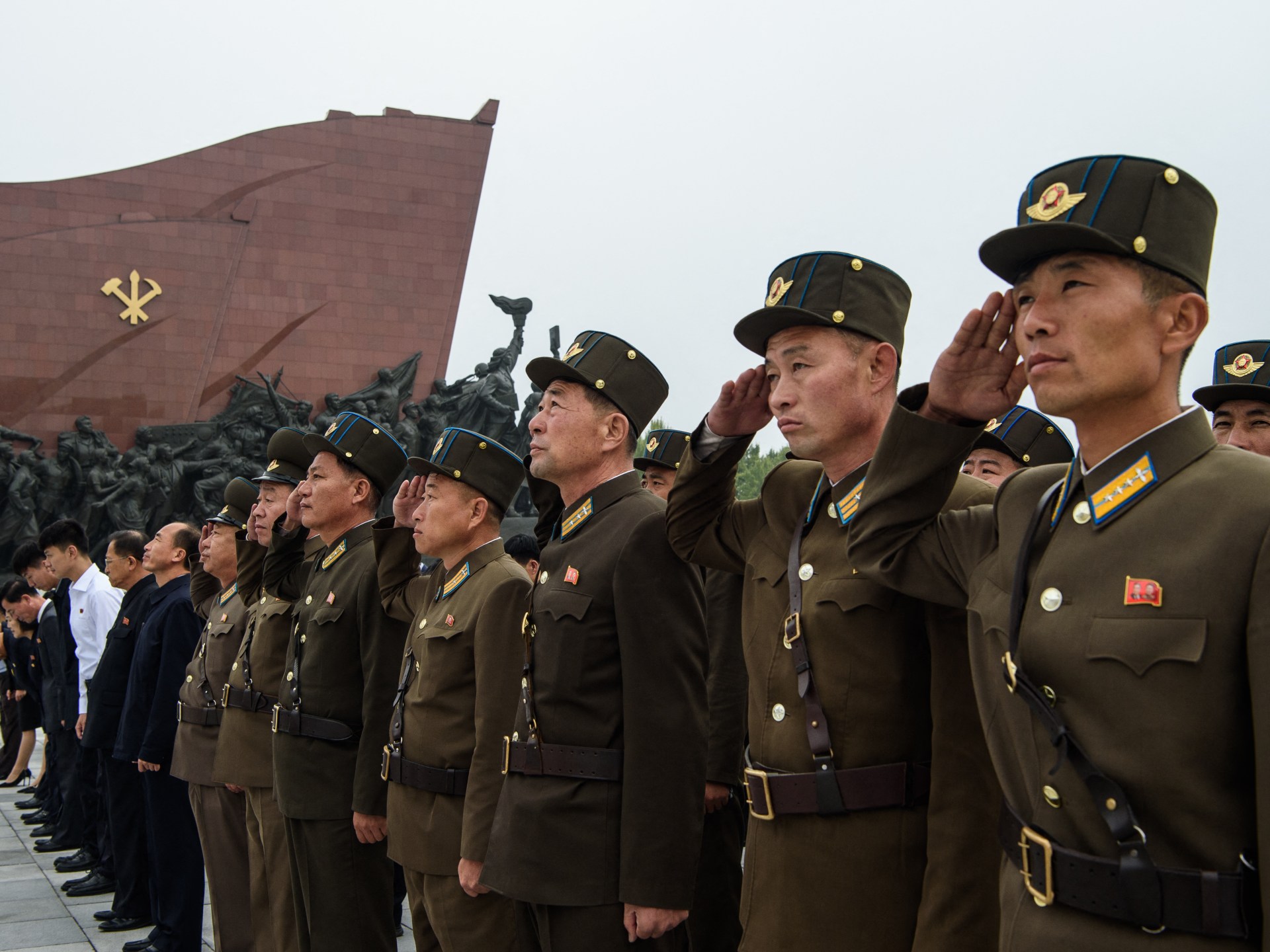
North Korea launched multiple ballistic missiles toward its eastern waters, marking a significant escalation in security tensions across the Korean Peninsula. According to military authorities in Seoul, the latest missile launch appears to be a direct show of force designed to counter South Korea's recent high-profile test-fire of an advanced hypersonic missile. The timing of Pyongyang's provocation underscores a tit-for-tat deterrence posture that has come to define inter-Korean relations under the current administration. State media outlets and defense analysts noted that these launches test the response capabilities of regional missile defense systems, heightening military readiness levels in both Seoul and Tokyo. The strategic stakes are exceedingly high, as consecutive missile tests narrow the diplomatic window for engagement and institutionalize a security dilemma driven by technological escalation. State actors in the region are increasingly reliant on robust deterrence frameworks, which in turn amplify the risk of miscalculation along heavily contested maritime and aerial borders.
Global Trade & Economic Ripples
While the immediate aftermath of the missile launch remains contained to military signaling, the persistent instability in the Indo-Pacific exerts subtle yet critical pressures on global trade and commodity markets. The Sea of Japan and surrounding waters serve as vital arteries for international shipping lanes connecting major East Asian manufacturing hubs to North American and European markets. Prolonged military drills, live-fire exercises, and navigational warnings issued in response to ballistic missile trajectories threaten commercial shipping schedules, driving up marine war risk insurance premiums and diverting cargo vessels. Furthermore, heightened geopolitical tensions in Northeast Asia directly influence investor sentiment toward regional currencies, including the South Korean Won and the Japanese Yen. Global energy markets also remain acutely sensitive to security developments in the region; any escalation that threatens the stability of vital trade corridors immediately feeds into speculative pricing for crude oil and liquefied natural gas, creating volatility for industrial consumers worldwide.
Related Intelligence: Sudanese Mining Strike Casualties Ignite Regional Tensions and Commodity Fears
International Reactions & Diplomatic Stances
International condemnation was swift, with multilateral bodies and allied governments moving quickly to address the security breach. The United Nations and Western capitals reiterated that Pyongyang's continued ballistic missile program constitutes a blatant violation of multiple UN Security Council resolutions, undermining international non-proliferation norms. Washington reaffirmed its ironclad security commitments to both South Korea and Japan, emphasizing trilaterally coordinated defense measures and intelligence sharing. Meanwhile, market analysts and geopolitical risk consultancies have cautioned that diplomatic channels remain severely constrained. With traditional avenues of dialogue effectively frozen and major powers divided within the UN Security Council, the international community faces diminishing leverage to compel Pyongyang back to the negotiating table, leaving economic sanctions and deterrence postures as the primary instruments of statecraft.
Strategic Outlook & Future Scenarios
Looking ahead, the trajectory of security dynamics on the Korean Peninsula points toward sustained volatility, with few prospects for immediate de-escalation. Upcoming regional summits and military exercises will likely serve as flashpoints for further retaliatory tests by Pyongyang, which continues to modernize its nuclear and conventional arsenals. Defense planners are closely monitoring potential technological cooperation between North Korea and external partners, a development that could accelerate Pyongyang's missile capabilities. For global commodity markets and international supply chains, this protracted standoff necessitates enhanced contingency planning against sudden disruptions in Northeast Asian trade routes. As deterrence strategies harden across the board, the margin for diplomatic error diminishes, keeping commercial markets on high alert for further escalation.
Join Our Official WhatsApp Channel
Receive live commodity alerts, policy changes, and commercial intelligence directly on WhatsApp.