
Nomadic Security Crisis Escalates Following Rare Predator Incursion Near Ulaanbaatar
A fatal bear attack inside a traditional nomadic dwelling near Mongolia's capital underscores growing human-wildlife conflicts driven by environmental pressures.
Geopolitical & Core Developments
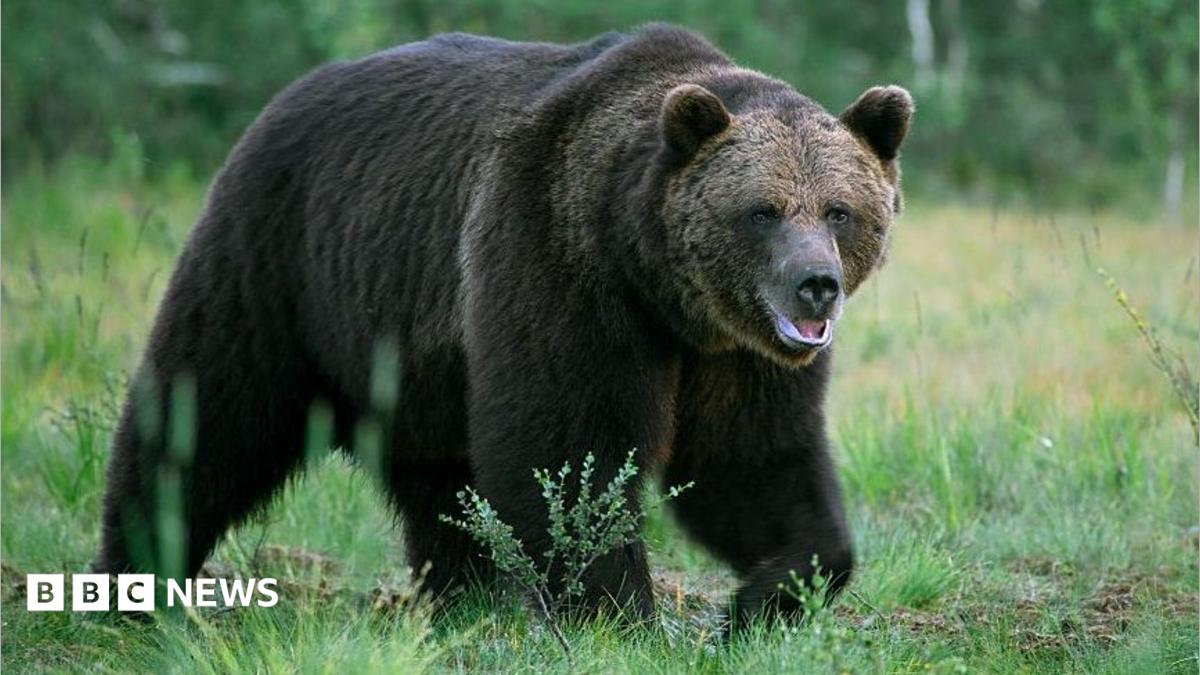
In an alarming incident underscoring the friction between rapid industrial encroachment and traditional nomadic existence, local law enforcement agencies confirmed that a wild bear breached a traditional nomadic dwelling, known as a ger, located in the immediate periphery of Mongolia's capital, Ulaanbaatar. The targeted assault resulted in the tragic death of one adult male resident and left a female companion with severe injuries requiring intensive medical intervention. Mongolian national police and emergency management units deployed immediate response teams to the remote peri-urban fringe, neutralizing the threat and launching a comprehensive investigation into the unusual behavioral patterns of local apex predators.
This localized tragedy unfolds against a broader canvas of systemic environmental transformation across Central and East Asia. Ulaanbaatar's rapid outward expansion, driven by internal rural-to-urban migration and expansive mining-related infrastructure developments, has progressively compressed the natural foraging corridors of indigenous wildlife species. As traditional grazing routes overlap with expanding human settlements, encounters between nomadic herders and large predators have transitioned from isolated anomalies to recurrent security hazards. State authorities are now under intense domestic pressure to re-evaluate rural safety frameworks, establish early-warning systems for pastoral communities, and reinforce wildlife monitoring protocols across vulnerable ecological zones.
Global Trade & Economic Ripples
While direct casualties from wildlife incursions rarely dictate macroeconomic trends, this incident highlights critical vulnerabilities within Mongolia's peripheral supply chains and pastoral economy. Mongolia remains a linchpin in global commodity markets, particularly as a major exporter of coking coal, copper, and cashmere wool. Pastoralist communities form the foundational bedrock of the agricultural export sector, supplying high-grade cashmere and livestock products that feed international luxury and agricultural supply chains. Disruptions to nomadic stability—whether driven by severe weather anomalies, resource competition, or security threats—directly impact regional labor productivity and rural output.
Furthermore, the increasing frequency of extreme weather events in Central Asia, exacerbated by accelerated regional warming, forces wildlife and human populations into tighter geographic proximity. These ecological disruptions ripple outward, affecting domestic agricultural yields, driving up insurance premiums for rural enterprises, and complicating foreign investment projects tied to remote resource extraction. International commodity analysts note that sustainable economic development in landlocked developing nations like Mongolia depends heavily on mitigating environmental friction and protecting the rural workforce from compounding ecological hazards.
International Reactions & Diplomatic Stances
International conservation bodies, including the World Wide Fund for Nature and various United Nations environmental agencies, have expressed profound condolences while emphasizing the urgent need for integrated conservation and risk-mitigation strategies. Global humanitarian and development partners currently operating in Ulaanbaatar have highlighted the disproportionate vulnerability of nomadic populations who maintain traditional lifestyles on the expanding urban frontier. Diplomatic missions in the Mongolian capital have begun discussions with the Ministry of Environment and Tourism to assess potential technical assistance programs aimed at human-wildlife conflict resolution.
Market analysts and geopolitical risk consultancies monitoring the region point out that while foreign governments view Mongolia primarily through the lens of critical mineral supply chains and strategic great-power competition between neighboring Russia and China, domestic stability remains fundamentally tied to environmental governance. Multilateral lenders funding infrastructure and rural development initiatives are expected to incorporate enhanced climate-resilience and ecological buffer-zone management into upcoming funding tranches to safeguard both human populations and endangered regional biodiversity.
Strategic Outlook & Future Scenarios
Looking forward, the Ulaanbaatar incident serves as a critical bellwether for policymakers navigating the intersection of economic modernization and ecological preservation. As climate change continues to alter seasonal migration patterns and deplete natural food sources for apex predators, regional authorities must anticipate a higher frequency of human-animal conflicts. The Mongolian government is anticipated to unveil revised environmental protection and rural defense guidelines ahead of upcoming legislative sessions, focusing on decentralized emergency response units and community-based wildlife management.
Strategic experts suggest that failure to adequately address these ecological pressures could lead to localized social unrest among traditional herding communities, further accelerating unplanned migration toward urban centers and straining municipal infrastructure in Ulaanbaatar. Ultimately, long-term stabilization will require robust international cooperation, targeted conservation financing, and sophisticated spatial planning that balances industrial resource extraction with the preservation of sustainable pastoral livelihoods.
Join Our Official WhatsApp Channel
Receive live commodity alerts, policy changes, and commercial intelligence directly on WhatsApp.