
Severe Flooding Disrupts Critical Infrastructure and Copper Supply Lines in Central Chile
Catastrophic flooding in central Chile has forced emergency evacuations and threatened vital copper mining supply chains, exposing regional infrastructure vulnerabilities.
Geopolitical & Core Developments
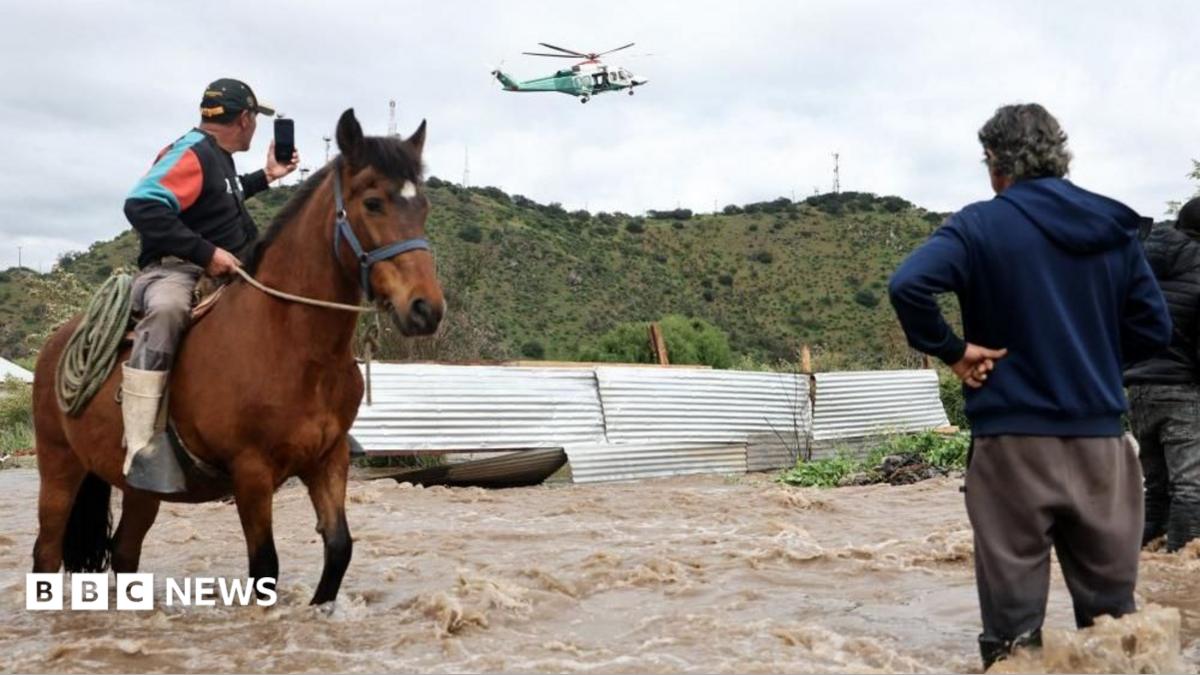
Central Chile has been plunged into a state of severe emergency following an unprecedented deluge that caused the Mapocho River to violently burst its banks. Unusually heavy and concentrated rainfall across the Andean foothills overwhelmed municipal drainage systems, inundating metropolitan sectors and vital transport arteries around Santiago. National emergency response authorities launched coordinated rescue operations, deploying military and civilian helicopters to airlift trapped residents from rooftops and stranded vehicles. The speed and intensity of the flash floods caught civil defense networks off guard, prompting immediate scrutiny of urban planning and climate adaptation protocols enacted by regional administrations.
Meteorological experts attribute the torrential downpours to an atmospheric river phenomenon, a recurring yet increasingly volatile weather pattern intensified by broader climatic shifts. As floodwaters surged through populated valleys, critical infrastructure including potable water treatment plants, electrical grids, and major highways suffered substantial damage. The government of Chile declared a state of catastrophe in the affected provinces, mobilizing federal resources to secure compromised bridges and establish temporary shelters for displaced populations. Diplomatic and international aid offers have begun trickling in from neighboring Latin American states, emphasizing the regional security implications of extreme weather events that routinely disrupt cross-border commerce and civilian safety.
Global Trade & Economic Ripples
Beyond the immediate humanitarian crisis, the severe weather in central Chile carries profound implications for global commodity markets. Chile remains the world's leading producer and exporter of copper, an indispensable industrial metal powering the global transition toward renewable energy, electric vehicles, and advanced electronics. Several major mining installations located along the Andean cordillera experienced critical logistical bottlenecks as access roads washed out, rail links were temporarily severed, and power supplies fluctuated.
International commodity exchanges reacted swiftly to the supply uncertainty, with copper futures ticking upward on the London Metal Exchange as traders priced in potential delivery delays. Shipping lanes linking Chilean ports to major consumer markets in Asia, Europe, and North America face mounting congestion warnings. Furthermore, agricultural exports including wine, fresh fruit, and forestry products originating from the fertile central valley have sustained heavy losses, threatening seasonal trade revenues and affecting regional currency valuations against the US dollar. Global supply chain managers are once again forced to reckon with the fragility of single-origin commodity dependencies in the face of escalating climate disruptions.
Related Intelligence: Middle East Escalation Threatens Global Supply Chains and Domestic Trade
International Reactions & Diplomatic Stances
Global financial institutions and multilateral development banks have expressed profound concern over the escalating frequency of extreme weather shocks in South America. The United Nations Office for Disaster Risk Reduction issued a statement commending the rapid mobilization of Chilean rescue teams while reiterating the urgent need for enhanced infrastructure investments across developing nations to withstand climate-induced hazards.
Market analysts from leading Wall Street institutions released diagnostic notes warning that prolonged logistical paralysis in Chile's mining sector could exacerbate inflationary pressures on raw materials worldwide. Trade representatives from key importing nations, including China and the United States, are closely monitoring inventory levels at key distribution hubs to assess whether reserve stockpiles will be sufficient to cushion against prolonged supply deficits. Meanwhile, regional trade blocs are renewing multilateral discussions aimed at establishing emergency commodity corridors and shared early-warning infrastructure networks to mitigate future climate-driven economic shocks.
Strategic Outlook & Future Scenarios
Looking ahead, the catastrophic flooding in central Chile is expected to catalyze rigorous policy reviews regarding national infrastructure resilience and industrial risk management. As international climate summits approach, Santiago is likely to spearhead diplomatic initiatives demanding increased climate adaptation financing for the Global South, emphasizing that extreme weather events now constitute a direct threat to global macroeconomic stability.
In the near term, domestic political discourse will undoubtedly center on accountability regarding flood defenses and urban zoning laws. For global markets, the trajectory of copper prices and regional supply chain normalization will depend heavily on how quickly mining conglomerates can repair damaged transport corridors and restore full operational capacity. Failure to fortify these strategic arteries could render global green technology supply chains increasingly vulnerable to the unpredictable fury of Andean weather patterns.
Join Our Official WhatsApp Channel
Receive live commodity alerts, policy changes, and commercial intelligence directly on WhatsApp.