
Middle East Escalation Threatens Global Supply Chains and Domestic Trade
Intensifying military conflicts in Lebanon threaten vital global trade routes, triggering severe economic anxiety across international markets and posing fresh inflationary risks for Pakistan's import-dependent economy.
The Core Development
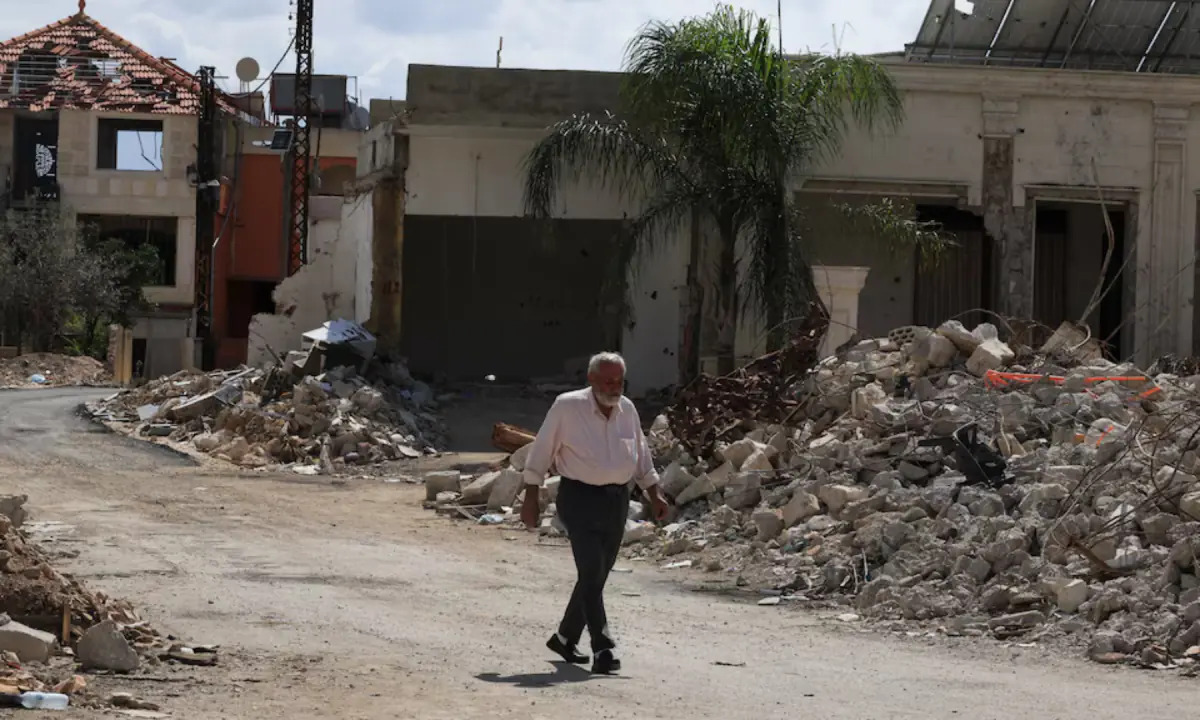
The geopolitical landscape in the Middle East has taken a severe downturn as military operations escalate deep into southern Lebanon. Recent ground incursions, marked by heavy artillery, aerial drone surveillance, and the systematic demolition of infrastructure by military bulldozers, have transformed once-stable civilian areas into active combat zones. Residents like 67-year-old Mariam al-Yaghi in border communities bear the direct brunt of these hostilities, facing destroyed homes and persistent displacement.
This localized warfare is no longer confined to regional skirmishes; it represents a systemic shock to regional security architecture. International monitors note that the prolonged nature of these incursions severely compromises the sovereignty of local administrations, paralyzes municipal services, and creates a vast humanitarian crisis that reverberates far beyond the immediate Mediterranean basin.
Commercial & Economic Implications
For Pakistan, an import-reliant economy highly sensitive to external shocks, the escalation in Lebanon carries profound commercial repercussions. The Middle East serves as a critical artery for global logistics, energy shipments, and expatriate remittances. Sustained instability threatens maritime choke points, potentially driving up international freight rates and global crude oil benchmarks.
Higher energy costs inevitably translate into elevated domestic fuel prices, cascading across retail distribution networks and wholesale markets. Consumer price inflation, already a persistent challenge for Kalyar Traders and domestic enterprises, could surge as transportation, warehousing, and manufacturing overheads mount. Furthermore, supply chain bottlenecks for imported raw materials threaten to compress industrial profit margins and dampen retail demand.
Related Intelligence: Bosnian Political Paralysis Threatens Regional Stability and Trade
Stakeholder Perspectives & Market Reactions
Leading trade bodies and business councils in Pakistan have expressed mounting concern over the widening Middle East conflict. Industry representatives point out that unpredictable shipping insurance premiums and delayed cargo deliveries are already complicating bilateral trade agreements and inventory management.
Economic analysts urge policymakers to reassess current fiscal buffers and explore alternative sourcing corridors to mitigate potential supply shocks. Legal and trade experts emphasize the necessity of enhanced risk-mitigation frameworks for domestic enterprises heavily exposed to international commodity markets.
Forward Outlook & Key Watchpoints
As the conflict enters a critical phase, stakeholders are closely monitoring several key indicators over the coming weeks. Primary watchpoints include potential disruptions to regional shipping lanes, OPEC+ energy production responses, and domestic monetary policy adjustments by the central bank.
Without a diplomatic resolution in the Middle East, businesses must prepare for prolonged market volatility. Kalyar Traders advises commercial stakeholders to maintain agile inventory strategies and secure forward contracts to hedge against impending inflationary pressures and currency fluctuations.
Join Our Official WhatsApp Channel
Receive live commodity alerts, policy changes, and commercial intelligence directly on WhatsApp.