
French Education Spending Sparks Wider Fiscal and Geopolitical Debates
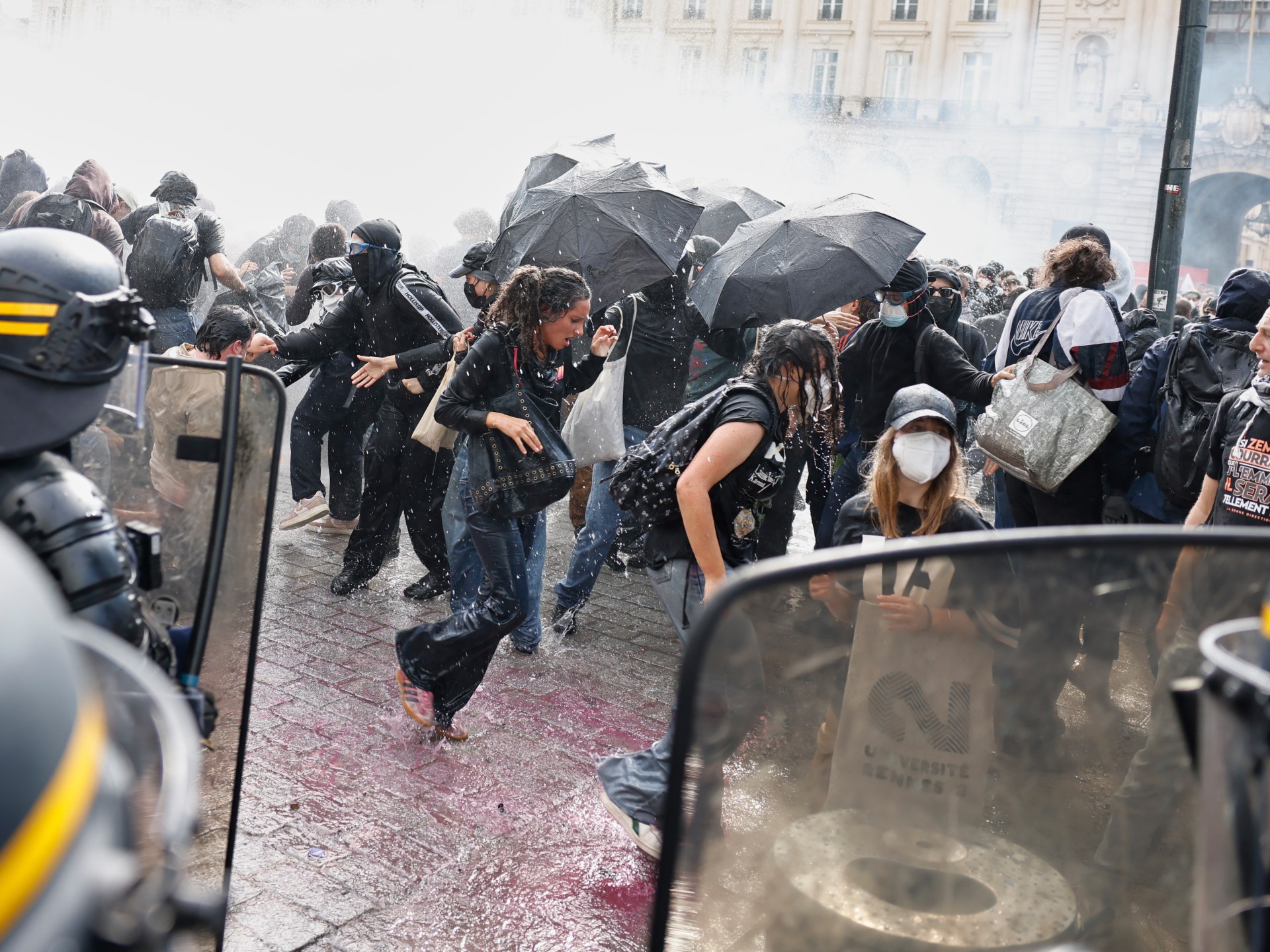
Nationwide student demonstrations across France have ignited a broader European debate over national budget priorities, forcing policymakers to weigh education funding against escalating defense and healthcare commitments.
Geopolitical & Core Developments
Recent nationwide student protests across France have catalyzed an intense national debate regarding public expenditure priorities, casting a spotlight on how the French state allocates resources among education, healthcare, and defense. As academic institutions face mounting disruptions and student unions mobilize in major urban centers, the administration of President Emmanuel Macron finds itself navigating a delicate political balancing act. At the heart of the unrest is a fundamental question of fiscal governance: how to sustain world-class public services in the face of persistent budgetary constraints and macroeconomic headwinds.
Historically, France has prided itself on a robust social contract centered on state-funded education and universal healthcare. However, shifting geopolitical realities in Europe—most notably the war in Ukraine and a broader push toward strategic autonomy—have forced continental governments to rapidly inflate defense budgets. This structural shift has squeezed non-defense ministries, with education stakeholders arguing that years of relative underinvestment have degraded infrastructure, lowered teacher-to-student ratios, and undermined long-term human capital development. The ongoing protests reflect deep-seated anxiety among the youth and academic workforce that public priorities are tilting away from social infrastructure toward hard security.
Global Trade & Economic Ripples
While domestic in origin, the budgetary friction in France carries significant economic ramifications for the broader eurozone and international markets. France represents the second-largest economy in the European Union, and its fiscal policy decisions are closely monitored by credit rating agencies, bond markets, and multilateral institutions such as the European Commission. Persistent domestic unrest and structural budget deficits complicate Paris's obligations under the EU's fiscal rules, which mandate stricter debt-to-GDP ratios and deficit ceilings.
In the global commodity and financial markets, sovereign debt yields for French government bonds (OATs) are sensitive to political instability and fiscal expansion pressures. Any forced concessions by the French government to appease student demonstrators or healthcare workers could widen the national deficit, influencing investor sentiment across European debt markets. Furthermore, prolonged domestic disruption impacts retail sectors, urban logistics, and commercial productivity, creating micro-shocks that ripple through European supply chains and currency valuations, particularly the euro against the US dollar.
Related Intelligence: Middle East Escalation Threatens Global Supply Chains and Domestic Trade
International Reactions & Diplomatic Stances
International observers, including economic analysts at major investment banks and officials within European Union institutions, are monitoring the French protests as a bellwether for social cohesion across Western democracies. Multilateral bodies have repeatedly emphasized the necessity for European nations to concurrently support defense modernization while safeguarding productivity-enhancing investments like education and research.
While foreign governments have largely refrained from direct commentary on France's domestic labor disputes, diplomatic circles in Brussels and Berlin recognize the delicate position of the French executive. Analysts note that European capitals are watching closely to see whether social unrest in France will inhibit its capacity to act as a decisive voice in European Union policy formulation, particularly concerning industrial strategy, green transition financing, and continental defense integration.
Strategic Outlook & Future Scenarios
Looking ahead, the trajectory of French fiscal policy will depend heavily on the government's ability to negotiate a sustainable compromise with student unions, labor organizations, and opposition parties in the National Assembly. Upcoming budgetary cycles will test the resilience of the administration's reform agenda, with potential scenarios ranging from targeted spending reallocations to heightened political polarization.
For international markets and strategic planners, the French situation serves as an instructive case study of the immense pressure modern states face when attempting to finance simultaneous transitions in defense, green energy, and social welfare. As European nations prepare for upcoming electoral cycles and regional summits, the balance between fiscal discipline and public sector investment will remain a central point of contention, shaping the continent's economic resilience and geopolitical standing for years to come.
Join Our Official WhatsApp Channel
Receive live commodity alerts, policy changes, and commercial intelligence directly on WhatsApp.