
Nigerian Military Aircraft Crash Sparks Security Review and Regional Anxiety
Nigeria launched a massive rescue operation after a military aircraft carrying 32 people crashed in Ondo state, raising urgent questions over regional security logistics.
Geopolitical & Core Developments
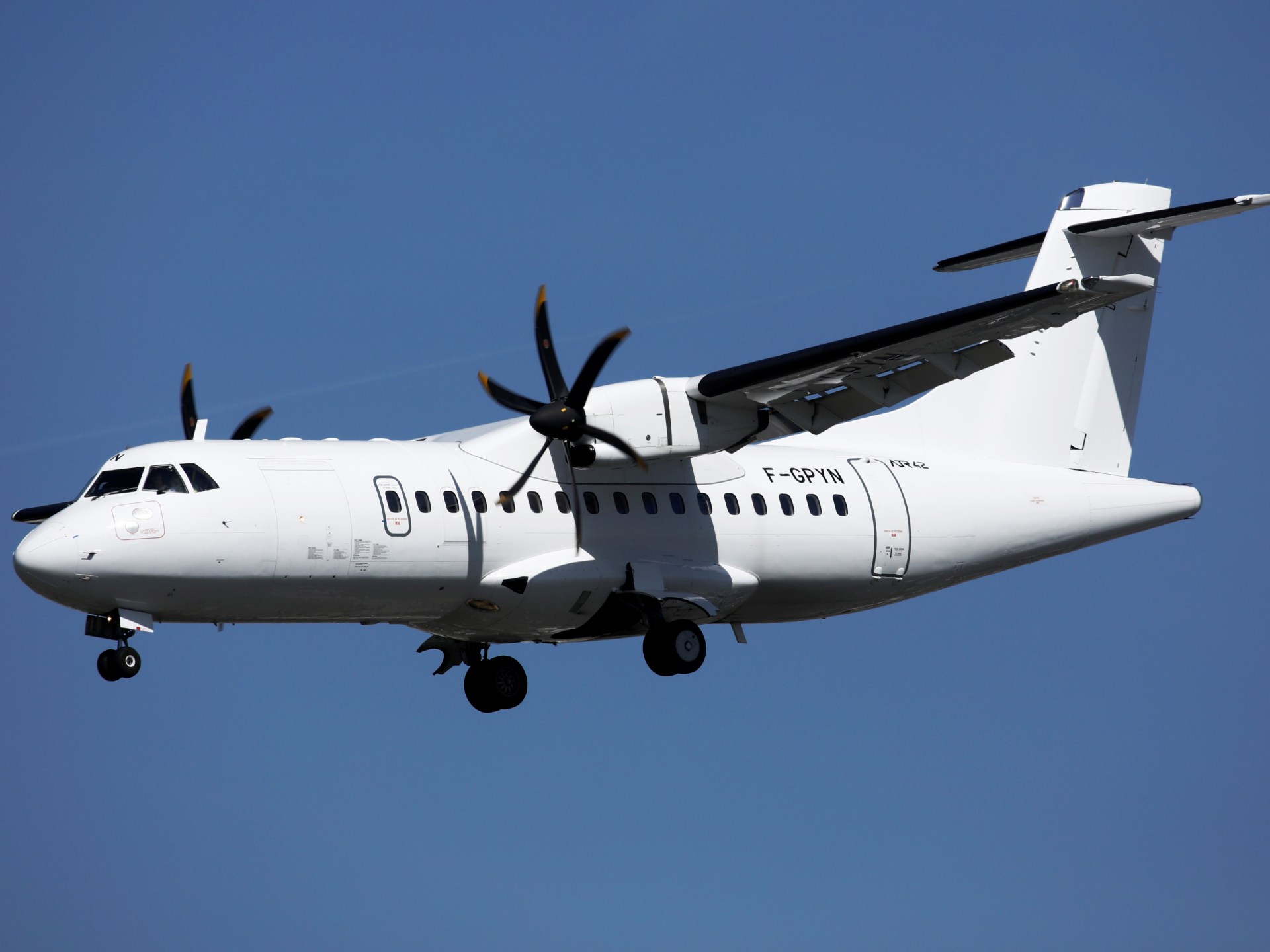
In the wake of a devastating military aircraft crash in Nigeria's Ondo state carrying 32 individuals, federal authorities have mobilized a comprehensive search and rescue operation involving specialized units, air surveillance, and local ground responders. The incident, which occurred in a rugged terrain characteristic of Nigeria's southwestern region, immediately drew the attention of regional security analysts and defense ministries across West Africa. The aircraft, part of the nation's tactical transport fleet, was engaged in routine troop movement and logistical support amid heightened nationwide security deployments.
Nigeria remains a linchpin in West African stability, combating persistent insurgencies in the northeast, banditry in the northwest, and sectarian tensions in the middle belt. The loss of a major transport asset and the potential casualties among military personnel represent a severe logistical setback for the Nigerian Armed Forces. Defense headquarters in Abuja have initiated a high-level board of inquiry to determine whether mechanical failure, adverse weather conditions, or external factors contributed to the disaster. The timeline of the flight, its last known telemetry data, and maintenance logs are currently under strict review by military investigators.
[Global Trade](/news/black-sea-grain-strike-escalates-maritime-risks-global-trade) & Economic Ripples
While the crash is primarily an internal security and defense tragedy for Nigeria, its implications reverberate through global commodity markets, particularly concerning West African energy corridors and foreign direct investment in critical infrastructure. Nigeria is Africa's largest economy and a major exporter of crude oil via the Niger Delta. Any disruption or perceived vulnerability in national command, control, and internal stability tends to introduce risk premiums into international oil markets and shipping insurance rates within the Gulf of Guinea.
International logistics firms and commodity traders operating in the region rely heavily on secure transport routes and predictable regulatory environments. The reallocation of military resources toward rescue operations and subsequent internal safety audits of the national aviation and defense fleet may temporarily constrain regional logistics corridors. Furthermore, foreign investors monitoring Nigeria's macroeconomic stabilization programs and privatization initiatives evaluate sovereign risk based on the government's ability to maintain institutional resilience and secure critical transport networks against unexpected shocks.
Related Intelligence: Pakistan Targets Afghan Terror at Moscow Security Summit
International Reactions & Diplomatic Stances
International partners, including neighboring Economic Community of West African States (ECOWAS) member states, traditional Western allies, and multilateral institutions, have expressed profound solidarity with the Nigerian government and the families of those onboard. Diplomatic missions in Abuja have offered specialized technical assistance for the ongoing search and rescue efforts, emphasizing the critical importance of regional stability.
Market analysts and geopolitical risk consultancies have noted that the incident highlights the broader infrastructural challenges facing African militaries as they shoulder extensive domestic security burdens. Observers from the United Nations Office for West Africa and the Sahel (UNOWAS) reiterated the necessity of continuous modernization and safety enhancements for state-owned transport and logistics assets deployed in complex operational environments.
Strategic Outlook & Future Scenarios
As the rescue operation transitions into a formal forensic investigation, the Nigerian government faces critical decisions regarding its defense procurement and maintenance protocols. The tragedy is expected to accelerate legislative debates in the National Assembly concerning defense budget allocations, fleet upgrades, and greater transparency in military maintenance contracts.
In the medium term, the incident may prompt a strategic reassessment of how West African states manage logistical lifelines under severe operational strain. Upcoming regional security summits will likely feature intensified discussions on shared intelligence, joint maintenance frameworks, and technical cooperation among African militaries to prevent similar operational catastrophes. For international markets, the primary focus remains on Nigeria's capacity to absorb this shock without derailing broader economic reforms or compromising regional security architectures.
Join Our Official WhatsApp Channel
Receive live commodity alerts, policy changes, and commercial intelligence directly on WhatsApp.