
Congo River Disaster Exposes Central African Transport Vulnerabilities
A fatal nocturnal boat collision on the Congo River in the Democratic Republic of Congo has left at least 30 dead and dozens missing, highlighting critical infrastructure and regulatory vulnerabilities in Central African transport corridors.
Geopolitical & Core Developments
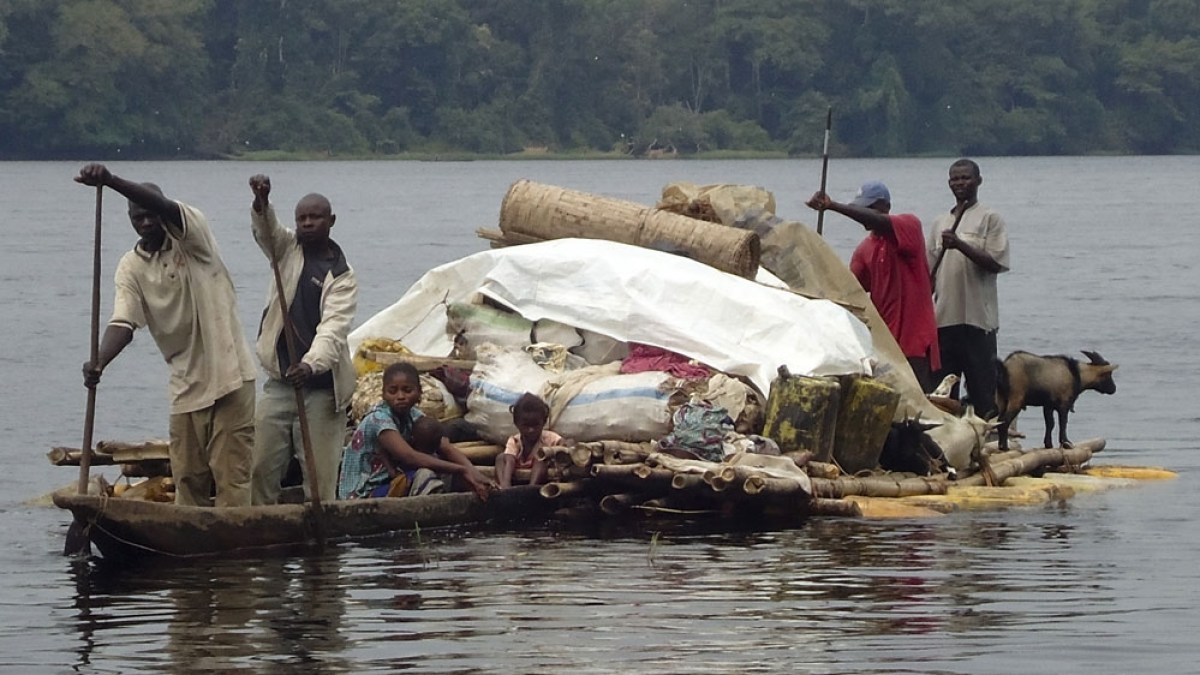
A catastrophic maritime collision on the Congo River within the Democratic Republic of Congo's (DRC) Equateur province has claimed the lives of at least 30 individuals, with dozens more unaccounted for. The disaster occurred during night navigation when two heavily laden commercial vessels collided under poor visibility conditions. The DRC's vast river network serves as the primary artery for domestic movement and commerce in a nation where paved road infrastructure remains severely underdeveloped.
Night navigation on the Congo River is notoriously hazardous due to the absence of reliable navigational aids, unlit channels, and widespread overloading of commercial craft. Local administrative authorities and emergency response units have mobilized search and recovery operations, though rescue efforts are severely hampered by remote geography, swift currents, and limited institutional resources. This tragedy is not an isolated incident; rather, it reflects systemic failures in maritime safety enforcement by provincial and national regulatory bodies. The recurrence of such disasters places intense domestic pressure on Kinshasa to overhaul transportation oversight, enforce strict passenger manifests, and penalize vessel operators who flout basic safety protocols during high-risk nocturnal voyages.
Global Trade & Economic Ripples
While the immediate catastrophe is a localized humanitarian emergency, the disruption along the Congo River corridor carries significant implications for regional supply chains and domestic commodity distribution. The DRC is a critical global supplier of strategic minerals, timber, and agricultural goods. Key logistical arteries like the Congo River facilitate the movement of essential commodities from interior production zones to major urban markets and export hubs.
Frequent disruptions in river transport amplify logistics costs, introduce severe supply chain bottlenecks, and inflate consumer prices for imported goods and domestic foodstuffs across Central Africa. International shipping and logistics firms operating within the sub-Saharan corridor view these persistent infrastructural deficiencies as major operational risks. Furthermore, the lack of modernized river transport infrastructure discourages foreign direct investment in secondary manufacturing and agricultural processing sectors, constraining the broader economic integration of the region into global trade frameworks.
Related Intelligence: Pentagon Halts Anthropic AI Use Following Supply Chain Risk Designation
International Reactions & Diplomatic Stances
Regional bodies and international humanitarian organizations have expressed deep concern over the mounting death toll and the persistent safety crisis plaguing the DRC's waterways. Multilateral agencies, including specialized offices of the United Nations, have reiterated calls for enhanced technical assistance and capacity-building programs to support the Congolese government in modernizing inland water transport safety.
Bilateral partners and diplomatic missions in Kinshasa have extended condolences to the affected families while emphasizing the urgent requirement for structural reforms in public administration and transport management. Economic analysts tracking Central African markets note that international donors frequently condition infrastructure aid on verifiable governance reforms and transparent regulatory enforcement. Consequently, this disaster is likely to renew diplomatic engagement regarding the allocation of international development funds toward sustainable infrastructure projects, safety training for maritime personnel, and the deployment of modern river-tracking technology.
Strategic Outlook & Future Scenarios
Looking ahead, the trajectory of river transport safety in the DRC will depend heavily on whether Kinshasa can leverage international partnerships to enact comprehensive regulatory overhauls. Upcoming regional transport summits and bilateral infrastructure dialogues will likely prioritize inland waterway safety as a critical component of regional stability and economic development.
Without substantial capital investment in modern navigation systems, strict enforcement of load limits, and the phasing out of unsafe wooden vessels, Central Africa will remain vulnerable to recurring transit catastrophes. For international investors and trade monitors, the situation serves as a stark indicator of the infrastructural hurdles facing the Great Lakes region. Addressing these structural vulnerabilities is essential not only for preventing future loss of life but also for unlocking the vast economic potential of Central Africa's internal trade corridors.
Join Our Official WhatsApp Channel
Receive live commodity alerts, policy changes, and commercial intelligence directly on WhatsApp.