
Diplomatic Tensions Spill Over as Ireland Faces Israel in Nations League
A high-stakes UEFA Nations League match between Ireland and Israel transformed into a diplomatic flashpoint, highlighting how international geopolitical conflicts increasingly manifest in professional sports arenas.
Geopolitical & Core Developments
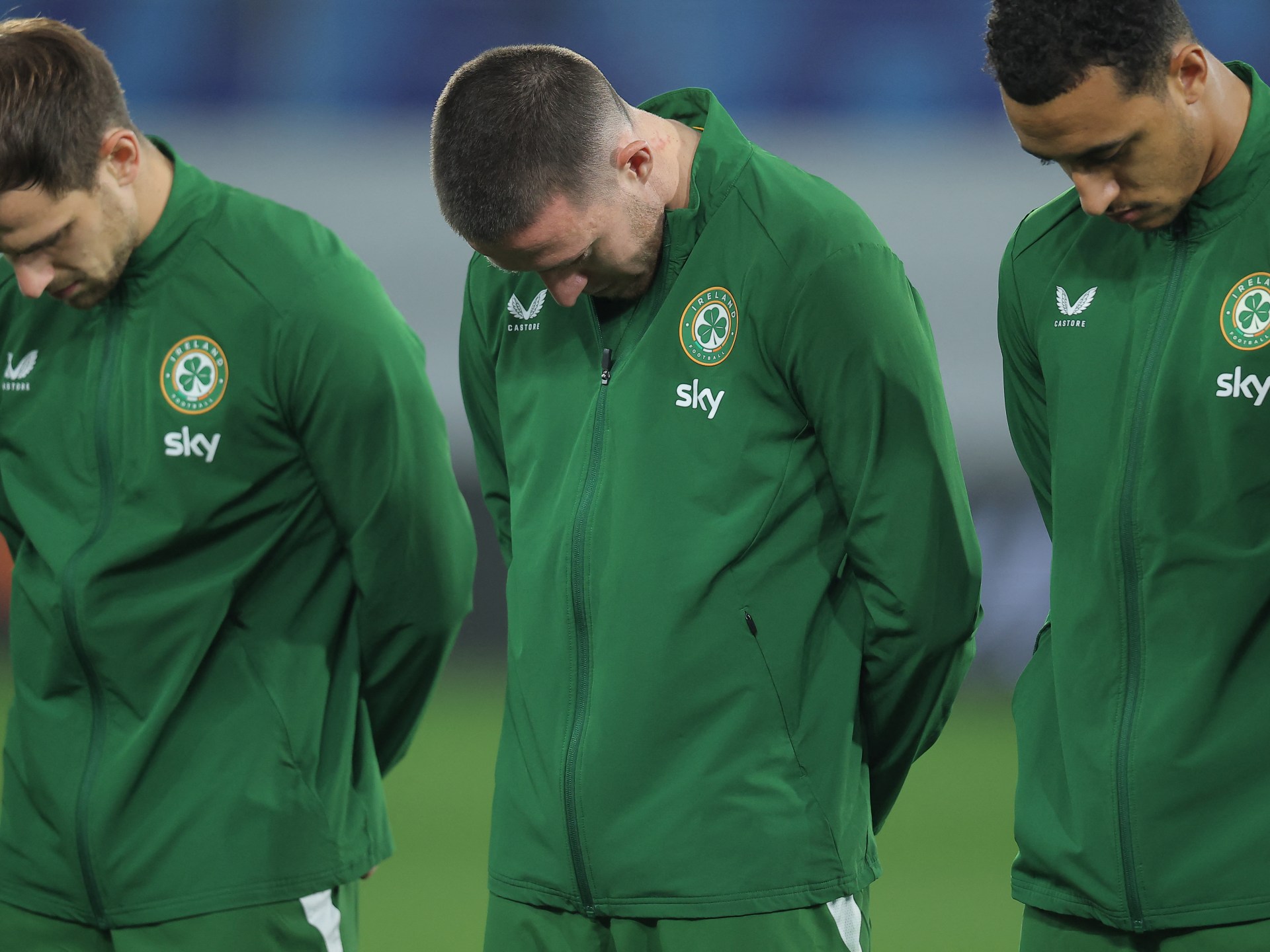
The UEFA Nations League fixture between the national teams of Ireland and Israel transcended standard athletic competition, evolving into a high-visibility diplomatic flashpoint. Set against the backdrop of an increasingly polarized Middle East, the match was preceded by months of intense political debate, public demonstrations, and calls from various activist groups for boycotts or venue relocations. On the pitch, the underlying political hostility manifested in palpable tension among players and coaching staff. Spitting allegations, refusals to engage in traditional pre-match handshakes, and visibly strained protocols dominated the evening, capturing the attention of international media and government officials alike.
This confrontation is not isolated; it represents a growing trend where international sporting events serve as proxies for state-level grievances. For Dublin and Jerusalem, the match occurred during a period of already delicate bilateral relations, characterized by sharp disagreements over Middle Eastern policy, humanitarian concerns, and diplomatic recognition. The actions on the turf quickly filtered back to political capitals, prompting statements from lawmakers and reigniting debates regarding the intersection of sports, human rights, and state foreign policy.
[Global Trade](/news/black-sea-grain-strike-escalates-maritime-risks-global-trade) & Economic Ripples
While sporting fixtures rarely exert direct pressure on heavy industrial output or core commodity futures, high-profile geopolitical clashes carrying cultural and diplomatic weight can generate notable indirect economic ripples. In an interconnected global economy, consumer sentiment, corporate sponsorships, and brand associations are increasingly sensitive to sociopolitical friction. Multinational corporations sponsoring major European football confederations find themselves navigating a complex landscape where neutrality is difficult to maintain.
Furthermore, heightened diplomatic friction between European states and Middle Eastern actors can subtly influence investor confidence, corporate mobility, and regional trade partnerships. While direct impacts on energy supplies, maritime shipping lanes, or agricultural commodity pricing remain limited in this specific athletic context, the broader climate of geopolitical instability contributes to an atmosphere of economic caution. Investors monitor such cultural flashpoints as leading indicators of underlying diplomatic health, which can ultimately dictate the flow of foreign direct investment and commercial agreements between the European Union and Middle Eastern economies.
Related Intelligence: Nigerian Military Aircraft Crash Sparks Security Review and Regional Anxiety
International Reactions & Diplomatic Stances
The events surrounding the match drew immediate responses from international bodies, governing athletic organizations, and civil society groups. UEFA officials faced intense scrutiny over security arrangements and the enforcement of codes of conduct regarding political neutrality on the pitch. Representatives from various human rights organizations utilized the event to spotlight broader geopolitical grievances, while sports administrators defended the continuity of international competition as a vital, albeit fragile, bridge between nations.
Government ministries in both Ireland and Israel issued measured diplomatic responses, reflecting the delicate nature of their bilateral ties. International analysts noted that the incident underscores the growing challenge faced by multilateral organizations in maintaining the traditional separation of sports and politics. As global polarization intensifies, governing bodies are increasingly forced to implement stricter protocols to manage player conduct and prevent athletic arenas from becoming permanent stages for ideological warfare.
Strategic Outlook & Future Scenarios
Looking ahead, the fallout from this Nations League encounter is expected to reverberate through upcoming international sporting fixtures and diplomatic summits. Sports confederations are actively reviewing their security and disciplinary frameworks to preempt similar disruptions in future tournaments. The likelihood of intensified protests, enhanced security protocols, and strict behavioral guidelines for athletes traveling to high-risk geopolitical fixtures remains exceptionally high.
For international relations experts, the match serves as a cautionary tale regarding the vulnerability of global platforms to state-level conflicts. As diplomatic channels remain strained across multiple geopolitical theaters, the intersection of athletics and international politics will likely remain a volatile frontier, requiring astute management by global leaders, corporate sponsors, and sports executives alike.
Join Our Official WhatsApp Channel
Receive live commodity alerts, policy changes, and commercial intelligence directly on WhatsApp.