
Nigeria Confirms Bundibugyo Ebola Case Traced to DR Congo Strain
Health officials confirm Nigeria's first Ebola case matches the deadly Bundibugyo strain from the Democratic Republic of the Congo, triggering heightened biosecurity protocols and regional trade vigilance.
Geopolitical & Core Developments
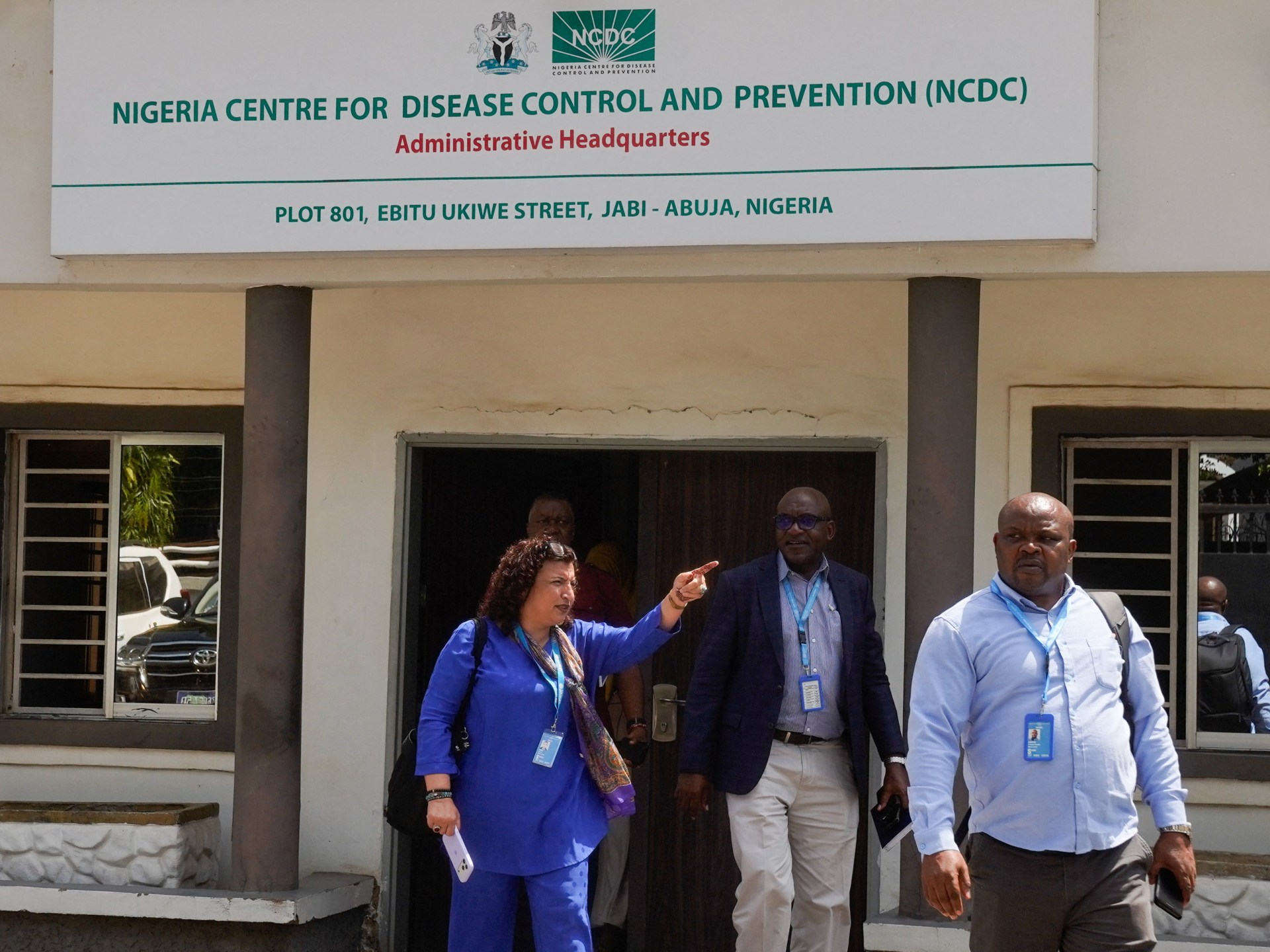
Public health authorities and multilateral agencies have confirmed that Nigeria's first documented Ebola case in the current cycle matches the virulent Bundibugyo strain, directly linking the infection to an ongoing crisis in the Democratic Republic of the Congo (DRC). Genomic sequencing conducted by regional reference laboratories identified an epidemiological connection to the Central African epicenter, marking the first documented transmission of this specific variant into West Africa. The outbreak in the DRC has been characterized as one of the deadliest on record, challenging conventional containment playbooks due to its geographic dispersal and clinical complexity.
The development marks an inflection point in transboundary epidemiological security. Abuja has immediately stood up an emergency operations center under the Nigeria Centre for Disease Control (NCDC), working alongside the World Health Organization (WHO) and the Africa Centres for Disease Control and Prevention (Africa CDC). Contact tracing initiatives have expanded rapidly across transit hubs in Lagos and Abuja, with border monitoring intensified at major seaports and entry points connecting Central and West Africa. The cross-regional jump underscores severe vulnerabilities in porous national boundaries and the systemic difficulties in monitoring overland migration corridors between the Congo Basin and the Gulf of Guinea.
Global Trade & Economic Ripples
The cross-border spread of a lethal pathogen into West Africa's primary economic engine introduces immediate friction into commercial and commodity logistics. Nigeria serves as a crucial nexus for regional energy exports, maritime freight, and cross-border consumer goods trade. Heightened quarantine protocols at the ports of Lagos, Port Harcourt, and Calabar risk lengthening vessel turnaround times, driving up demurrage costs, and introducing operational premiums on Gulf of Guinea shipping.
For international commodity markets, the initial disruption registers through heightened logistics risk rather than immediate production halts. However, petroleum service firms operating in the Niger Delta and mining enterprises with supply links running through Central Africa have begun reviewing contingency staffing protocols. International airlines operating transatlantic and intra-African routes face the prospect of renewed health-screening mandates, raising compliance expenditures and dampening business travel volumes. Furthermore, local sovereign bond spreads and regional currency values face localized volatility as market participants price in potential fiscal diversion toward emergency public health measures.
Related Intelligence: Nigeria Identifies Travel History in Ebola Case Amid Regional Border Surveillance
International Reactions & Diplomatic Stances
The World Health Organization convened an extraordinary technical briefing to evaluate the regional risk level, urging member states to prioritize rapid diagnosis and contact isolation without imposing indiscriminate trade or travel embargoes that could cripple regional livelihoods. Multilateral health leadership emphasized that the Bundibugyo strain presents distinct diagnostic hurdles compared to the more prevalent Zaire strain, requiring tailored therapeutic responses and accelerated distribution of specialized diagnostic reagents.
Diplomatic counterparts across the Economic Community of West African States (ECOWAS) and the Central African Economic and Monetary Community (CEMAC) issued joint commitments to enhance cross-border intelligence-sharing and synchronize health declarations at bilateral checkpoints. Meanwhile, Western bilateral partners, including the United States Agency for International Development (USAID) and European Union humanitarian mechanisms, announced emergency deployment of technical missions and personal protective gear, reiterating the necessity of maintaining operational transparency to prevent widespread panic across commercial freight sectors.
Strategic Outlook & Future Scenarios
The trajectory of the contagion will depend heavily on the velocity and rigor of the initial ring-containment phase across Nigerian urban centers. Should secondary transmission chains remain suppressed, the economic fallout will likely remain confined to targeted administrative overheads and transient freight inspections. However, if uncontained local transmission emerges in dense metropolitan commercial districts, governments throughout the continent may revert to aggressive border restrictions, disrupting intra-African trade corridors codified under the African Continental Free Trade Area (AfCFTA).
Key upcoming touchpoints include the biweekly epidemiological reviews by the Africa CDC and technical consultations with international clinical consortia regarding investigational vaccines. Multilateral lenders, including the World Bank and the International Monetary Fund, are monitoring regional public finances closely, evaluating potential emergency financing facilities should containment efforts necessitate broader fiscal reallocations. Over the medium term, this outbreak will accelerate demands for an integrated African pandemic response framework to protect critical trade lanes from systemic biosafety disruptions.
Join Our Official WhatsApp Channel
Receive live commodity alerts, policy changes, and commercial intelligence directly on WhatsApp.