
New York City Subsurface Incursions Spark National Security and Infrastructure Review
The clandestine emergence of individuals from New York City manholes has prompted federal security reviews and international scrutiny over urban critical infrastructure vulnerabilities.
Geopolitical & Core Developments
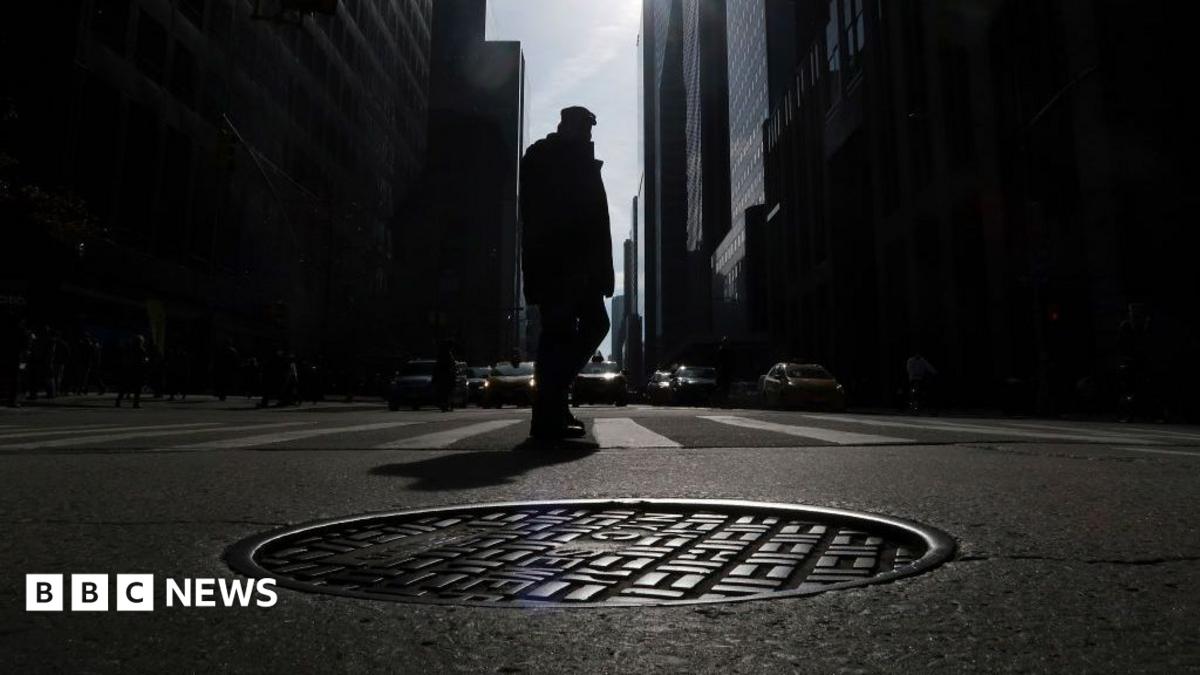
Recent nocturnal security breaches across New York City have brought the vulnerability of subterranean municipal infrastructure into sharp focus for federal law enforcement and international intelligence monitors. Over the past several weeks, municipal surveillance systems and eyewitness reports documented a series of unexplained incidents wherein individuals surfaced mysteriously from deep within the city's extensive sewer and storm-drain networks during late-night hours. Following an intensive multi-agency investigation coordinated by municipal police, federal homeland security elements, and transit authorities, two suspects have been apprehended.
The timeline of these incursions suggests a deliberate, highly coordinated effort to map and exploit the labyrinthine utility corridors that run beneath the world's leading financial capital. Unlike conventional urban trespassing, these maneuvers involved deep subterranean navigation, bypassing secure perimeters, and emerging in high-density commercial and transit hubs. State actors and domestic security agencies are currently treating the incidents as a profound breach of critical infrastructure security, prompting emergency reviews of access protocols for manholes, steam tunnels, and drainage systems.
[Global Trade](/news/pm-shehbaz-demands-free-navigation-ungh-hormuz-bab-al-mandab) & Economic Ripples
While ostensibly a municipal security matter, the New York subterranean incursions have immediate ramifications for international commerce, financial market continuity, and global supply chain logistics. New York City serves as the central node for North American capital markets, transnational banking operations, and critical communications backbones. Any credible threat to the physical integrity of Manhattan's subterranean infrastructure introduces systemic risk premiums for institutional investors, insurance underwriters, and multinational corporations operating within the metropolitan center.
Furthermore, global commodity markets—particularly energy and precious metals trading desks centered in lower Manhattan—rely on uninterrupted power grids, telecommunications integrity, and physical security. The revelation that critical urban underbelly networks remain susceptible to unauthorized human penetration has accelerated capital expenditure proposals for advanced sensor arrays, biometric access controls, and automated intrusion-detection systems across major Western financial districts. Shipping and logistics operators are likewise monitoring the situation, as disruptions to metropolitan transit corridors can cascade directly into regional distribution bottlenecks and international cargo flows.
Related Intelligence: FBI Data Breach Triggers Internal Turmoil and Global Security Concerns
International Reactions & Diplomatic Stances
Global capitals and multilateral organizations have closely monitored the unfolding developments in New York, viewing the incident through the lens of modern asymmetric warfare and urban counter-terrorism preparedness. European counter-terrorism units and international intelligence sharing networks have requested briefings from United States federal authorities to determine whether similar subterranean infiltration vulnerabilities exist in London, Paris, Frankfurt, and Tokyo.
Diplomatic corps stationed at the United Nations have expressed concern over the robustness of host-nation infrastructure security, emphasizing that global financial stability is inextricably linked to the physical resilience of host cities. Market analysts from major international financial institutions have issued advisory notes highlighting the potential for increased regulatory compliance costs and heightened security posture across global Tier-1 cities, predicting that municipal authorities worldwide will accelerate infrastructurehardening initiatives throughout the upcoming fiscal cycles.
Strategic Outlook & Future Scenarios
As federal prosecutors prepare formal indictments against the detained individuals, the broader strategic trajectory points toward a permanent tightening of urban security architectures. Upcoming municipal and federal infrastructure summits will likely prioritize comprehensive digital mapping, acoustic monitoring, and physical lockdown protocols for all subterranean access points in major global metropolitan areas.
Geopolitical risk consultants anticipate that these incidents will serve as a watershed moment for urban defense strategy, shifting focus from surface-level surveillance to deep-subsurface integrity. Future regulatory frameworks will likely mandate stringent credentialing for utility workers and contractors, alongside significant capital allocations to safeguard foundational networks against both criminal exploitation and state-sponsored reconnaissance operations.
Join Our Official WhatsApp Channel
Receive live commodity alerts, policy changes, and commercial intelligence directly on WhatsApp.