
New Delhi Imposes Security Clampdown Amid Youth-Led Opposition Protests
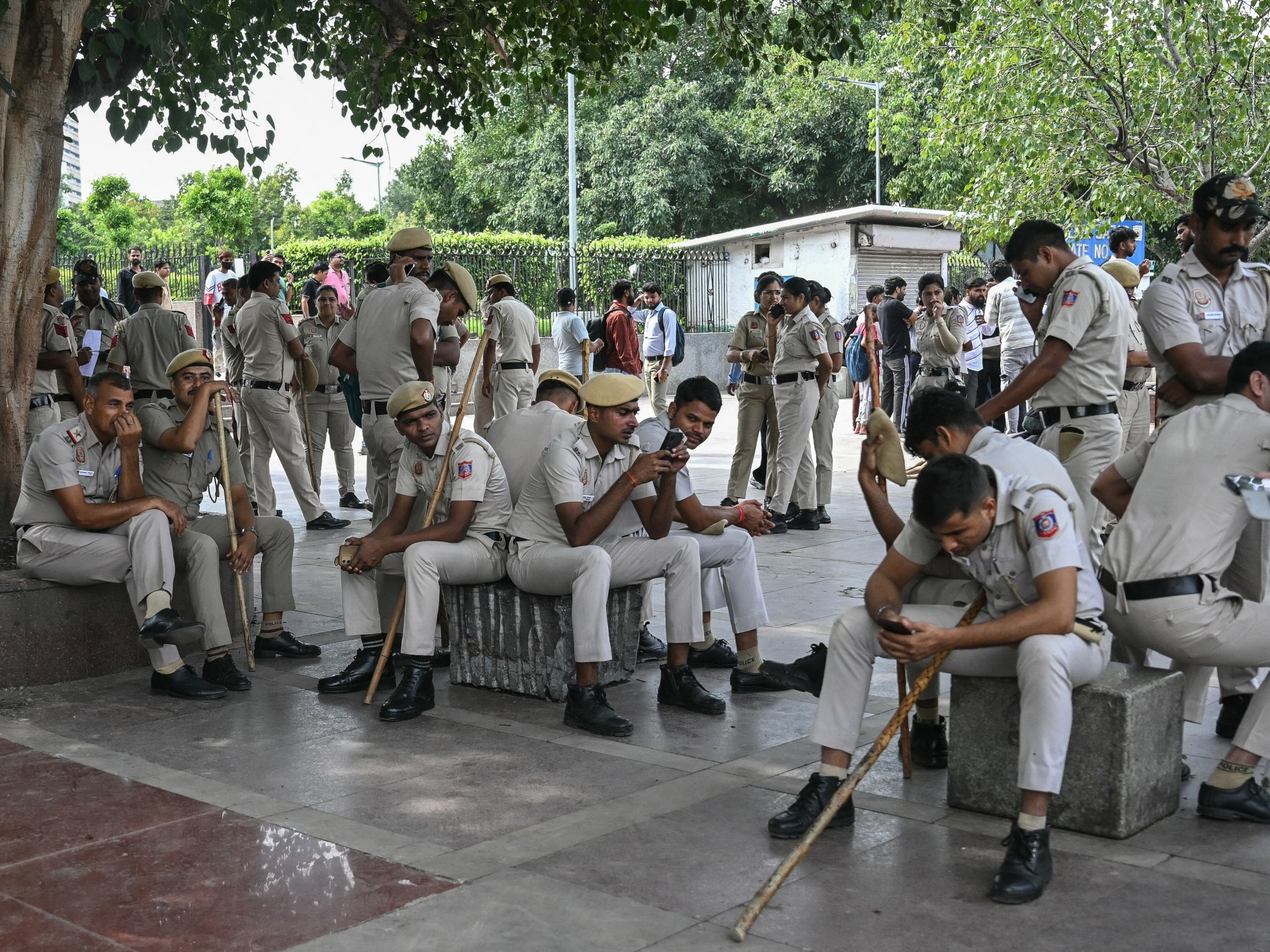
Indian authorities deployed extensive security forces in New Delhi following calls for protests by opposition activists, highlighting rising domestic political friction and localized commercial disruption in the capital.
Geopolitical & Core Developments
Security forces across India's National Capital Region intensified physical cordons, deployed barricades, and established vehicular checkpoints in response to planned demonstrations organized by youth-led political groups, including the Cockroach Janta Party. The standoff developed following the detention and legal pursuit of several grassroots political organizers and civil rights figures, which opposition leaders argue represents an aggressive curtailment of constitutional assembly rights ahead of key regional electoral cycles.
State security apparatuses enacted preventive measures, including traffic diversions along critical arterial corridors connecting Haryana and Uttar Pradesh to central New Delhi. The Union Home Ministry maintained that preventive policing remains necessary to prevent disruptions to essential services and preserve public order within institutional quarters. However, representatives of civil society and domestic political formations contend that broad-brush administrative restrictions reflect an entrenched political baseline seeking to curb emergent political dissidence. The confrontations underscore enduring polarization within the world's most populous democracy as institutional mechanisms balance national security mandates against democratic dissent.
Global Trade & Economic Ripples
While the localized political unrest has not interrupted nationwide infrastructure or primary maritime export operations, disruptions to logistics in the National Capital Region carry tangible friction costs for domestic and cross-border commercial operators. The National Capital Region functions as a critical junction for inland container depots, retail warehousing, and light manufacturing hubs. Prolonged vehicular halts along interstate expressways introduce minor supply chain bottlenecks, elevating localized freight haulage premiums and delaying freight movements toward major ports like Jawaharlal Nehru Port Trust (JNPT) and Mundra.
From a financial perspective, foreign portfolio investors (FPIs) closely monitor political stability and policy continuity within emerging markets. Recurrent security actions and civil tensions inject marginal risk premiums into domestic capital markets. Although the Indian Rupee (INR) remains buffered by significant foreign exchange reserves held by the Reserve Bank of India, sustained domestic governance flashpoints can foster temporary foreign institutional outflows from equities into sovereign debt instruments, affecting equity benchmark performance and currency volatility.
Related Intelligence: Cyprus Court Ruling Highlights Cross-Border Legal Liabilities in Tourism Sector
International Reactions & Diplomatic Stances
Diplomatic observers and international governance institutions continue to track developments concerning civil liberties, freedom of assembly, and judicial processes in India. The Office of the United Nations High Commissioner for Human Rights (OHCHR) has consistently urged member nations to maintain a proportionate balance between public order enforcement and fundamental freedoms of expression and assembly.
Western partners, including the United States and European Union members, typically frame their bilateral relations with India through the prism of strategic alignment, supply chain friend-shoring, and counterweights to regional hegemony in the Indo-Pacific. Consequently, public diplomatic censure remains rare, with foreign chanceries primarily treating these developments as sovereign internal legal matters. Nonetheless, global human rights monitors and international non-governmental organizations continue to issue assessments warning that legal pressures on political activists could dampen broader institutional perceptions among international stakeholders.
Strategic Outlook & Future Scenarios
Moving forward, the primary trajectory centers on how effectively state institutions and political organizations handle dialogue and legal resolutions in appellate courts. Should authorities maintain broad-scale security clampdowns without resolving underlying political grievances, public demonstrations could expand beyond the capital into major industrial and student centers, compounding domestic economic disruptions.
In the medium term, governance stability remains an essential pillar for India as it courts foreign direct investment (FDI) aimed at establishing the country as an alternative global manufacturing hub. Market analysts suggest that predictable administrative actions and transparent civil processes will be essential to reassure global multinational enterprises of long-term operational continuity, ensuring localized civil disturbances do not expand into structural economic vulnerabilities.
Join Our Official WhatsApp Channel
Receive live commodity alerts, policy changes, and commercial intelligence directly on WhatsApp.