
Centre Conditions Lifting KP Emergency Measures on PTI Meeting Constitutional Mandate
The federal government has tied the relaxation of administrative and security curbs in Khyber Pakhtunkhwa to the provincial administration fulfilling its constitutional obligations, intensifying political friction and market uncertainty.
The Core Development
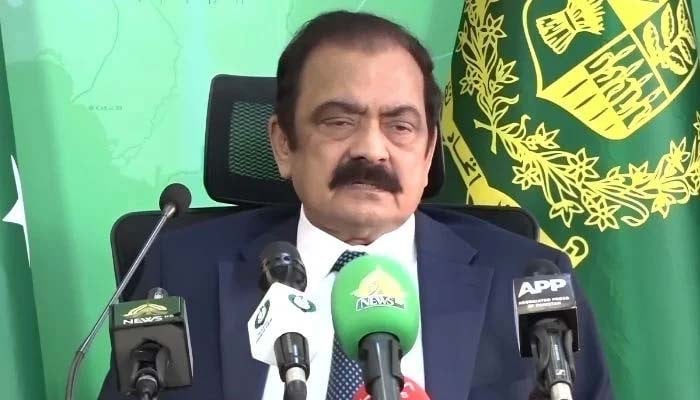
Tensions between Pakistan's federal administration and the provincial government of Khyber Pakhtunkhwa (KP) escalated further as an aide to Prime Minister Shehbaz Sharif formally conditioned the withdrawal of stringent administrative measures on the Pakistan Tehreek-e-Insaf (PTI)-led provincial authority upholding its core constitutional duties. The federal stance follows weeks of heightened friction involving jurisdictional disputes, governance friction, and contentious public assembly across provincial boundaries.
Speaking on the governance impasse, federal officials asserted that extraordinary security postures, administrative scrutiny, and regulatory checkpoints within and around the province would persist until provincial authorities demonstrate verifiable alignment with federal statutes and the maintenance of inter-provincial harmony. The Prime Minister's aide underlined that constitutional governance cannot function selectively, citing concerns over the deployment of state resources in political mobilisations. Conversely, provincial leadership maintains that the Centre's measures represent arbitrary overreach, deliberately impeding provincial autonomy, curtailing civil governance, and stifling democratic opposition.
Commercial & Economic Implications
For enterprise operators, wholesale merchants, and supply chain managers, the protracted administrative confrontation introduces severe logistical vulnerabilities. Khyber Pakhtunkhwa serves as the primary overland artery for domestic freight distribution between northern agricultural hubs, central manufacturing centers in Punjab, and critical transit corridors leading toward the Pak-Afghan border at Torkham. Heightened administrative monitoring, impromptu transport checkpoints, and sporadic highway blockages have increased turnaround times for heavy commercial fleets.
Wholesale market distributors report a compounding impact on transport freight rates, which have risen by an estimated 7 to 12 percent on key trunk roads connecting Peshawar to Rawalpindi and Lahore. For perishable staples, including vegetables, fruits, and dairy products, extended transit times lead to elevated post-harvest spoilage and localized price spikes within urban retail markets. Furthermore, business entities operating on thin margins face working-capital strain, as localized banking operations and transit logistics endure recurring operational unpredictability.
Related Intelligence: Coalition Friction Emerges Over Khyber Pakhtunkhwa Governorship Allocation
Stakeholder Perspectives & Market Reactions
The prolonged standoff has drawn sharp criticism from commercial bodies and legal practitioners. The Sarhad Chamber of Commerce and Industry (SCCI) alongside regional wholesale associations have issued appeals to both federal and provincial leadership, demanding that institutional disputes not be allowed to paralyze trade infrastructure. Business leaders emphasize that domestic industrial performance is already constrained by high energy tariffs, aggressive monetary policy, and compressed consumer demand, rendering additional politically driven logistical friction intolerable.
Constitutional scholars observe that invoking federal interventions or sustained emergency-level security deployments poses structural risks to fiscal federalism under the 18th Constitutional Amendment. Legal experts note that absent clear operational demarcation between internal security protocols and political policing, public confidence in statutory institutions will degrade further. Meanwhile, financial analysts warn that regional commercial sentiment is deteriorating, delaying private capital deployment into warehousing, industrial zones, and cross-border commercial ventures.
Forward Outlook & Key Watchpoints
The immediate trajectory of the crisis hinges on upcoming judicial reviews, institutional engagements, and high-level parliamentary deliberations. Observers are closely tracking whether the Council of Common Interests (CCI) or alternative inter-governmental conduits will be activated to de-escalate fiscal and administrative frictions before regular supply routes suffer deeper interruptions.
Key watchpoints over the coming weeks include freight freight metrics along the Grand Trunk Road and motorways, regulatory announcements regarding transit customs clearance at northwestern dry ports, and federal fiscal transfers to KP under the National Finance Commission (NFC) framework. A failure to achieve institutional consensus threatens not only regional trade stability but also compounds the national macroeconomic challenge of controlling headline inflation.
Join Our Official WhatsApp Channel
Receive live commodity alerts, policy changes, and commercial intelligence directly on WhatsApp.