
Coalition Friction Emerges Over Khyber Pakhtunkhwa Governorship Allocation
Interior Minister Mohsin Naqvi confirmed rising discontent from an allied party chief over exclusion from the Khyber Pakhtunkhwa governorship, highlighting emerging friction within the ruling federal coalition.
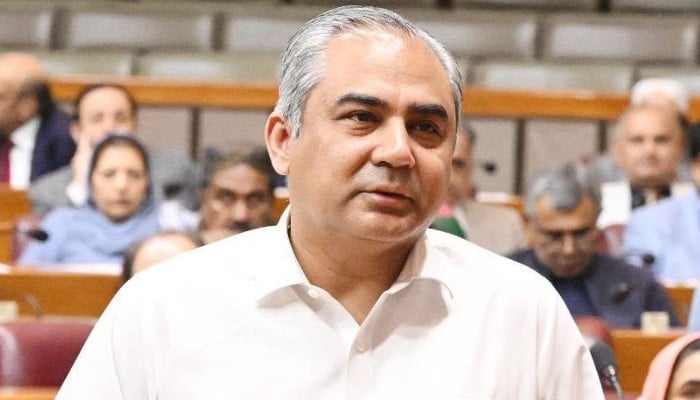
The Core Development Federal Interior Minister Mohsin Naqvi publicly acknowledged friction within the ruling coalition framework, disclosing that the chief of an allied political party remains dissatisfied after being bypassed for the governorship of [Khyber Pakhtunkhwa](/news/peshawar-high-court-hearing-pti-plea-governor-rule-kp) (KP) and denied a substantive role in the federal administrative setup. Speaking to media representatives in Islamabad, Naqvi confirmed that high-level consultations continue, though the grievance underscores structural fault lines within the coalition government. The development comes at a critical juncture when the federal setup, formed through an intricate alliance of disparate political factions, requires unified parliamentary backing to navigate significant economic reforms and constitutional measures.
While Naqvi refrained from explicitly naming the aggrieved party head during his initial remarks, insider accounts indicate that commitments made during initial coalition bargaining concerning provincial gubernatorial slots and federal cabinet portfolios remain a contentious issue. The distribution of constitutional posts in Khyber Pakhtunkhwa has historically served as a stabilizing lever between federal authorities and regional allies. Bypassing key partners risks fragmenting legislative discipline in the National Assembly, complicating governance at both federal and provincial tiers.
Commercial & Economic Implications Political unpredictability in Khyber Pakhtunkhwa carries direct commercial ramifications for [regional trade](/news/gaza-humanitarian-toll-deepens-regional-trade-risks-escalate) corridors, wholesale operations, and private sector confidence across northern Pakistan. KP functions as the primary transit gateway for bilateral commerce and transit cargo bound for Afghanistan and Central Asian republics through the Torkham and Ghulam Khan border crossings. Administrative instability and prolonged federal-provincial friction invariably disrupt policy implementation, regulatory clearances, and infrastructure maintenance along critical logistics arteries.
For wholesale distributors and FMCG manufacturers based in Punjab and Sindh, provincial discord raises operational risk premiums. Continued friction dampens private capital expenditure, exacerbates regional supply bottlenecks, and places upward pressure on logistics freight rates. Institutional investors, already navigating macroeconomic stabilization metrics under international loan programs, view political discord as a precursor to policy paralysis, directly impacting sovereign credit risk assessments and private sector investment decisions.
Related Intelligence: Musk Unveils Thruster-Equipped Tesla Roadster Amid Regulatory and Aviation Hurdles
Stakeholder Perspectives & Market Reactions Business chambers in Peshawar and Islamabad have expressed concern over recurring administrative wrangling. The Sarhad Chamber of Commerce and Industry (SCCI) has repeatedly urged federal and provincial authorities to prioritize commercial continuity, tariff rationalization, and border trade facilitation over political patronage disputes. Traders emphasize that unresolved administrative appointments impede civil service decision-making, stalling developmental approvals and bilateral customs modernization projects.
Legal and constitutional experts note that while gubernatorial selections remain a constitutional prerogative executed on the advice of the Prime Minister, political conventions necessitate compromise among coalition partners to avert legislative impasses. Analysts observe that when coalition partners perceive an imbalance in power-sharing arrangements, their inclination to support contentious economic legislation, such as austerity budgets and energy tariff revisions, drops significantly.
Forward Outlook & Key Watchpoints Moving forward, the federal administration must balance internal coalition management with provincial executive relations. Key indicators to monitor include upcoming parliamentary voting cycles on [regulatory and](/news/musk-unveils-thruster-equipped-tesla-roadster-aviation-hurdles) fiscal reforms, where the cooperation of aggrieved allies will be tested. Senior coalition managers are expected to initiate quiet backchannel talks to offer alternate federal concessions, standing committee chairmanships, or bureaucratic influence to appease dissident factions.
Over the next quarter, market observers will track whether this discord spills into broader governance disruptions or if negotiated settlements restore coalition alignment. Sustaining stability in Khyber Pakhtunkhwa remains essential not only for internal security operations but also for maintaining macro-level supply chain resilience and fiscal coordination between Islamabad and the provinces.
Join Our Official WhatsApp Channel
Receive live commodity alerts, policy changes, and commercial intelligence directly on WhatsApp.