
Netanyahu US Visit Exposes Limits of International Criminal Court Enforcement
Benjamin Netanyahu's recent visit to the United States underscores the enforcement challenges facing the International Criminal Court regarding non-member states.
Geopolitical & Core Developments
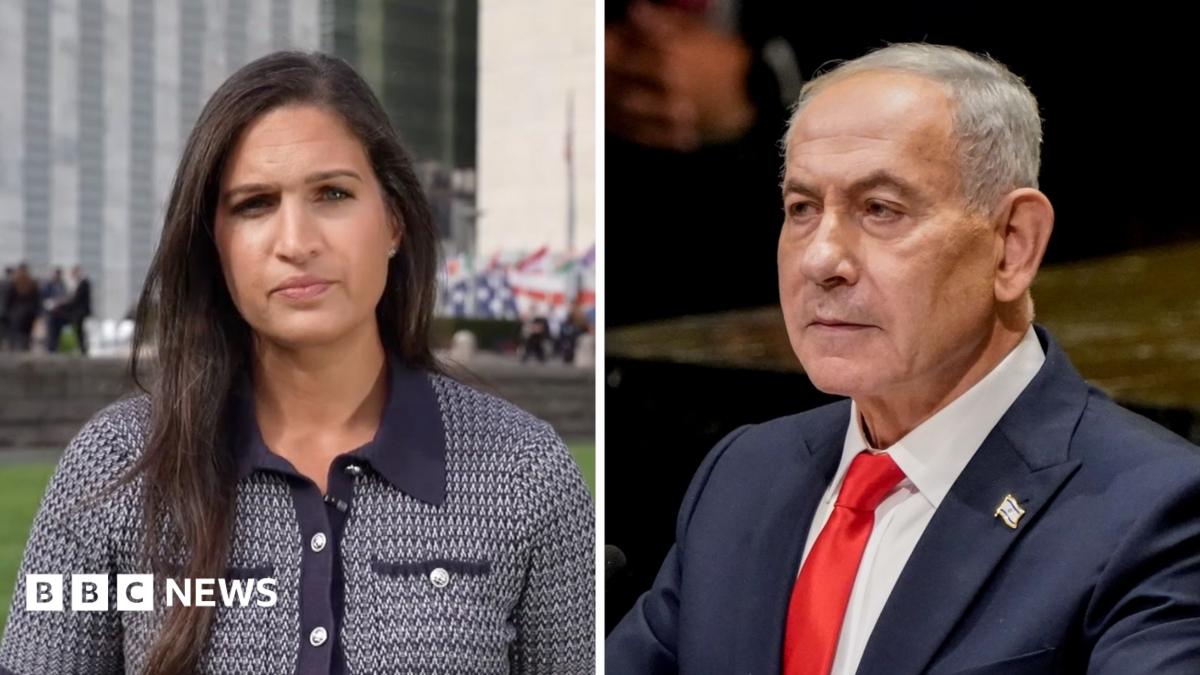
The recent high-profile visit of Israeli Prime Minister Benjamin Netanyahu to the United States, culminating in an address at the United Nations, has reignited intense debate over the efficacy and reach of international judicial bodies. Despite the issuance of an International Criminal Court (ICC) arrest warrant concerning alleged violations of international humanitarian law, Netanyahu moved freely through American territory. This diplomatic reality exposes a foundational limitation within the global legal architecture: the ICC possesses no independent police force and relies entirely on the cooperation of sovereign member states to execute warrants.
Because the United States is not a signatory to the Rome Statute—the treaty that established the ICC—Washington is under no legal obligation to recognize or enforce the court's warrants. The Biden administration, alongside bipartisan majorities in Congress, firmly rejected the ICC's jurisdiction over non-member states, framing the arrest warrants as an overreach that complicates delicate regional peace negotiations. This stance illustrates how geopolitical alliances frequently supersede international legal instruments, creating a fragmented global order where the enforcement of international law depends heavily on state consent and strategic alignment.
Global Trade & Economic Ripples
While the geopolitical ramifications are immediate, the underlying tensions surrounding the Middle East conflict continue to exert profound pressures on global commodity markets and international trade routes. Persistent instability in the region threatens vital maritime chokepoints, notably the Bab el-Mandeb Strait and the Suez Canal, which serve as crucial arteries for international container shipping and energy transit. Disruptions in these corridors have forced commercial vessels to reroute around the Cape of Good Hope, substantially increasing transit times, fuel consumption, and freight rates.
Energy markets remain particularly sensitive to escalations involving major regional stakeholders. Although immediate supply shocks have been absorbed by strategic petroleum reserves and alternative production quotas, crude oil and liquefied natural gas (LNG) futures experience persistent volatility. Traders and multinational corporations are pricing in sustained risk premiums, affecting input costs across manufacturing and agricultural supply chains. Furthermore, currency values in emerging markets and trade-dependent economies face downward pressure as investors seek safe-haven assets amid escalating geopolitical uncertainty.
Related Intelligence: Global Diplomacy at UN Fails on Conflicts but Advances Tech and Trade Talks
International Reactions & Diplomatic Stances
The international community remains sharply divided over the legal and diplomatic implications of the ICC's actions. European signatories to the Rome Statute find themselves in a complex diplomatic dilemma, legally bound to execute the arrest warrant should Netanyahu enter their jurisdictions, yet acutely aware of the diplomatic fallout with both Washington and Jerusalem. Meanwhile, nations across the Global South have seized upon the controversy to highlight perceived double standards in the application of international law, contrasting the swift pursuit of certain leaders with the impunity enjoyed by others.
Multilateral bodies, including the United Nations General Assembly, have become arenas for intense rhetorical combat. Western allies emphasize Israel's right to self-defense following the October 7 attacks, while developing nations and Arab states prioritize humanitarian concerns, civilian casualties, and compliance with international humanitarian law. This diplomatic polarization diminishes the capacity of multilateral institutions to forge a unified consensus on conflict resolution, leaving economic and diplomatic channels strained.
Strategic Outlook & Future Scenarios
Looking ahead, the divergence between international jurisprudence and state sovereignty is expected to widen, setting a contentious precedent for future global conflicts. Upcoming international summits will likely feature heated debates regarding the reform of global governance structures and the enforcement mechanisms of international tribunals. As long as major economic and military powers remain outside the Rome Statute framework, the ICC's ability to hold leaders of non-member states accountable will remain severely constrained.
For global markets and multinational enterprises, the primary takeaway is an era of prolonged structural volatility. Geopolitical risk management has transitioned from a peripheral concern to a core operational metric. Businesses must prepare for fragmented regulatory environments, potential secondary sanctions, and unpredictable supply chain disruptions as international diplomacy increasingly gives way to transactional, power-based bilateralism.
Join Our Official WhatsApp Channel
Receive live commodity alerts, policy changes, and commercial intelligence directly on WhatsApp.