
Bangkok Declares Disaster Zone as Torrential Rains Paralyze Capital
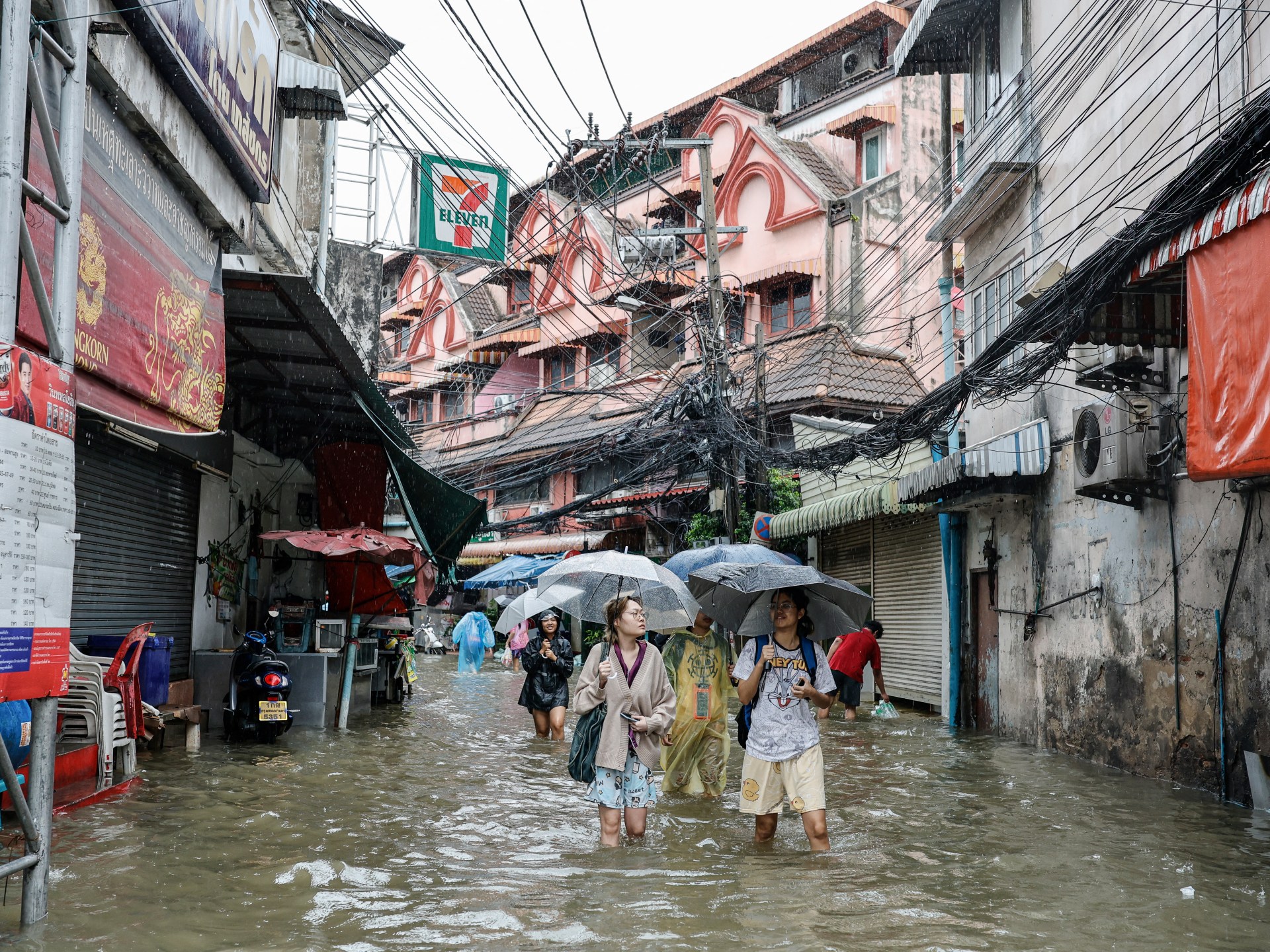
Bangkok declared an emergency disaster zone as continuous heavy rainfall submerged major thoroughfares and commercial districts, threatening regional supply chains and industrial output.
Geopolitical & Core Developments
Bangkok's metropolitan administration has officially declared a disaster zone across the Thai capital following days of unrelenting monsoon downpours that began early Thursday. The continuous deluge has overwhelmed municipal drainage infrastructure, causing critical canals to breach their banks and submerging major thoroughfares, residential neighborhoods, and commercial centers. Emergency management services have been placed on high alert as water levels continue to rise, threatening critical public infrastructure and forcing emergency evacuations in low-lying suburban districts.
The crisis highlights the acute vulnerability of Southeast Asia's mega-cities to extreme weather events exacerbated by changing global climate patterns. National disaster response agencies, alongside military engineering units, have been deployed to deploy industrial-grade pumps and clear blocked waterways. However, the sheer volume of water has outpaced mitigation efforts, raising urgent questions among urban planners and international observers regarding long-term climate resilience and infrastructural adaptation in the region's primary economic engine.
Global Trade & Economic Ripples
As Thailand serves as a pivotal nexus for regional and global commerce, the paralysis of Bangkok carries immediate ramifications for international trade and commodity markets. The inundation of key transport arteries has severely bottlenecked freight movement between deep-water ports, manufacturing estates, and inland distribution hubs. Industrial estates on the northern and eastern fringes of the metropolitan area are implementing emergency flood-defense measures to protect electronics, automotive assembly lines, and food processing facilities.
Global supply chains dependent on Thai manufacturing output—particularly hard-drive components, automotive parts, and processed agricultural commodities—are bracing for potential delivery delays. Furthermore, agricultural futures, notably for rice and regional grain benchmarks, have experienced upward pricing pressures amid concerns over potential crop damage in surrounding agrarian provinces. Shipping logistics companies have begun rerouting freight traffic, increasing operational costs and transit times across Southeast Asian maritime and overland corridors.
Related Intelligence: Bangkok Declares Disaster Emergency as Monsoon Floods Paralysis Thai Supply Chains
International Reactions & Diplomatic Stances
Regional neighbors and international financial institutions are closely monitoring the unfolding crisis in Bangkok. Representatives from the United Nations Office for Disaster Risk Reduction expressed solidarity with Thai authorities, offering technical assistance and coordinated disaster relief frameworks. Neighboring ASEAN member states have signaled readiness to provide emergency response equipment and humanitarian aid if the domestic situation deteriorates further.
International market analysts and credit rating agencies have initiated preliminary assessments of the macroeconomic toll. While immediate fiscal impacts will depend on the duration of the flooding, economists note that recurring climate-induced disruptions in Southeast Asia impose a compounding tax on regional GDP growth. Foreign investors are increasingly factoring climate vulnerability into their long-term capital allocation strategies across the Indo-Pacific region.
Strategic Outlook & Future Scenarios
The disaster in Bangkok underscores the broader strategic imperative for climate-resilient infrastructure investments across developing and emerging economies. As governments across Southeast Asia prepare for upcoming regional environmental summits, the imperative to secure multilateral financing for climate adaptation projects has gained renewed urgency. Policymakers are expected to accelerate discussions on integrated water management systems and regional early-warning networks.
In the immediate term, the trajectory of economic recovery will hinge on meteorological forecasts for the coming weeks. If the monsoon system lingers, supply chain contagion could spread across ASEAN trade blocs, affecting everything from regional retail distribution to international commodity pricing. Multinational corporations operating in the region are actively reassessing their business continuity plans, signaling a permanent shift toward risk-mitigation strategies that account for escalating climate volatility.
Join Our Official WhatsApp Channel
Receive live commodity alerts, policy changes, and commercial intelligence directly on WhatsApp.