
Musk Unveils Thruster-Equipped Tesla Roadster Amid Regulatory and Aviation Hurdles
Tesla CEO Elon Musk has unveiled a prototype Roadster integrated with rocket thrusters at SpaceX facilities, intensifying debate over regulatory feasibility and advanced automotive commercialization.
The Core Development
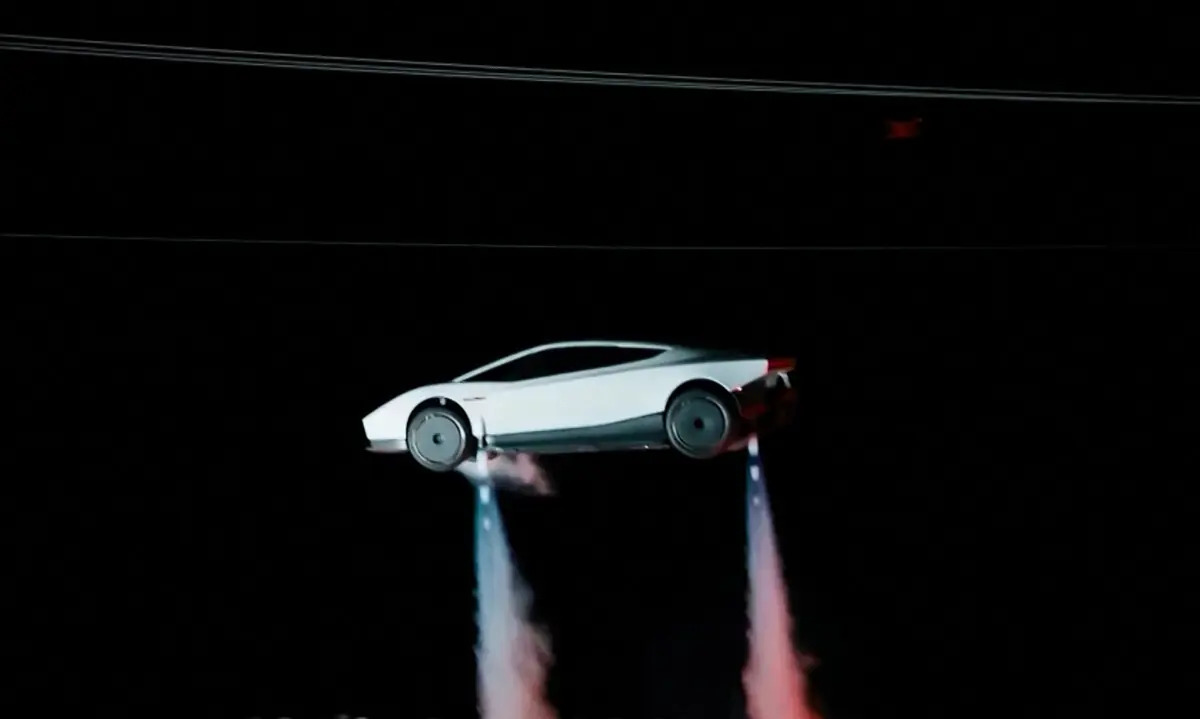
In a live demonstration streamed globally from the SpaceX testing facility in Texas, Tesla Chief Executive Elon Musk unveiled the latest iteration of the Tesla Roadster, pitching it as a paradigm-shifting vehicle equipped with cold-gas thrusters capable of short airborne hops. Musk, who has repeatedly postponed the commercial timeline of the second-generation Roadster since its initial 2017 preview, showcased the sports car executing localized propulsion maneuvers designed in collaboration with SpaceX aerospace engineers.
While the demonstration aimed to illustrate the convergence between automotive electric powertrains and rocketry engineering, the event immediately re-ignited scrutiny across global transportation authorities. The operational prototype utilizes high-pressure air thruster systems mounted behind the license plate and beneath the chassis, effectively seeking to blur the distinction between ultra-high-performance road cars and vertical takeoff aviation hardware. However, specific mechanical parameters, maximum airborne endurance, and precise consumer delivery schedules were notably absent from the presentation, leaving market analysts questioning the timeline for mass manufacturing.
Commercial & Economic Implications
The revelation of rocket-assisted consumer vehicles highlights an accelerating divergence within the global automotive supply chain. For mature economies, such speculative product categories demand unprecedented investments in specialized components, advanced composites, and localized aviation-grade maintenance infrastructure. Conversely, for emerging import-dependent economies like Pakistan, the immediate commercial reality remains firmly detached from luxury airborne mobility.
Pakistani automotive distributors, retail importers, and tier-one parts suppliers operate within an environment constrained by foreign exchange controls, strict customs tariffs, and nascent charging infrastructure. The domestic market has only recently begun integrating baseline battery electric vehicles (BEVs) under the National Electric Vehicle Policy (NEVP). The introduction of hyper-advanced personal transport concepts underscores the growing capital and technology deficit confronting domestic manufacturing. Wholesale distributors in Pakistan remain primarily focused on two-wheelers, small commercial vehicles, and budget passenger cars, where inflationary pressures and elevated fuel costs dictate consumer purchasing power rather than frontier propulsion systems.
Related Intelligence: India Voter Roll Purge Stirs Institutional Concerns and Market Volatility
Stakeholder Perspectives & Market Reactions
Global financial markets responded with cautious reserve, as institutional investors weighed Musk's technical demonstration against the acute regulatory and legal headwinds facing low-altitude civilian transport. Aviation analysts noted that the United States Federal Aviation Administration (FAA) alongside international transport watchdogs govern airworthiness through rigorous safety certifications that automotive bodies are structurally ill-equipped to bypass.
Locally, Pakistani engineering and retail bodies echoed these institutional concerns. Representatives from the Pakistan Automotive Manufacturers Association (PAMA) and regional transport trade associations noted that regulatory frameworks in developing economies are scarcely equipped to govern Level 3 autonomous driving, let alone vehicular propulsion mechanisms capable of vertical lift. Legal experts underscored the substantial liability and public safety risks associated with high-pressure pneumatic systems operating in densely populated civilian areas. Market sentiment suggests that while the presentation reinforces Tesla's brand dominance as a technological pioneer, the commercial utility of thruster-equipped vehicles remains marginal for real-world fleets.
Forward Outlook & Key Watchpoints
The commercial roadmap for the thruster-equipped Roadster faces stringent checkpoints. Over the next twelve to twenty-four months, regulatory scrutiny will intensify regarding road safety compliance, noise pollution ordinances, and civilian aerospace integration. Aviation bodies in North America and the European Union are anticipated to demand comprehensive structural airworthiness validations prior to granting any consumer operation permits.
For market participants monitoring global technology transfers, the critical indicator will be whether Tesla transitions the thruster mechanism from a marketing showpiece into an approved, serialized production model. Meanwhile, industrial stakeholders in frontier markets will continue observing how peripheral advances in battery energy density and lightweight structural engineering, accelerated by such hyper-car initiatives, gradually trickle down into mainstream commercial electric supply chains. Until standardized safety protocols are established, the concept remains an experimental luxury asset with minimal near-term exposure to broad automotive retail channels.
Join Our Official WhatsApp Channel
Receive live commodity alerts, policy changes, and commercial intelligence directly on WhatsApp.