
Sovereign Sports Investments Face Regulatory Scrutiny Amid UK Football Turmoil
Escalating operational strain at Manchester United alongside regulatory scrutiny on Manchester City highlights broader systemic risks surrounding sovereign-backed capital and cross-border sports asset valuation.
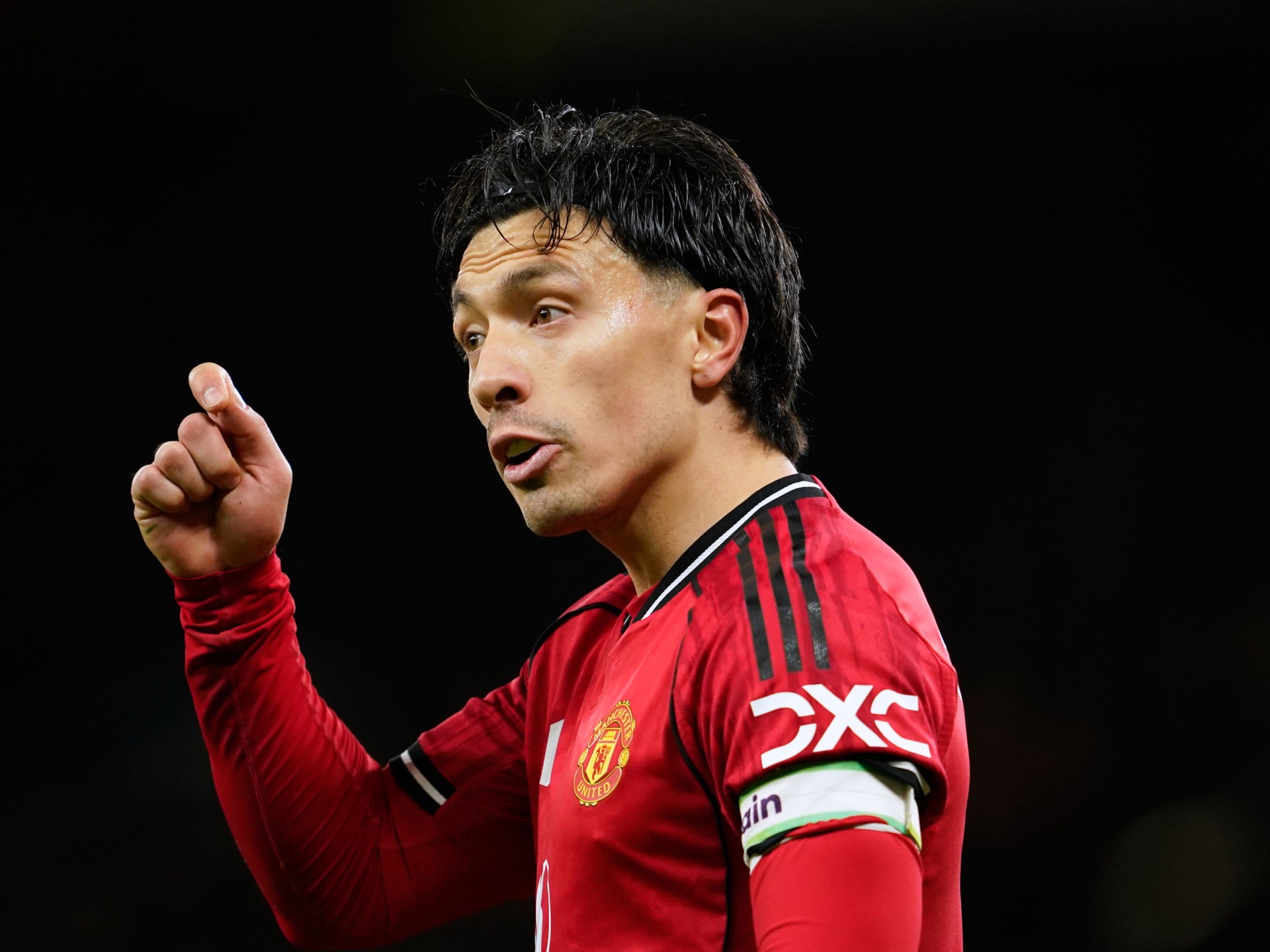
Geopolitical & Core Developments
The deepening operational crisis at Manchester United, juxtaposed against ongoing statutory and regulatory investigations surrounding Manchester City, reflects an inflection point for the political economy of international sport. Following public friction involving senior squad members including Lisandro Martinez, institutional focus has abruptly shifted toward broader questions of asset management, compliance, and multi-jurisdictional governance in the English Premier League. This transition arrives at a sensitive diplomatic juncture, where Western sports franchises increasingly serve as prime vectors for foreign direct investment, state soft power, and geopolitical alignment.
Manchester City's parent entity, City Football Group, backed principally by Abu Dhabi United Group, continues to navigate an unprecedented legal and regulatory confrontation with league authorities over historical financial disclosures. Simultaneously, minority investment from British petrochemical titan INEOS at Manchester United illustrates the friction between sovereign-scale operational spending and domestic fiscal constraints. Over the past decade, European football has evolved from a regional entertainment sector into an arena of statecraft, drawing extensive capital injections from Gulf Cooperation Council (GCC) entities, American private equity consortia, and domestic industrialists seeking strategic diversification.
Global Trade & Economic Ripples
While elite athletics operates primarily within the service sector, the commercial ecosystem supporting premier sports entertainment directly influences global capital markets, broadcast syndication rights, and international sponsorship contracts. The Premier League generates more than 3 billion pounds annually in overseas broadcasting rights alone, functioning as a key export sector for the United Kingdom. Disruption or reputational contagion within flagship franchises introduces uncertainty for international syndicates, corporate underwriters, and institutional lenders managing leveraged buyout obligations.
Furthermore, sovereign wealth funds (SWFs) deploying capital into European infrastructure and entertainment assets are recalibrating risk models. The legal proceedings scrutinizing commercial partnerships, inter-company transactions, and fair market asset valuations are expected to establish vital legal precedents. Should sovereign-linked commercial contracts face retroactively applied caps or operational sanctions, the liquidity pipelines linking Middle Eastern sovereign funds to European real estate, media conglomerates, and commercial logistics hubs could see revised legal due diligence protocols and compressed transaction volumes.
Related Intelligence: CII Flags Security Risks and Middle East Maritime Disruptions
International Reactions & Diplomatic Stances
Regulatory bodies across the European Union and the United Kingdom have progressively hardened their stance against asymmetric state-backed capital allocations in domestic commerce. The UK Department for Culture, Media and Sport continues to advance the Football Governance Bill, an initiative designed to establish an independent statutory regulator to oversee financial sustainability, ownership vetting, and systemic liquidity.
Market analysts note that international investors view regulatory interventions as a double-edged sword. While domestic lawmakers frame statutory oversight as a necessary safeguard for economic resilience and competition, foreign sovereign funds interpret shifting compliance requirements as potential investment impediments. Legal representatives representing foreign ownership groups have maintained that all corporate structures comply fully with applicable national and international corporate law, warning that overly restrictive regulatory frameworks could divert foreign direct investment toward emerging sports ecosystems across the Middle East, Southeast Asia, and North America.
Strategic Outlook & Future Scenarios
The convergence of internal sporting discord at Manchester United and high-stakes regulatory adjudications across the league points toward structural transformation over the coming 12 to 24 months. If regulatory tribunals enforce severe financial or sporting penalties on leading clubs, the economic valuation of tier-one European football franchises could experience downward corrections, prompting institutional equity partners to renegotiate risk-sharing terms.
In the medium term, sovereign-backed investment strategies are likely to pivot toward multi-club ownership models across less regulated jurisdictions, or toward wholly alternative sporting assets such as professional golf, motorsports, and combat leagues. As geopolitical multipolarity deepens, sovereign capital deployment will increasingly demand predictable regulatory jurisdictions. The resolution of current regulatory and administrative disputes in the UK will provide a decisive benchmark for the future integration of sovereign wealth within Western entertainment infrastructure.
Join Our Official WhatsApp Channel
Receive live commodity alerts, policy changes, and commercial intelligence directly on WhatsApp.