
India Voter Roll Purge Stirs Institutional Concerns and Market Volatility
Administrative electoral revisions in India spark concerns over democratic integrity and minority disenfranchisement, presenting emerging risks for global trade stability and foreign direct investment.
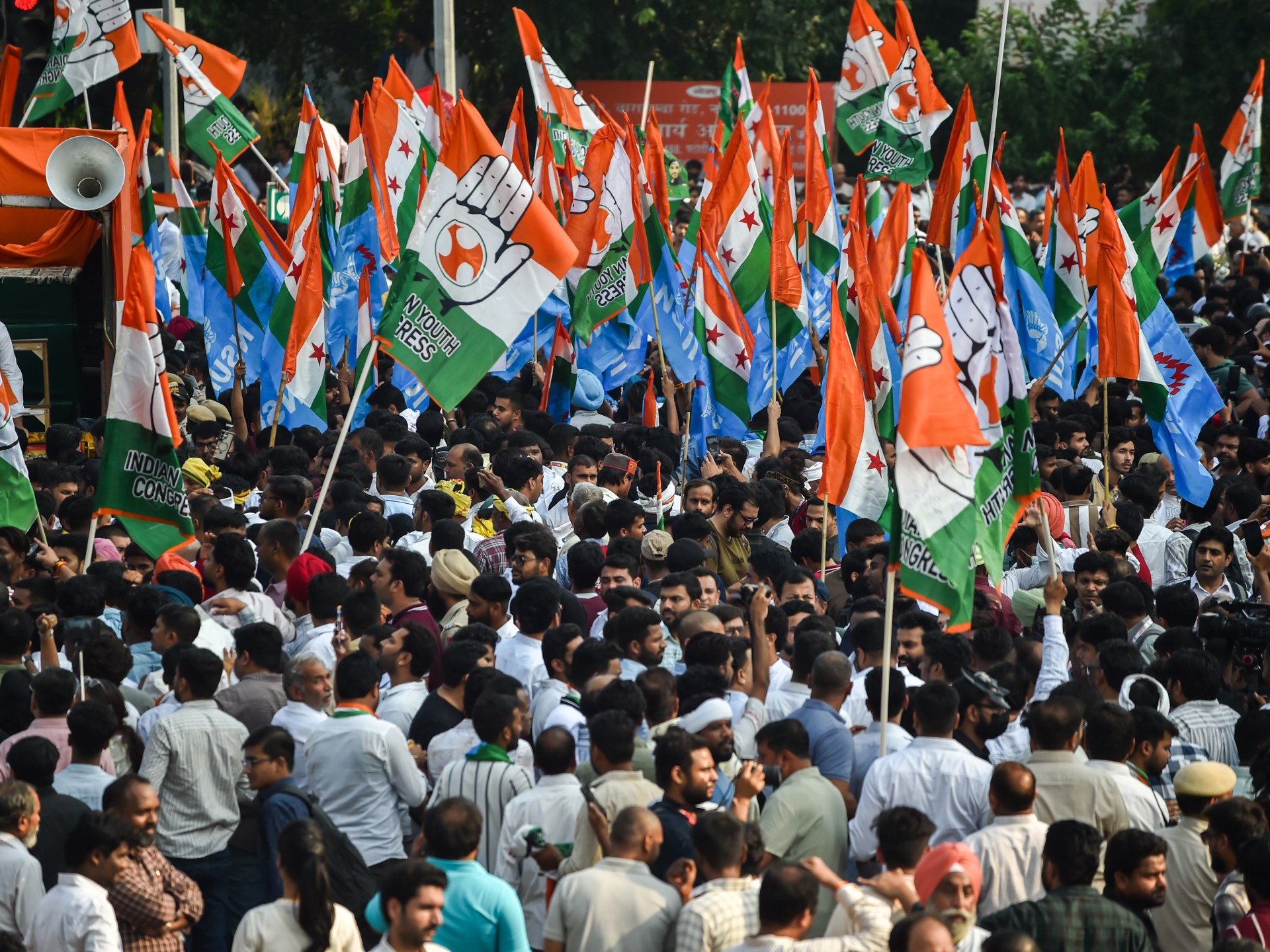
Geopolitical & Core Developments India’s electoral framework faces rigorous scrutiny following extensive rollouts of the Special Intensive Revision (SIR) mechanism across key states. Independent rights groups, legal monitors, and international observers allege that the administrative mechanism systematically disenfranchises millions of marginalized citizens, particularly minority Muslim and lower-caste demographics. Critics argue this bureaucratic purge consolidates the ruling Bharatiya Janata Party's (BJP) majoritarian political project, fundamentally altering democratic norms in the world's most populous nation.
The administrative exercise requires voters to produce complex legacy documentation, creating disproportionate hurdles for rural populations and historically disadvantaged communities. Legal experts warn that the removal of citizens from official rolls undermines the integrity of upcoming state and general elections. Furthermore, civil society advocates assert that the bureaucratic purge functions as an unofficial precursor to controversial citizenship verification schemes, heightening internal friction, domestic political polarization, and socio-economic vulnerability among minority enclaves.
Global Trade & Economic Ripples While domestic political reforms rarely cause immediate shocks to global trade corridors, institutional decay poses tangible risks to multinational capital. India represents an indispensable link in global manufacturing diversification, serving as a primary beneficiary of the 'China-plus-one' strategy. However, escalating civil unrest and contested electoral mandates introduce sovereign risk premiums that concern institutional allocators.
Foreign institutional investors (FIIs) consistently monitor political stability indices when directing inflows into Indian capital markets. Sustained communal unrest and localized disruptions threaten critical transport networks, domestic supply chains, and industrial operations in key manufacturing hubs like Maharashtra, Gujarat, and Tamil Nadu. The Indian rupee also faces heightened exposure; prolonged domestic instability could prompt capital outflows, placing pressure on currency reserves and altering import pricing for essential commodities, including crude oil, industrial metals, and fertilizers.
Related Intelligence: Imaan Mazari, Hadi Chattha Stage Walkout in Anti-Terrorism Court Jail Trial
International Reactions & Diplomatic Stances Multilateral bodies and [human rights](/news/rising-western-deportations-russian-dissidents-human-rights-fallout) organizations have voiced alarm over India's changing institutional environment. The United Nations Office of the High Commissioner for Human Rights (OHCHR) has repeatedly emphasized the necessity of equitable political participation and democratic safeguards, urging [New Delhi](/news/new-delhi-security-clampdown-opposition-protest-economic-impact) to ensure transparent, non-discriminatory electoral procedures.
Western capitals navigate a complicated diplomatic tightrope. The United States, European Union member states, and Quad partners view India as a vital counterweight to Chinese influence across the Indo-Pacific. Consequently, formal bilateral diplomatic responses remain measured. However, legislative bodies in Washington and Brussels face mounting pressure from human rights caucuses to link trade concessions and advanced technological transfers to measurable adherence to rule-of-law and minority rights standards.
Strategic Outlook & Future Scenarios The trajectory of India's electoral apparatus will shape both its domestic stability and its strategic standing on the world stage. Legal challenges against the revision exercises are expected to mount within India's Supreme [Court](/news/imaan-mazari-hadi-chattha-walkout-atc-jail-trial-security-route), testing the resilience and independence of the judiciary against state directives. Widespread legal disputes could lead to prolonged electoral controversies and public demonstrations.
Over the medium term, democratic indicators compiled by global think tanks may downgrade India's governance rankings, complicating its efforts to secure preferential trade agreements with the European Union and the United Kingdom. Investors will closely watch upcoming state-level polls to gauge whether administrative disenfranchisement triggers localized resistance or structural governance disruptions. While India remains an indispensable geopolitical partner for the West, persistent concerns over democratic erosion threaten to inject volatility into foreign investment frameworks and international strategic cooperation.
Join Our Official WhatsApp Channel
Receive live commodity alerts, policy changes, and commercial intelligence directly on WhatsApp.