
Assessing US Economic Trajectory and Global Market Implications Under Trump
An analytical review of the US economic performance under Donald Trump reveals mixed indicators, carrying substantial implications for global trade, commodity markets, and multilateral monetary policies.
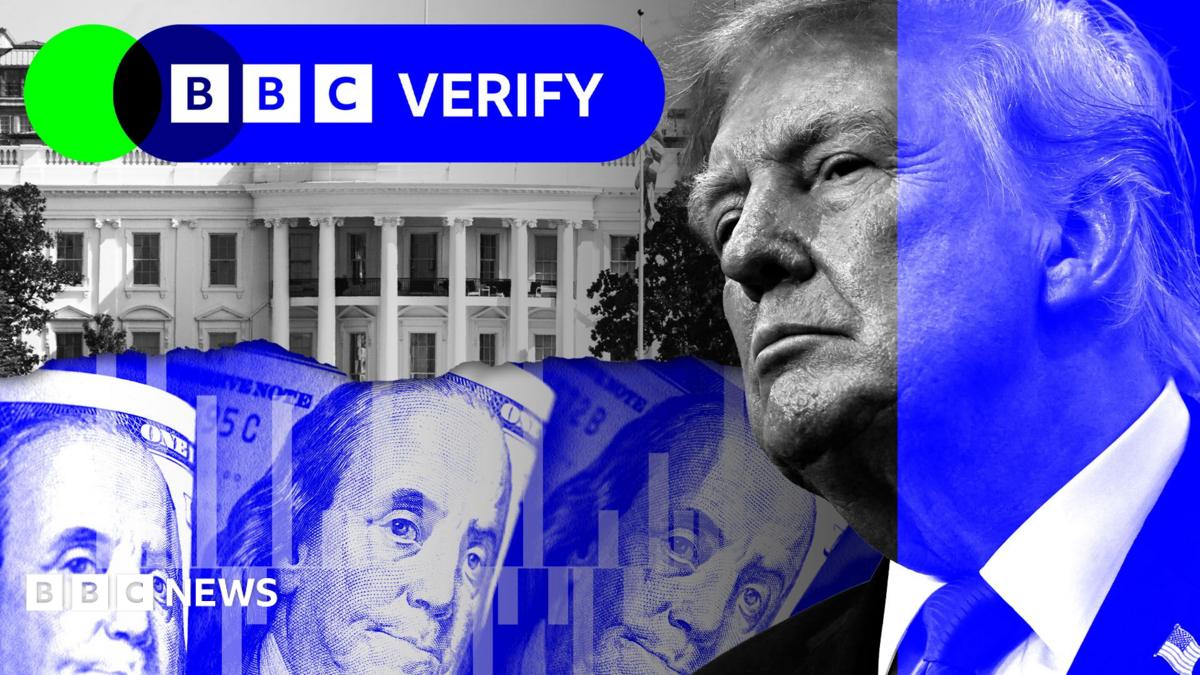
Geopolitical & Core Developments
The trajectory of the United States economy remains the focal anchor of global macroeconomic stability and geopolitical maneuvering. Heading into pivotal electoral cycles, former President Donald Trump has consistently championed the strength of the domestic economy during his tenure, emphasizing robust gross domestic product expansion, historic lows in unemployment, and broad deregulation. However, independent statistical examinations by global analysts and verification monitors present a more nuanced, complex picture. While headline unemployment dipped to multi-decade lows and consumer spending remained resilient, broader structural factors—including unprecedented sovereign debt accumulation, post-pandemic inflationary waves, and the long-term impacts of aggressive tariff policies—continue to shape the domestic landscape.
From a timeline perspective, the shifting economic indicators underscore the tension between populist economic nationalism and integrated globalized commerce. The implementation of Section 301 tariffs on Chinese manufacturing and retaliatory agricultural duties signaled a fundamental departure from post-Cold War multilateralism. As Washington debates fiscal trajectories and regulatory postures, state actors in Europe, Asia, and the Global South are recalibrating their strategic economic doctrines to hedge against potential unilateral American trade actions.
Global Trade & Economic Ripples
The global repercussions of US economic performance extend directly into cross-border capital flows, sovereign currency valuations, and international commodity pricing. The persistent strength of the US dollar, bolstered by Federal Reserve interest-rate policies aimed at curbing stubborn domestic inflation, has exerted downward pressure on emerging market currencies. Consequently, developing nations face elevated debt servicing costs denominated in greenbacks, alongside higher landing costs for essential dollar-priced imports.
In commodity markets, international energy and agricultural benchmarks remain highly sensitive to Washington's regulatory and trade signals. A resurgence of broad-based tariffs would directly disrupt global supply chains, raising freight rates and distorting shipping lanes across trans-Pacific and trans-Atlantic routes. Global industrial manufacturers, particularly in automotive and electronics sectors across East Asia and Western Europe, face heightened margin compression as raw material inputs—ranging from aluminum and steel to specialized semiconductors—become subject to political leverage. Furthermore, shifting domestic US fossil fuel extraction mandates continue to influence OPEC+ quota deliberations and benchmark Brent crude pricing.
Related Intelligence: Tunisia Youth Exodus Deepens North African Economic and Geopolitical Instability
International Reactions & Diplomatic Stances
International organizations and sovereign counterparts have expressed cautious appraisal regarding US macroeconomic posturing. The International Monetary Fund (IMF) and the World Bank have repeatedly warned that unilateral trade barriers and escalating trade deficits among major economic powers threaten medium-term global growth projections. Multilateral bodies emphasize that fragmented economic blocs diminish global productivity and complicate coordinated climate and debt-relief initiatives.
Diplomatically, the European Union has accelerated efforts to fortify its own industrial autonomy, with Brussels advancing its Anti-Coercion Instrument to counter sudden tariff impositions. In Beijing, the Ministry of Commerce has consistently condemned protectionist policies, framing unilateral tariffs as violations of World Trade Organization (WTO) norms while actively expanding non-dollar settlement arrangements through the BRICS framework. Market analysts across Wall Street and the City of London maintain that sustained fiscal deficits in Washington, coupled with volatile trade mandates, introduce elevated sovereign bond yield volatility worldwide.
Strategic Outlook & Future Scenarios
Looking ahead, the global commercial architecture faces several critical inflection points. Should Washington double down on protectionist fiscal policies and universal baseline tariffs, trading partners will likely deploy targeted retaliatory measures, particularly impacting US agricultural exports such as soybeans, pork, and corn, alongside heavy industrial machinery.
Upcoming multilateral gatherings, including G20 summits and WTO ministerial conferences, are anticipated to serve as arenas of friction regarding global trade compliance and green subsidies. In the medium term, multinational corporations are expected to accelerate 'nearshoring' and 'friendshoring' strategies, diversifying operations outside both the US and China into Southeast Asia and Latin America. The capacity of international financial institutions to absorb potential shifts in US monetary dominance will determine whether global markets experience stable diversification or prolonged systemic volatility.
Join Our Official WhatsApp Channel
Receive live commodity alerts, policy changes, and commercial intelligence directly on WhatsApp.