
Indonesian Haze Crisis Triggers Regional Health Emergency and Trade Disruption
Severe haze choking Indonesia causes over 170,000 respiratory cases, threatening regional public health, agricultural supply chains, and international trade stability.
Geopolitical & Core Developments
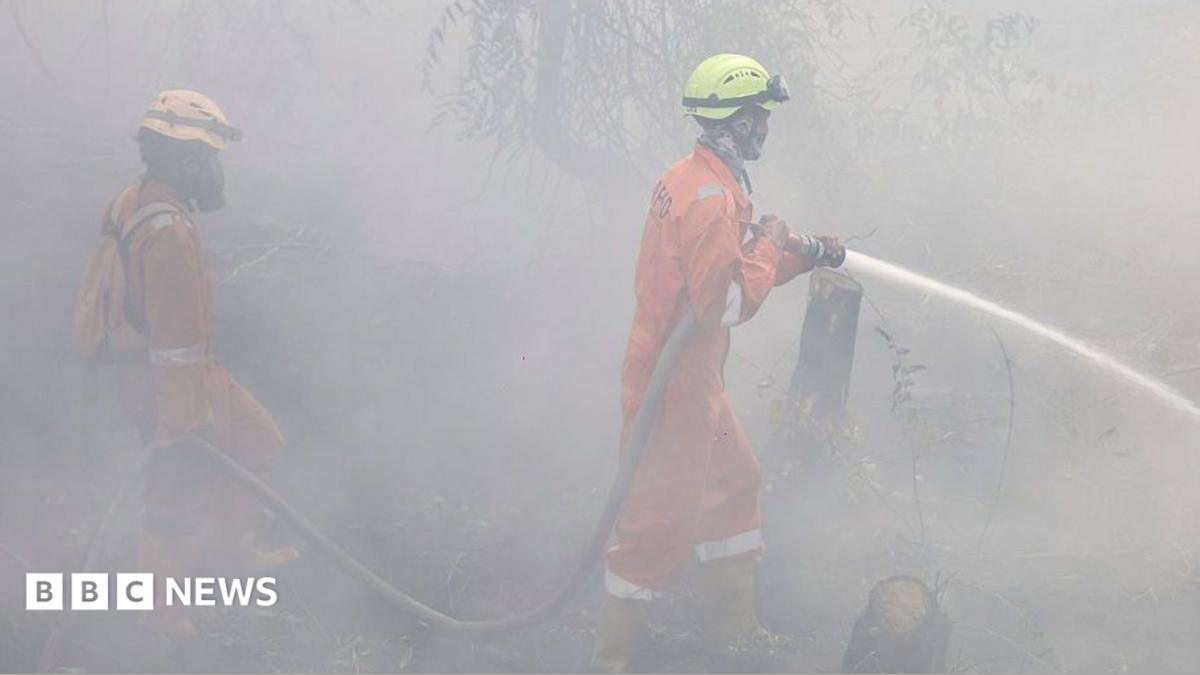
A severe environmental and public health crisis has escalated across Indonesia, where thick toxic haze from uncontrolled land and forest fires has driven acute respiratory infection cases past the 170,000 threshold. Meteorological agencies attribute the resurgence of the blazes to illegal slash-and-burn clearing practices exacerbated by extended dry spells. Among those affected, more than 40,000 cases involve toddlers suffering from conditions ranging from persistent coughs to severe pneumonia. Local healthcare facilities in Sumatra and Kalimantan are operating near maximum capacity, forcing regional authorities to distribute millions of medical masks and establish emergency filtration shelters. The transboundary nature of the smoke has already begun drifting across national borders into neighboring Malaysia and Singapore, reviving long-standing regional tensions over environmental accountability and multilateral enforcement of anti-burning regulations.
[Global Trade](/news/trump-xi-summit-geopolitical-friction-and-global-trade-stakes) & Economic Ripples
The environmental emergency carries profound implications for global commodity markets and regional supply chains. Indonesia remains the world's leading producer and exporter of palm oil, alongside significant shipments of rubber, timber, and coal. Reduced visibility and hazardous air quality have severely disrupted localized plantation labor productivity, inland logistics, and port operations. Agricultural analysts warn that prolonged operational slowdowns could tighten global edible oil supplies, injecting upward volatility into benchmark commodity pricing on international exchanges. Furthermore, commercial shipping lanes through the Malacca Strait face intermittent visibility constraints, necessitating reduced vessel speeds and potential freight demurrage cost increases that ripple through broader Asia-Pacific trade networks.
Related Intelligence: Trump-Xi Summit: Geopolitical Friction and Global Trade Stakes
International Reactions & Diplomatic Stances
International bodies and neighboring governments have expressed mounting concern over the humanitarian and economic toll of the crisis. The World Health Organization (WHO) has offered emergency technical assistance and medical supplies to support vulnerable populations, particularly children. Singaporean and Malaysian environmental ministries have reiterated calls for Jakarta to implement stricter domestic enforcement mechanisms under the ASEAN Agreement on Transboundary Haze Pollution. Market analysts note that international investors are closely monitoring corporate sustainability compliance, as institutional shareholders increasingly penalize multinational conglomerates linked to unmitigated environmental degradation and supply chain disruptions during seasonal fire episodes.
Strategic Outlook & Future Scenarios
As regional weather models indicate dry conditions persisting through the upcoming quarter, policymakers face mounting pressure to accelerate preventive mitigation strategies. Upcoming Association of Southeast Asian Nations (ASEAN) environmental working group meetings are expected to feature emergency agenda items focused on cross-border satellite monitoring and satellite-linked punitive measures against corporate entities implicated in illegal burning. Without coordinated regional intervention and substantial capital investment in modern firefighting infrastructure, chronic haze crises will continue to destabilize local populations, inflate healthcare expenditures, and introduce persistent volatility into critical global commodity markets.
Join Our Official WhatsApp Channel
Receive live commodity alerts, policy changes, and commercial intelligence directly on WhatsApp.