
UN General Assembly Opens Under Shadow of Middle East Conflict
The United Nations General Assembly opened in New York with high-stakes addresses from global leaders as the shadow of a potential Iran war dominates international diplomacy and commodity markets.
Geopolitical & Core Developments
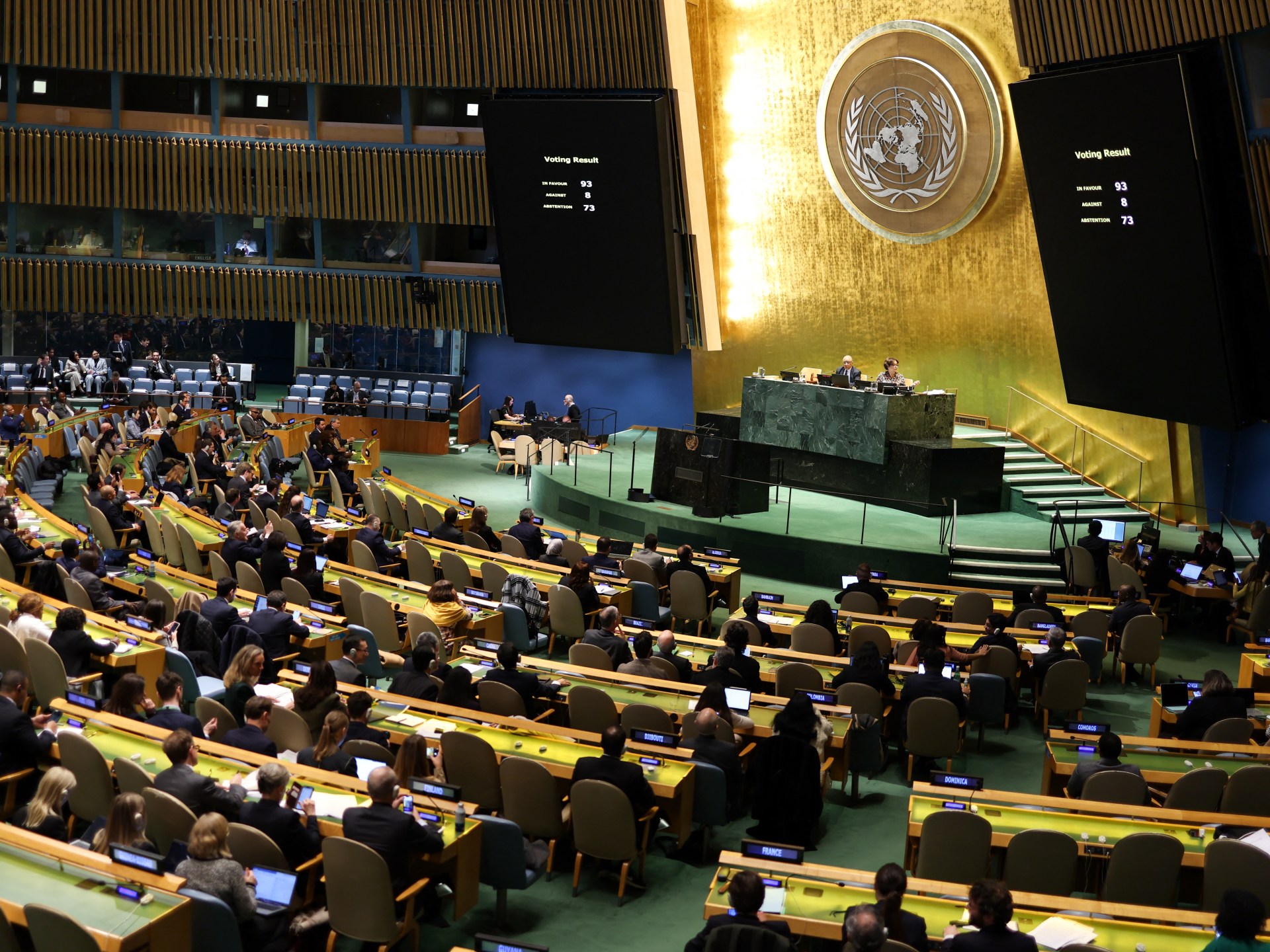
The 79th session of the United Nations General Assembly convened in New York under an extraordinary cloud of geopolitical tension, with the looming threat of a broader Middle East war taking absolute precedence over traditional diplomatic agendas. The high-level general debate kicked off with landmark addresses from world leaders, including prominent speeches from the United States, Brazil, Turkiye, and Qatar. Diplomatic corridors buzzed with urgency as delegates attempted to navigate the perilous escalation between Israel, regional proxies, and Tehran. The prospect of a direct and sustained military confrontation involving Iran has transformed routine multilateral engagements into crisis management summits. State actors across the globe are desperately seeking off-ramps to de-escalate a conflict that threatens to engulf the entire Levant and Persian Gulf regions. Security councils and bilateral delegations held emergency closed-door sessions to draft frameworks aimed at compelling restraint, yet foundational disagreements regarding deterrence and sovereignty continue to stall meaningful consensus. The summit serves as a critical litmus test for the efficacy of international institutions in arresting slide toward multi-theater warfare.
[Global Trade](/news/london-fashion-week-repositions-beyond-uk-borders-amid-global-trade-shifts) & Economic Ripples
International commodity markets and global supply chains reacted with immediate sensitivity to the belligerent rhetoric emanating from the General Assembly floor. Crude oil benchmarks experienced sharp intraday volatility, reflecting deep-seated anxiety over the security of energy transit corridors, most notably the Strait of Hormuz. A significant disruption in this vital maritime chokepoint could instantly sever the flow of nearly a fifth of the world's petroleum supply, sending shockwaves through industrial economies and reigniting inflationary pressures. Beyond hydrocarbons, agricultural and industrial metals markets exhibited nervous trading patterns as institutional investors reallocated capital into safe-haven assets. Shipping insurers have begun recalibrating risk premiums for vessels navigating West Asian waters, threatening to inflate maritime freight costs across global trade routes. Currency markets also reflected flight-to-safety dynamics, with the US dollar strengthening against emerging market currencies as geopolitical risk aversion dictates institutional portfolio management strategies.
Related Intelligence: Trump-GCC New York Summit Set to Redifine US-Gulf Strategic and Energy Ties
International Reactions & Diplomatic Stances
Mediterranean and Gulf intermediaries, led prominently by Qatari and Turkish delegations, utilized their platform to advocate for immediate humanitarian ceasefires and renewed diplomatic dialogue. Qatar's leadership underscored the catastrophic economic and human toll that an expanded regional war would inflict upon the global community, urging major powers to abandon unilateral postures in favor of multilateral negotiation. Meanwhile, Western officials reiterated firm security commitments to regional allies while simultaneously cautioning against disproportionate escalations that could trigger irreversible blowback. The United Nations Secretariat issued stern warnings regarding the degradation of international humanitarian law, pressing member states to leverage their economic and political leverage to compel belligerents back to the negotiating table. Market analysts from major financial institutions noted that corporate leadership teams are rapidly updating contingency plans, factoring in persistent geopolitical friction as a baseline economic reality for the foreseeable future.
Strategic Outlook & Future Scenarios
As the General Assembly debates unfold through the week, the trajectory of global commerce and geopolitics hinges upon whether backchannel diplomacy can successfully establish deterrence thresholds between Washington, regional capitals, and Tehran. Upcoming emergency ministerial meetings and security council briefings will serve as critical barometers for assessing whether the current diplomatic posture can avert open warfare. In the baseline scenario of contained skirmishes, commodity markets are expected to price in a permanent geopolitical risk premium, keeping energy and shipping costs elevated. However, a worst-case scenario involving direct infrastructural strikes on oil installations or the formal closure of strategic maritime choke points would instantly trigger severe supply shocks, compelling central banks to re-evaluate monetary easing cycles in the face of renewed inflation. Multinational enterprises and commodity traders must maintain maximum operational agility to navigate an increasingly fragmented and volatile global trading environment.
Join Our Official WhatsApp Channel
Receive live commodity alerts, policy changes, and commercial intelligence directly on WhatsApp.