
UN Warns US Maritime Strikes Risk Violating International Law
United Nations human rights experts warn that aggressive US maritime strikes against suspected drug vessels may constitute crimes against humanity, intensifying a major global legal and geopolitical dispute.
Geopolitical & Core Developments
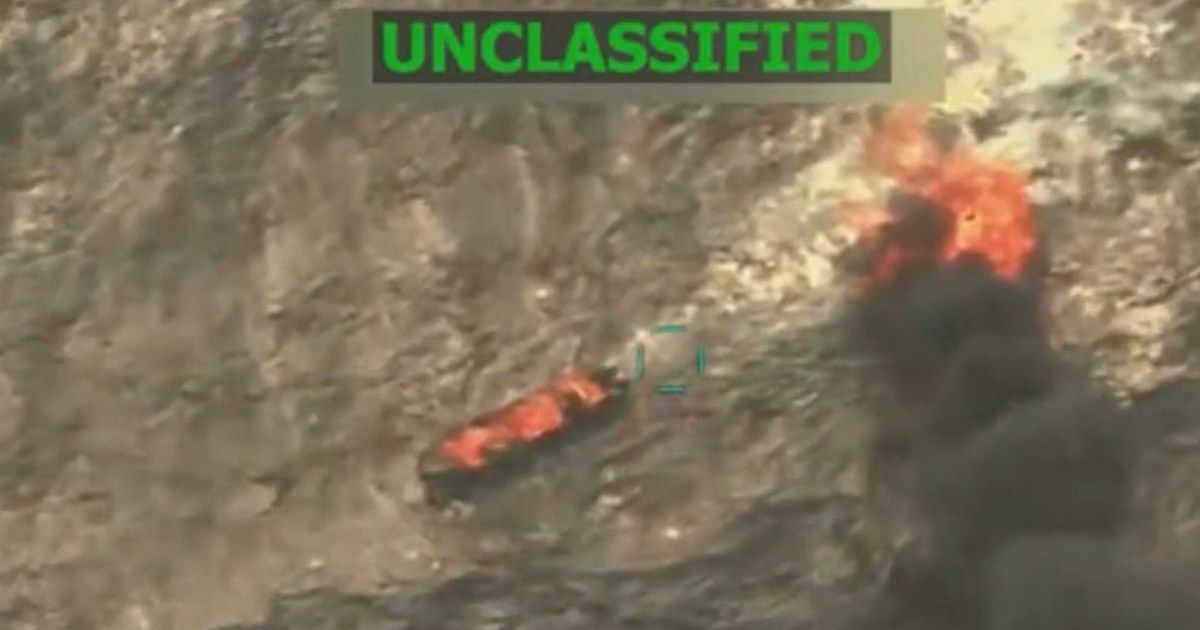
The mounting international dispute centers on a series of high-seas military engagements conducted by United States forces in international waters. Washington has increasingly deployed kinetic military assets to interdict and destroy vessels alleged to be ferrying illicit narcotics toward North American shores. While the White House and the Department of Defense maintain that these operations fall squarely within the scope of legitimate national defense and counter-narcotics enforcement, international legal scholars and United Nations human rights investigators have voiced profound alarm.
The core of the controversy lies in the doctrine of proportionality and the use of lethal force outside of declared armed conflict. Under international maritime law and human rights frameworks, kinetic strikes against non-state actors must adhere to strict standards of necessity and due process. The United Nations special rapporteurs argue that summary destruction of vessels and the resultant loss of life without judicial recourse bypass established legal protections, potentially establishing a dangerous precedent for state-sanctioned extrajudicial actions on the high seas.
[Global Trade](/news/london-fashion-week-repositions-beyond-uk-borders-amid-global-trade-shifts) & Economic Ripples
While ostensibly focused on security and anti-narcotics enforcement, these aggressive maritime operations carry latent implications for global shipping lanes, commercial logistics, and commodity transit corridors. The escalation of naval patrols and kinetic engagements in vital transit zones introduces operational uncertainty for commercial shipping operators navigating major maritime choke points. Insurance underwriters and maritime risk assessment firms are closely monitoring the situation, as heightened military activity in busy trade corridors raises war-risk premiums and forces vessel operators to consider costly route diversions.
Furthermore, the broader geopolitical friction resulting from unilateral enforcement actions can spill over into multilateral trade negotiations and regulatory cooperation. International supply chains rely heavily on predictable, rules-based governance of international waters. When major global powers adopt enforcement postures that challenge established conventions of the Law of the Sea, it fosters an environment of regulatory fragmentation that complicates global commerce and transnational logistics management.
Related Intelligence: White House Launches Streaming Channel Following US Network Boycott
International Reactions & Diplomatic Stances
The stance adopted by the United Nations has drawn sharp diplomatic lines across the international community. Multilateral bodies have called for immediate transparency and a comprehensive review of the rules of engagement governing US maritime operations. Human rights organizations have echoed these sentiments, demanding that counter-narcotics strategies remain strictly tethered to international humanitarian law and due process standards.
Conversely, Washington remains resolute in its defensive posture. Administration officials emphasize the unprecedented domestic mortality rates driven by synthetic opioids and transnational cartels, framing the maritime interdiction campaign as an existential security imperative. Allied nations have expressed quiet concern over the potential legal fallout, balancing their commitment to international law against the shared global objective of dismantling transnational drug syndicates.
Strategic Outlook & Future Scenarios
Looking ahead, the trajectory of this dispute will likely depend on upcoming diplomatic engagements at the United Nations General Assembly and specialized maritime security forums. If Washington continues its kinetic interdiction policy without addressing UN human rights concerns, the friction could lead to formal diplomatic resolutions, censure motions, or legal challenges in international tribunals.
For global commodity markets and international trade participants, the primary risk involves potential tit-for-tat regulatory measures or heightened security postures by other littoral states seeking to emulate US enforcement strategies. Navigating this evolving geopolitical landscape will require businesses to maintain rigorous maritime intelligence capabilities and flexible logistics planning to mitigate unexpected transit disruptions.
Join Our Official WhatsApp Channel
Receive live commodity alerts, policy changes, and commercial intelligence directly on WhatsApp.