
MI5 Warns UK Academics Over Chinese Funding and Espionage Risks
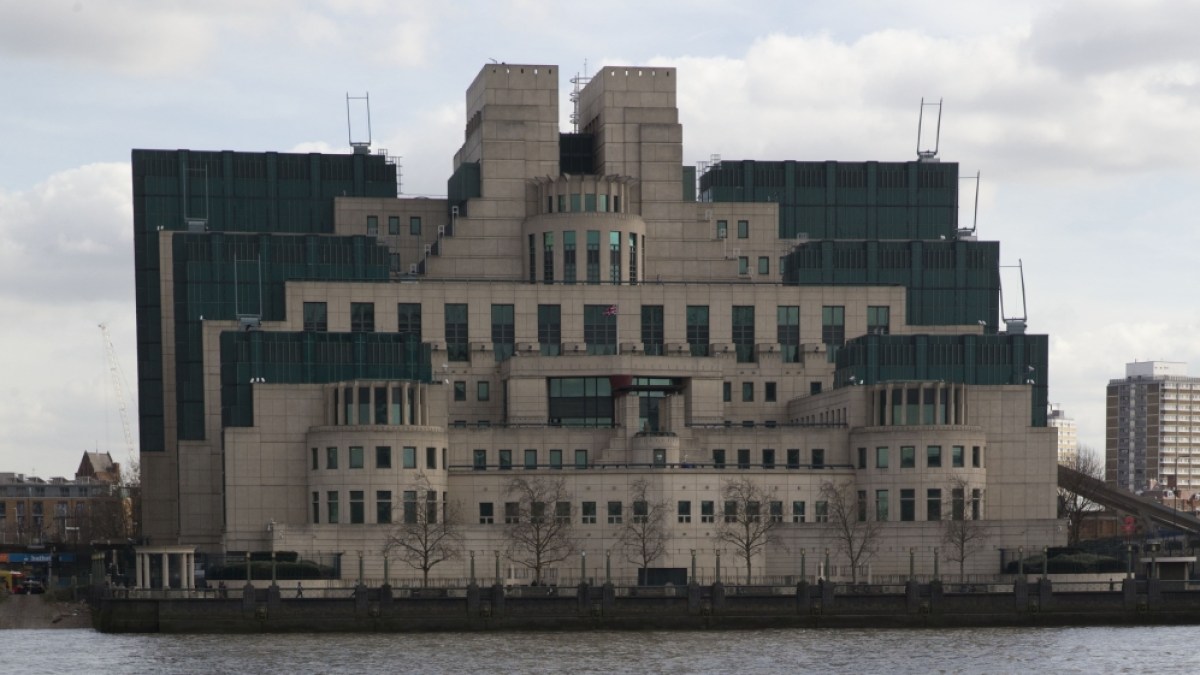
UK intelligence agency MI5 has cautioned British universities against accepting research funding from targeted Chinese institutions, citing severe risks of technology transfer and state-sponsored espionage.
Geopolitical & Core Developments
The United Kingdom’s domestic intelligence agency, MI5, has issued an urgent and explicit warning to British academic institutions, urging them to sever research ties with specific Chinese organizations accused of advancing Beijing’s state espionage capabilities. The security directive underscores a widening gulf between Western democratic states and the People's Republic of China regarding the safeguarding of critical intellectual property, emerging dual-use technologies, and sensitive scientific research.
According to intelligence assessments, certain Chinese research institutes and funding bodies maintain deep structural links with China's military-industrial complex. By channeling capital into advanced UK-based laboratories working on artificial intelligence, quantum computing, aerospace engineering, and advanced materials, these entities allegedly seek to harvest cutting-edge innovations for strategic state advantage. The MI5 advisory outlines how seemingly benign academic collaborations can be co-opted to serve foreign intelligence objectives, prompting a fundamental reassessment of open academic exchange models that have long characterized Western higher education.
Global Trade & Economic Ripples
While ostensibly focused on national security, the crackdown on academic partnerships carries profound implications for global trade, high-tech supply chains, and international capital flows. Modern commercial markets are deeply intertwined with academic research, particularly in semiconductor design, green energy technology, and pharmaceuticals. As Western governments impose tighter export controls and vetting mechanisms on cross-border research funding, multinational corporations must navigate a more fragmented global innovation landscape.
The tightening of academic ties risks accelerating the technology decoupling between the West and China. Companies operating in global commodity and high-tech markets face increased regulatory compliance costs, extended approval timelines for research commercialization, and potential supply chain disruptions in critical sectors. Furthermore, the restriction of international talent and capital flows may force a reallocation of research and development budgets, altering the competitive dynamics of global industries ranging from renewable energy components to advanced microelectronics.
Related Intelligence: Pakistan Cuts Fuel Prices Marginally Amid Stabilizing Global Markets
International Reactions & Diplomatic Stances
The MI5 warning reflects a broader, coordinated transatlantic posture toward countering economic espionage and foreign interference. Similar measures have been advanced by intelligence and security apparatuses in the United States, Canada, and Australia, signaling a unified Western approach to protecting sovereign technological ecosystems. Major multilateral forums, including G7 security dialogues, have increasingly emphasized the doctrine of de-risking rather than outright decoupling, aiming to balance economic engagement with robust defensive measures.
In response to mounting Western scrutiny, officials in Beijing have consistently rejected accusations of state-sponsored espionage, characterizing the security warnings as manifestations of Cold War mentality, protectionism, and unjustified political bias against legitimate scientific cooperation. Representatives from Chinese academic bodies have argued that international research partnerships are mutually beneficial and essential for addressing global challenges such as climate change and public health.
Strategic Outlook & Future Scenarios
Looking ahead, the friction between academic openness and national security is poised to intensify, shaping diplomatic relations and economic policy well into the decade. British universities will likely face mandatory compliance frameworks, enhanced background checks for foreign researchers, and stricter audits of international donations and research grants. Failure to comply with these emerging regulatory standards could result in the revocation of research licenses and the freezing of state-backed innovation grants.
For global markets, this trajectory points toward a permanent restructuring of international scientific cooperation, where geopolitical alignment increasingly dictates commercial viability. Upcoming diplomatic summits and trade negotiations will likely incorporate stringent provisions regarding data security, intellectual property protection, and technology transfer restrictions, cementing a more guarded era of global commerce and technological competition.
Join Our Official WhatsApp Channel
Receive live commodity alerts, policy changes, and commercial intelligence directly on WhatsApp.