
Pakistan Cuts Fuel Prices Marginally Amid Stabilizing Global Markets
The Pakistani government has announced a marginal reduction in petroleum prices, lowering petrol by Re0.14 and high-speed diesel by Rs1.89 per litre.
The Core Development
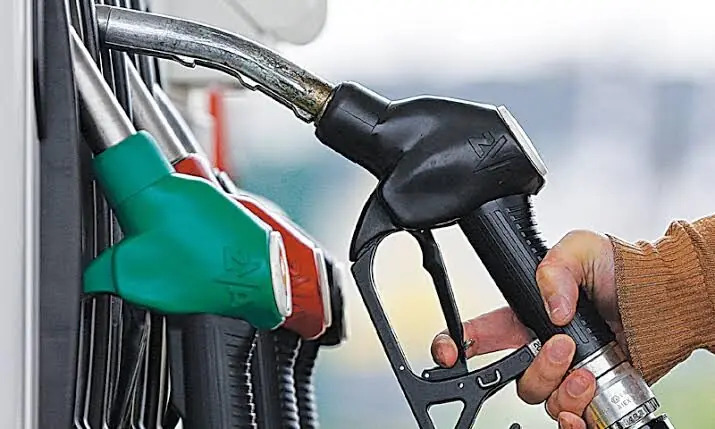
The federal government, acting on the recommendations of the Oil and Gas Regulatory Authority (OGRA), has announced a slight downward revision in the ex-depot prices of key petroleum products for the upcoming fortnightly review. According to the official notification issued by the Ministry of Energy, the price of petrol has been trimmed by a negligible Re0.14 per litre, while high-speed diesel (HSD) has witnessed a more pronounced decrease of Rs1.89 per litre. This adjustment reflects the recent fluctuations in Platt's Singapore benchmarks and the relative stability of the Pakistani Rupee against the US dollar over the preceding fortnight. The revised pricing structure takes effect immediately across all major distribution hubs, including Karachi, Lahore, Islamabad, and Peshawar, setting a new benchmark for retail petroleum marketing companies.
Commercial & Economic Implications
While any downward movement in energy prices is typically welcomed by consumers, the nominal reduction in petrol by fourteen paisas is expected to have a negligible impact on headline inflation and commuter transport costs. However, the nearly two-rupee reduction in high-speed diesel carries greater economic weight. HSD is the primary fuel powering Pakistan's heavy transport sector, agricultural tubewells, and freight logistics. A lower diesel tariff offers marginal relief to supply chain operators, potentially exerting downward pressure on inter-city freight rates and the wholesale distribution of essential food commodities. Despite these adjustments, industrial and domestic consumers continue to grapple with elevated baseline energy tariffs, meaning overall inflationary pressures remain largely unmitigated by these incremental price trims.
Related Intelligence: UK Airbase Security Scare Dissipates as Petrol Replaces Explosives in Police Probe
Stakeholder Perspectives & Market Reactions
Business councils and transport associations have offered mixed reactions to the announcement. Representatives from major goods transport unions noted that while the reduction in high-speed diesel is a step in the right direction, it falls short of compensating for the cumulative hikes accumulated over previous quarters. Meanwhile, retail petroleum dealers expressed concern over shrinking profit margins amidst rising operational overheads, electricity tariffs, and security compliance costs. Economic analysts suggest that the government's cautious approach stems from the stringent fiscal benchmarks agreed upon with international financial institutions, leaving little fiscal space for substantial consumer subsidies or deeper tax cuts on petroleum levies.
Forward Outlook & Key Watchpoints
Looking ahead, market participants will closely monitor geopolitical developments in the Middle East and subsequent movements in global crude benchmarks, which remain the primary determinant of Pakistan's import parity pricing formula. The upcoming fortnightly review will serve as a critical barometer for whether international oil prices will sustain their current softening trend or reverse course due to supply constraints. Furthermore, policymakers will track the pass-through effect of the diesel price reduction on core inflation indices and agricultural input costs ahead of the upcoming harvest season, ensuring that retail markets align with notified ex-depot rates.
Join Our Official WhatsApp Channel
Receive live commodity alerts, policy changes, and commercial intelligence directly on WhatsApp.