
Mexico Demands Proof on Border Shooting Amid US Troop Deployment
Mexican President Claudia Sheinbaum has demanded concrete evidence from Washington regarding a disputed border shooting that triggered a unilateral US troop deployment, straining bilateral security ties.
Geopolitical & Core Developments
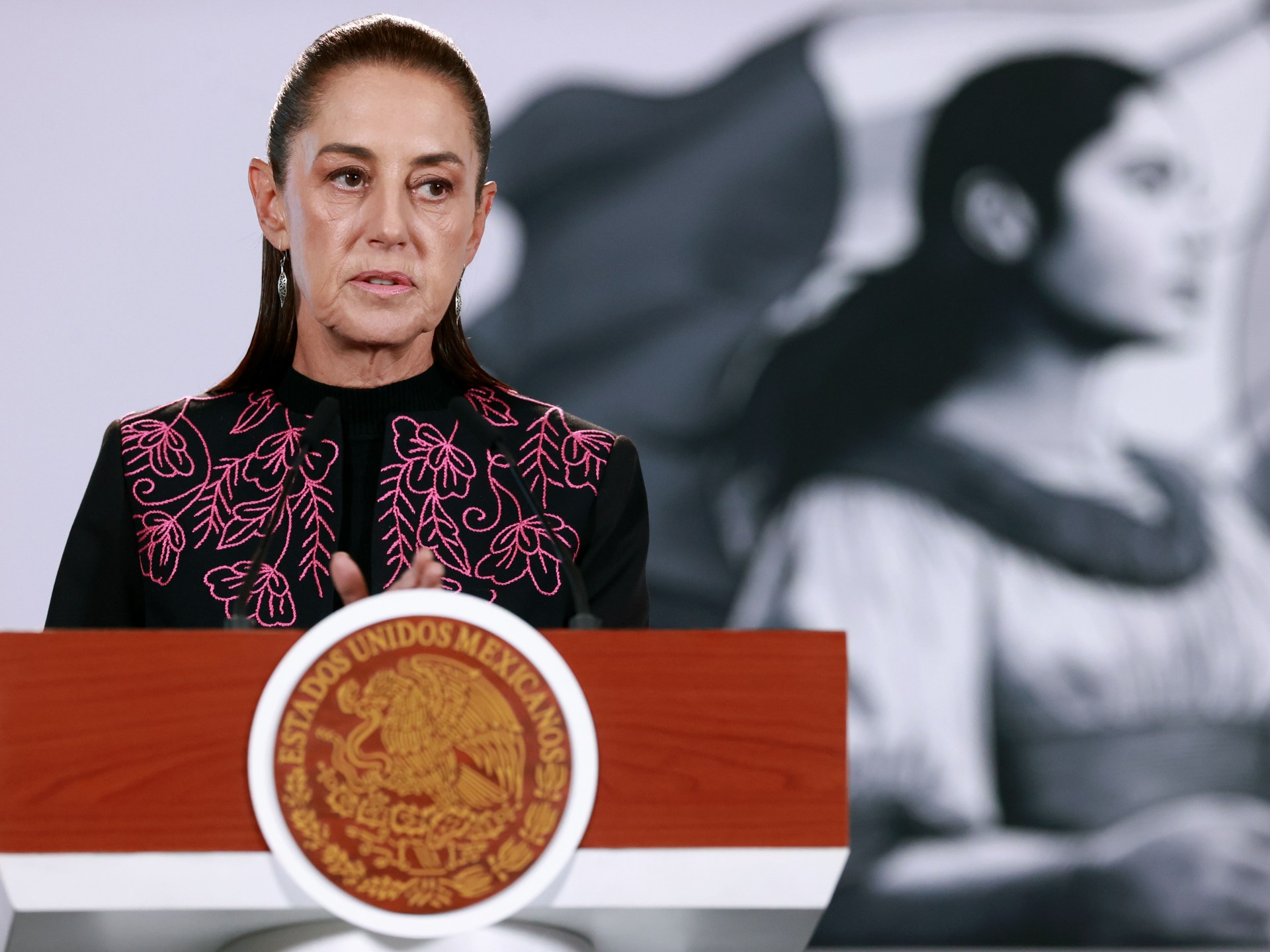
President Claudia Sheinbaum of Mexico has formally requested comprehensive evidence from United States authorities following a disputed border shooting incident that prompted an immediate deployment of US military personnel to the shared frontier. The escalation marks a delicate juncture in bilateral relations, as Mexico City pushes back against what it perceives as an overreach of traditional security protocols. The incident centers on an exchange near the border zone, the details of which remain heavily contested by local law enforcement and federal agencies on both sides. President Sheinbaum emphasized during her morning press briefing that sovereignty and mutual respect must govern cross-border security operations, signaling that unilateral military postures undermine established cooperative frameworks.
The deployment of US troops to the international boundary has reactivated long-standing sensitivities concerning sovereignty and foreign intervention in Mexican domestic affairs. Historically, security collaboration between Washington and Mexico City has relied on intelligence sharing, coordinated law enforcement, and strict adherence to territorial boundaries. The sudden introduction of military assets without prior joint verification has alarmed Mexican diplomats, who argue that such measures bypass diplomatic channels and risk inflaming regional tensions. As both administrations navigate this diplomatic friction, intelligence agencies are under pressure to reconcile conflicting accounts of the border engagement before it metastasizes into a broader political crisis.
Global Trade & Economic Ripples
Beyond the immediate diplomatic fallout, the border standoff carries substantial implications for North American supply chains and international trade corridors. The United States-Mexico-Canada Agreement (USMCA) underpins billions of dollars in daily commerce, relying heavily on seamless transit across commercial ports of entry such as Laredo, El Paso, and Tijuana. Any political friction that results in heightened security inspections, militarized slowdowns, or retaliatory trade measures threatens to disrupt just-in-time manufacturing networks, particularly in the automotive, electronics, and agricultural sectors. Global commodity markets, sensitive to logistics bottlenecks, have begun pricing in potential freight delays along the southern US border.
Furthermore, currency markets have registered subtle jitters, with the Mexican peso experiencing heightened volatility against the US dollar as investors weigh the economic costs of a prolonged diplomatic chill. Energy trade, including cross-border petroleum pipelines and refined product shipments, also remains vulnerable to regulatory tightening or political posturing. Commercial stakeholders and multinational logistics firms are actively reviewing contingency routing to mitigate potential border congestion. Analysts warn that if security disputes escalate into trade restrictions or stringent border closures, the resulting friction could reverberate through global industrial supply chains, driving up operational costs for manufacturers operating across the North American free-trade zone.
Related Intelligence: Pakistan Adjusts Fuel Prices with Minor Petrol Hike and Diesel Relief
International Reactions & Diplomatic Stances
International observers and multilateral bodies are monitoring the unfolding diplomatic standoff with cautious concern, urging both Washington and Mexico City to prioritize de-escalation and bilateral dialogue. Trade associations and chambers of commerce on both sides of the border have issued joint statements calling for the separation of security disputes from commercial transit, emphasizing that the economic well-being of millions of citizens depends on open borders. Meanwhile, regional analysts note that President Sheinbaum is balancing domestic political imperatives—which demand a firm defense of national sovereignty—with the pragmatic necessity of maintaining a stable, constructive relationship with Mexico's largest trading partner.
Diplomatic channels remain active as foreign ministry officials work to establish a transparent, joint fact-finding mechanism to investigate the catalyst for the border shooting. While Washington maintains that the troop deployment is a necessary measure to ensure regional security and stem illicit trafficking, Mexico City insists that accountability and adherence to international norms are non-negotiable prerequisites for ongoing cooperation. The disparity in official narratives underscores the structural challenges facing bilateral security architecture, even as both capitals recognize the imperative of avoiding a full-scale diplomatic rupture.
Strategic Outlook & Future Scenarios
Looking ahead, the trajectory of US-Mexico relations will largely depend on the findings of the joint evidence review and the willingness of both administrations to recalibrate their security cooperation frameworks. Upcoming bilateral summits and ministerial meetings will serve as critical testing grounds for resolving the current impasse. If handled diplomatically, the crisis could prompt a modernized, more transparent security pact that respects Mexican sovereignty while addressing US border security concerns. Conversely, failure to reach a consensus could lead to prolonged political posturing, increased militarization of the frontier, and persistent friction that adversely affects regional stability and international commerce.
Join Our Official WhatsApp Channel
Receive live commodity alerts, policy changes, and commercial intelligence directly on WhatsApp.