
France Braces for Nationwide School Protests Amid Escalating Social Tensions
France prepares for widespread educational strikes and protests following violent clashes, raising concerns over domestic stability and economic impacts.
Geopolitical & Core Developments
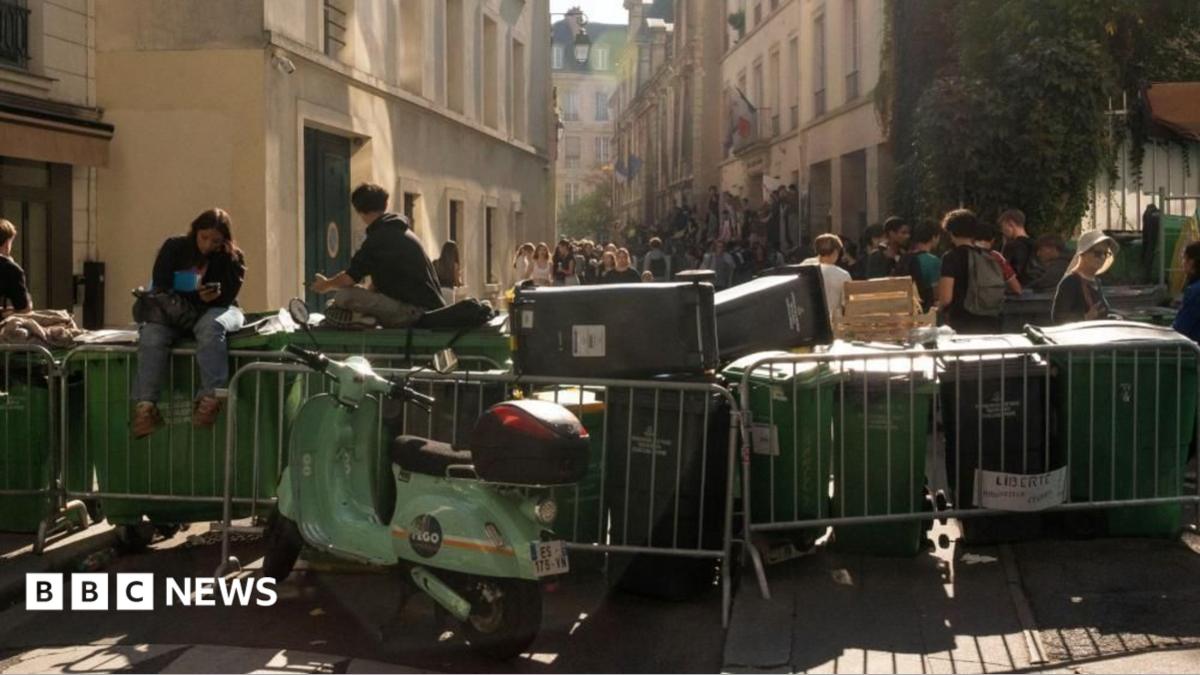
France is bracing for a highly volatile national day of action as student organizations, backed by influential labor unions, prepare for widespread demonstrations demanding increased state investment in public education. The mobilization follows weeks of mounting friction between student groups and the government of President Emmanuel Macron. What began as localized walkouts over classroom sizes, staffing shortages, and deteriorating infrastructure has rapidly escalated into a broader anti-government movement. Recent protests in major urban hubs—including Paris, Marseille, and Lyon—have descended into clashes with security forces, resulting in scores of injuries, widespread property damage, and hundreds of preventative mass arrests.
The Ministry of the Interior has deployed heavy police reinforcements around key educational institutions and administrative centers, signaling a zero-tolerance approach to public disorder. However, critics argue that the heavy-handed security response risks further alienating youth and exacerbating civil unrest. The government finds itself caught in a delicate balancing act: maintaining public order and fiscal discipline while addressing the structural grievances of a disgruntled public sector. As the strike date approaches, the confrontation has transformed into a litmus test for the administration's ability to govern through profound social discontent without resorting to authoritarian measures that could trigger wider political fallout.
[Global Trade](/news/black-sea-grain-strike-escalates-maritime-risks-global-trade) & Economic Ripples
While localized student protests primarily concern domestic social policy, the broader economic ramifications of prolonged civil unrest in a core Eurozone economy carry significant international weight. France represents the second-largest economy in the European Union, and widespread transportation blockades, localized strikes, and disruptions to commercial activity inevitably ripple across continental supply chains. Investors monitor French domestic stability closely, as prolonged political uncertainty frequently translates into downward pressure on the Euro and heightened volatility in French sovereign debt markets.
Furthermore, the intersection of educational strikes with broader labor discontent over pension reforms and cost-of-living pressures creates a compounding risk for commercial logistics. Freight transport, public transit, and port operations in key logistical nodes frequently experience secondary disruptions when nationwide mobilization occurs. International commodities traders and multinational corporations operating within France are recalibrating their risk models to account for potential logistical bottlenecks, workforce absenteeism, and localized supply chain interruptions that could impact quarterly output and intra-European trade flows.
Related Intelligence: Pentagon Halts Anthropic AI Use Following Supply Chain Risk Designation
International Reactions & Diplomatic Stances
International observers, including officials within the European Commission and neighboring European capitals, are closely monitoring the unfolding situation in France with cautious apprehension. While multilateral bodies generally classify the protests as an internal domestic matter, international human rights organizations have voiced concern over the high volume of arrests and the tactics employed by law enforcement during recent clashes. The Council of Europe has periodically reminded member states of the necessity of upholding the right to peaceful assembly, even amidst escalating security challenges.
Financial analysts and credit rating agencies have also weighed in on the socio-political climate in France. Major institutions have noted that persistent domestic unrest complicates the government's fiscal consolidation path, making it increasingly difficult to implement structural reforms required by EU budgetary rules. International investors are assessing whether the current wave of protests will translate into a protracted period of political paralysis, potentially diminishing France's economic clout within multilateral policy-making forums and altering foreign direct investment trajectories across Western Europe.
Strategic Outlook & Future Scenarios
Looking ahead, the trajectory of the French student movement will likely depend on the willingness of the government to engage in substantive negotiations regarding public sector funding. If authorities offer financial concessions or initiate credible educational reforms, tensions may subside. However, if the administration holds firm on its fiscal targets while maintaining a heavy security posture, the protests could merge with broader labor grievances, culminating in a generalized strike wave reminiscent of historical French social upheavals.
Upcoming legislative debates and regional budget allocations will serve as critical flashpoints in the coming weeks. A failure to de-escalate the situation risks deepening political polarization ahead of upcoming electoral cycles, potentially emboldening populist factions on both the political left and right. For international markets and strategic partners, stability in Paris remains a vital pillar of European cohesion; consequently, the outcome of France's domestic reckoning will be analyzed far beyond its borders as a bellwether for Western democratic governance under economic strain.
Join Our Official WhatsApp Channel
Receive live commodity alerts, policy changes, and commercial intelligence directly on WhatsApp.