
West Bank Escalation Threatens Wider Middle East Stability and Trade
Intensifying military operations in the occupied West Bank compound regional instability, injecting fresh volatility into global energy markets and international trade routes.
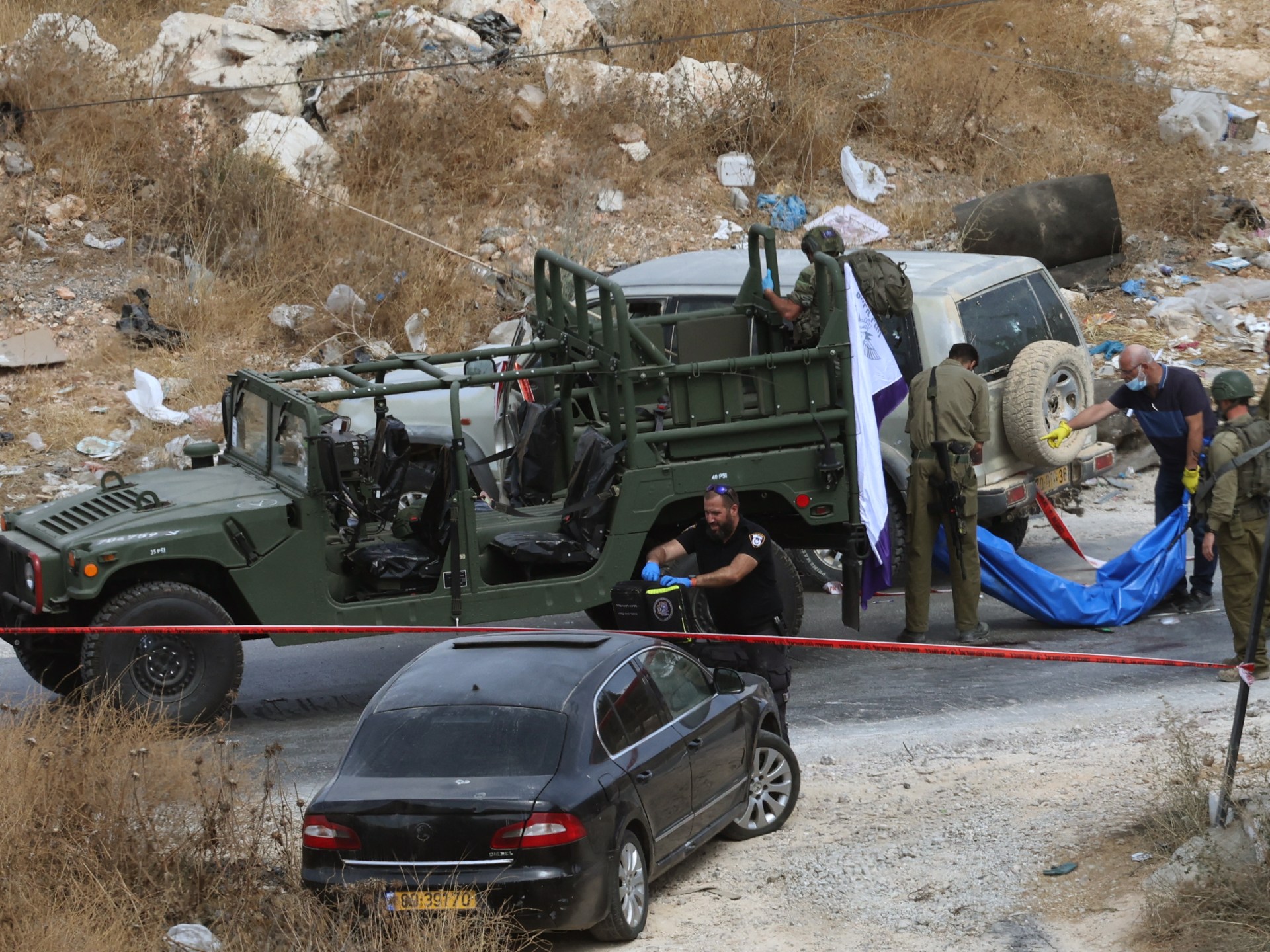
Geopolitical & Core Developments
The security landscape across the occupied West Bank has deteriorated significantly following a series of lethal military raids by Israeli forces, resulting in multiple casualties and deepening the humanitarian crisis in the territory. This localized escalation does not occur in a vacuum; it runs parallel to the protracted conflict in Gaza, creating a multi-front pressure cooker that severely strains diplomatic frameworks and security architectures across the Levant. State actors and regional observers note that the systematic intensification of raids, restrictions on movement, and administrative measures are fundamentally altering the political terrain. Diplomatic channels between Palestinian authorities, regional mediators, and international stakeholders have stalled, as trust erodes under the weight of mounting fatalities and infrastructure destruction. The strategic stakes extend far beyond immediate security concerns, threatening to ignite broader asymmetric engagements involving regional proxy networks and state-level actors.
Global Trade & Economic Ripples
While direct physical disruption to commercial supply chains within the West Bank remains localized, the broader economic ramifications for global commodity markets and international shipping lanes are profound. The Middle East accounts for a vital share of global energy production and acts as a primary maritime transit corridor via the Red Sea, the Suez Canal, and the Persian Gulf. Escalating violence in the West Bank feeds directly into regional threat perceptions, driving up marine insurance premiums and forcing shipping conglomerates to continuously reassess transit risks. Energy markets, particularly crude oil and liquefied natural gas futures, remain highly sensitive to geopolitical shocks originating in the Levant and the broader Gulf region. Any expansion of the conflict risks choking critical maritime choke points, driving immediate spikes in global energy pricing, inflating transportation costs, and exerting upward pressure on international inflation metrics.
Related Intelligence: Israel Advances West Bank Reservoir Project Amid Palestinian Water Supply Concerns
International Reactions & Diplomatic Stances
The international community remains sharply divided over the trajectory of the conflict, complicating coordinated diplomatic interventions. The United Nations has repeatedly voiced grave concern over the disproportionate use of force and the expansion of settlement activities, warning that systemic violations of international law undermine the viability of a two-state solution. Western capitals have urged restraint, calling for immediate de-escalation and the protection of civilians, yet they face severe criticism from the Global South for perceived inconsistencies in enforcing international norms. Meanwhile, regional powers have intensified bilateral consultations to prevent spillover effects, though consensus on an actionable ceasefire framework remains elusive. Market analysts caution that persistent diplomatic paralysis leaves international commerce increasingly vulnerable to sudden geopolitical shocks.
Strategic Outlook & Future Scenarios
Looking ahead, the trajectory of the West Bank conflict points toward sustained friction, with a high probability of episodic flare-ups rather than structural resolution. Upcoming diplomatic summits and international forums will likely feature intense rhetoric regarding humanitarian access and accountability, but substantive policy shifts remain unlikely in the near term. Should the security situation deteriorate further into widespread civil unrest or trigger a coordinated multi-front escalation involving regional militias, the global economy could witness severe disruptions in energy supply and capital flows. Investors and commodity traders are advised to maintain robust risk-management protocols, factoring persistent geopolitical premiums into forward-looking strategies as the Middle East navigates a protracted period of strategic uncertainty.
Join Our Official WhatsApp Channel
Receive live commodity alerts, policy changes, and commercial intelligence directly on WhatsApp.