
Pakistan Adjusts Fuel Prices with Minor Petrol Hike and Diesel Relief
The government has marginally increased petrol prices by Re0.88 while reducing high-speed diesel rates by Rs1.88 per litre in the latest fortnightly review.
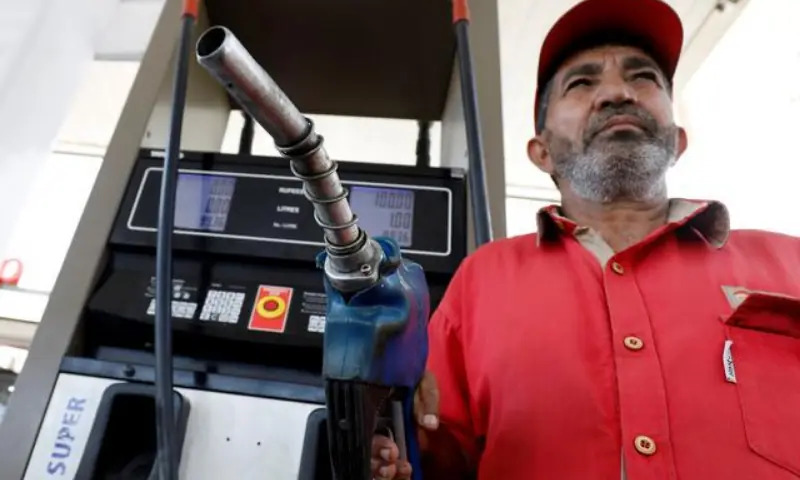
The Core Development
The federal government has announced a modest adjustment to petroleum product prices for the upcoming fortnight, balancing international market trends with domestic fiscal imperatives. According to the official notification issued following recommendations from the Oil and Gas Regulatory Authority (OGRA) and the Ministry of Energy, the price of petrol (MS) has been increased by Re0.88 per litre. Conversely, consumers received some relief on high-speed diesel (HSD), with its rate witnessing a downward revision of Rs1.88 per litre.
The revised pricing structure comes into immediate effect, altering retail fuel costs across major urban centers and remote distribution networks alike. The adjustment follows the standard fortnightly review mechanism mandated by the government, wherein petroleum levies, custom duties, and Brent crude price averages on global exchanges are factored into the final ex-depot rates. While the petrol hike represents a fractional upward tick, the diesel reduction is expected to provide some cushion to heavy transport sectors operating across national supply chains.
Commercial & Economic Implications
Energy pricing remains a critical macroeconomic determinant in Pakistan, directly influencing headline inflation, transport tariffs, and the cost of doing business. High-speed diesel is predominantly utilized by the agriculture sector for tractors and tubewells, as well as by the logistics and freight industry for goods transportation. The Rs1.88 per litre reduction in HSD could yield marginal cost compressions for freight operators, potentially stabilizing or reducing cartage rates for essential commodities moving between major port terminals like Karachi and upcountry markets.
On the other hand, the slight increase in petrol prices directly impacts commuter traffic, two-wheelers, and private vehicle owners who form the backbone of urban mobility. Although the Re0.88 increment is minor, cumulative inflationary pressures from previous adjustments continue to stretch household disposable incomes. Retailers and wholesale distributors note that while transport fuel costs dictate retail price volatilities, secondary impacts on warehousing and local distribution remain sensitive to broader macroeconomic stability, currency fluctuations, and petroleum levy collections.
Related Intelligence: Pentagon Halts Anthropic AI Use Following Supply Chain Risk Designation
Stakeholder Perspectives & Market Reactions
Industry representatives, transport associations, and trade bodies have reacted with measured pragmatism to the latest price notification. While transport federations welcomed any downward revision in diesel rates—citing soaring operational expenditures, spare parts inflation, and toll taxes—they emphasized that structural fuel pricing reforms are necessary to achieve long-term economic predictability.
Financial analysts point out that the government is navigating a tight fiscal corridor under international financial institution programs, where petroleum levies serve as a reliable revenue generation tool to meet fiscal deficit targets. Consequently, complete pass-through of global price dips is rarely mirrored locally, as authorities must safeguard tax collection streams while attempting to insulate vulnerable economic strata from extreme price volatility.
Forward Outlook & Key Watchpoints
As global crude oil benchmarks continue to fluctuate amid geopolitical developments and shifting OPEC+ production quotas, future fortnightly reviews will remain closely tied to international supply-demand dynamics. Market observers and corporate strategists will monitor the upcoming consumer price index (CPI) figures to gauge the direct transmission of these energy adjustments into broader market inflation.
Policy enforcement regarding quality standards, ex-depot price compliance, and prevention of artificial hoarding by retail pump owners will remain vital regulatory focal points for OGRA and district administrations across the country in the coming weeks.
Join Our Official WhatsApp Channel
Receive live commodity alerts, policy changes, and commercial intelligence directly on WhatsApp.