
Manchester United Defeat Exposes Broader Sovereign Wealth Sports Investment Strains
Following a 2-0 European loss to Atletico Madrid, Manchester United defender Lisandro Martinez condemned the board's capital allocation strategy, highlighting deeper financial strains across international sports entertainment assets.
Geopolitical & Core Developments
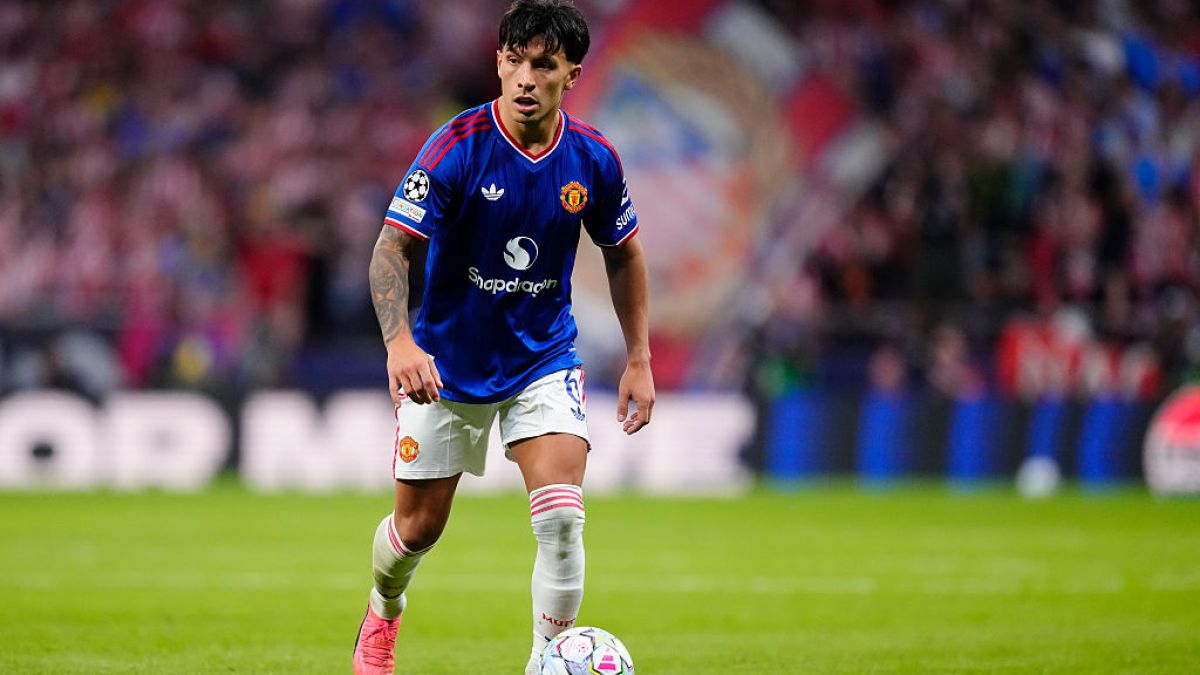
Manchester United's 2-0 defeat against Atletico Madrid has triggered an internal corporate crisis, with Argentine international defender Lisandro Martinez issuing public criticisms regarding executive governance and chronic underinvestment. The confrontation exposes systemic operational friction within one of the world's most valuable sports franchises, operating at the intersection of transatlantic private equity, sovereign wealth aspirations, and shifting cross-border corporate control.
The defeat in Madrid brought operational discontent to the forefront as Martinez openly questioned the leadership's commitment to fielding a competitive roster on the European stage. European club football functions as a high-stakes geopolitical soft-power instrument, wherein British, American, and Middle Eastern institutional capital actively vie for prestige and market dominance. United's inability to maintain parity with continental peers demonstrates structural delays in organizational modernization, player recruitment infrastructure, and facility investment, accelerating investor impatience among international shareholders.
Global Trade & Economic Ripples
Elite sports assets operate as multidimensional corporate engines tied directly to international broadcasting rights, global consumer retail merchandise, and cross-border commercial sponsorship portfolios. A sustained competitive decline for premier English Premier League franchises directly threatens the downstream value of lucrative multi-year media distribution rights negotiated across North American, Asian, and European consumer hubs.
Furthermore, institutional sports funds and sovereign entities face shifting regulatory frameworks in financial fair play and sovereign ownership scrutiny. Capital allocation delays observed at Manchester United indicate tighter liquidity considerations amid high global interest rates and debt servicing costs. Corporate brand valuations in the sports entertainment segment depend heavily on sustained access to elite UEFA tournaments. Structural underperformance limits projected enterprise valuations, creating ripple effects across secondary retail markets, international tour logistics, and corporate debt syndicates backing sports acquisitions.
Related Intelligence: Sovereign Wealth Sport Investments Face Scrutiny Amid Manchester City Legal Battle
International Reactions & Diplomatic Stances
Corporate and market analysts have reacted swiftly to the unprecedented public reprimand from senior squad leadership. Investment analysts tracking global media and leisure equities noted that operational instability threatens long-term equity multiples, particularly as rival clubs backed by sovereign entities continue to execute aggressive capital deployment programs.
Industry governance bodies, including European football regulators, continue to monitor how premier franchises balance substantial debt obligations against competitive spending thresholds. Former executives and asset managers familiar with global sports portfolio operations noted that public declarations of internal discord typically foreshadow strategic boardroom restructuring, revisions to capital expenditure plans, or renewed pressures from minority equity holders seeking greater operational stewardship.
Strategic Outlook & Future Scenarios
In the near term, corporate leadership faces mounting shareholder pressure to address capital expenditure deficits during upcoming transfer windows. Continued competitive underperformance risks diminishing participation revenues from international tournaments, which serve as foundational pillars for forward-looking cash flow projections.
Over the medium term, franchises encountering structural underinvestment may become targets for ownership consolidation, minority buyout maneuvers, or strategic capital injections from non-traditional liquidity sources. As sovereign wealth funds and cross-border institutional private equity expand their footprint across global entertainment and athletics, clubs unable to streamline governance frameworks risk rapid loss of market capitalization, brand equity, and commercial relevance across competitive international arenas.
Join Our Official WhatsApp Channel
Receive live commodity alerts, policy changes, and commercial intelligence directly on WhatsApp.