
Mali Retakes Kidal as Tuareg Rebels Retreat Amid Russian-Backed Air Strikes
Malian forces and Russian allies recaptured the strategic northern town of Kidal following intense air strikes, forcing a tactical retreat by Tuareg rebels.
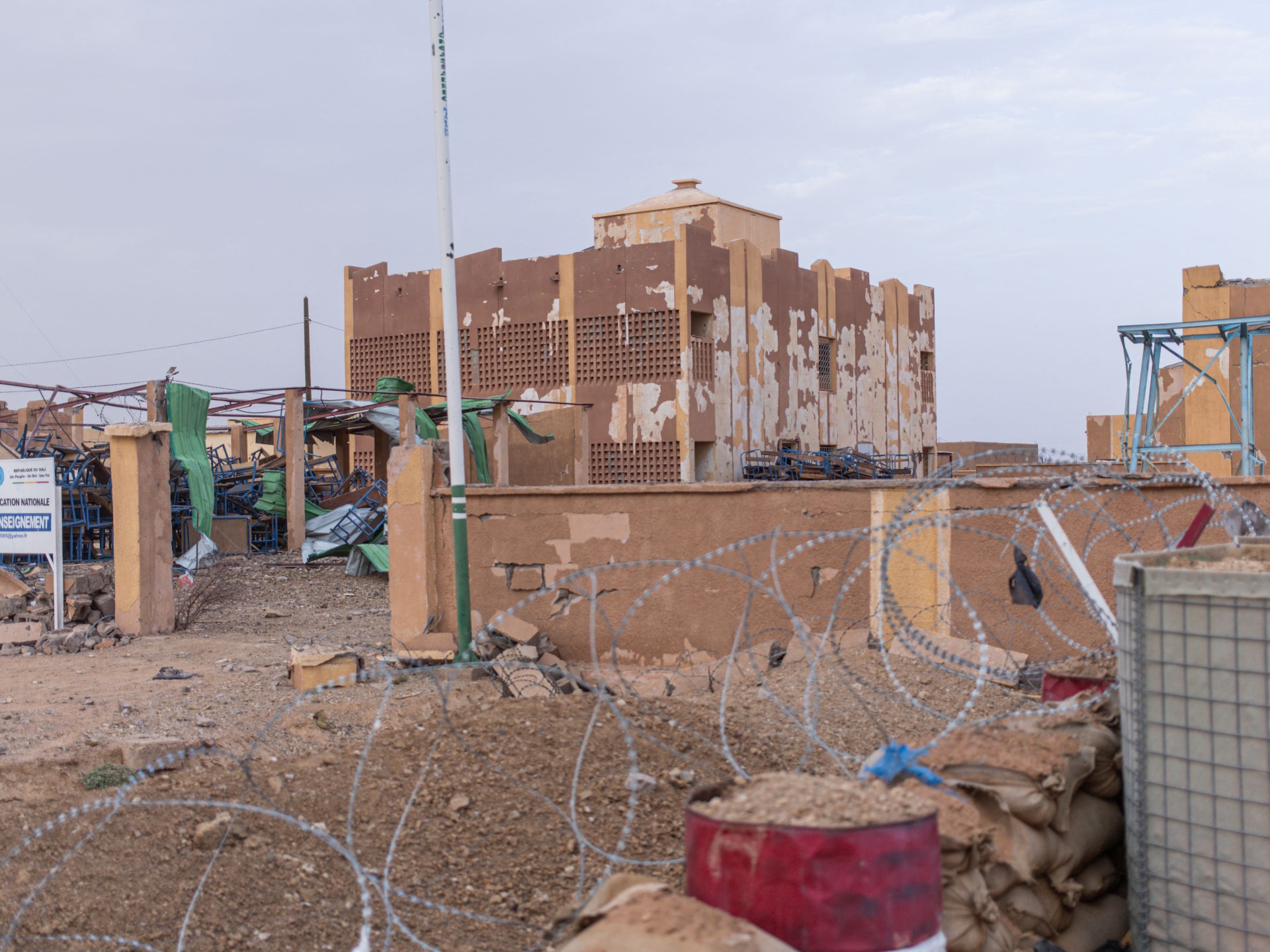
Geopolitical & Core Developments
Malian government forces, operating in direct coordination with Russian paramilitary allies, have successfully recaptured the strategic northern stronghold of Kidal. The development marks a watershed moment in Mali's prolonged and complex multi-sided conflict, which has destabilized the Sahel region for over a decade. The Permanent Strategic Framework (CSP), an alliance of predominantly Tuareg armed groups operating under the banner of the Azawad Liberation Front, confirmed its fighters executed a tactical withdrawal from the town following days of relentless aerial bombardments.
Kidal has long served as the epicenter of Tuareg separatism and a powerful symbol of state defiance against Bamako. The central government's reassertion of authority over the territory follows the departure of the United Nations Multidimensional Integrated Stabilization Mission in Mali (MINUSMA), whose expedited withdrawal created a security vacuum across the northern desert. The military junta in Bamako, which seized power in successive 2020 and 2021 coups, has staked its domestic legitimacy on reclaiming territorial integrity, increasingly relying on foreign military contractors to prosecute its counter-insurgency campaign independently of Western oversight.
Global Trade & Economic Ripples
While Kidal itself is primarily a desert administrative and historical hub rather than an industrial commercial center, the escalation of hostilities in northern Mali carries profound implications for global trade, mining investments, and regional supply chains. Mali is one of Africa's leading gold producers, with major industrial mines operated by multinational corporations clustered in the southern and western regions. However, the generalized state of insecurity, porous borders, and the threat of expanding insurgent activities threaten to inflate operational security expenditures across the broader West African mining sector.
Furthermore, the Sahelian transport corridors linking landlocked West African states to Mediterranean and coastal trade routes face heightened risks of disruption. Supply chain vulnerabilities directly impact the logistics of agricultural commodities, livestock trade, and cross-border commerce. International energy and mining firms operating in the wider region are re-evaluating risk matrices as geopolitical realignments alter the traditional security architecture supported by France and the European Union, replacing Western security umbrellas with opaque private military partnerships.
Related Intelligence: Yemeni Offensive Fails to Shift Strategic Balance Amid Global Supply Chain Risks
International Reactions & Diplomatic Stances
The international community has responded with cautious alarm to the rapidly deteriorating security dynamics and the shifting alliances in the Sahel. Western capitals have repeatedly expressed deep concern over the deployment of Russian security forces in Mali, citing human rights violations and the erosion of democratic transition frameworks. Conversely, the military administration in Bamako has defended its sovereign right to diversify security partnerships in the face of persistent jihadist insurgencies and separatist movements.
The United Nations has consistently urged all parties to adhere to international humanitarian law and resume political dialogue, warning that military-centric solutions will fail to address the underlying socioeconomic grievances of marginalized northern populations. Regional bodies such as the Economic Community of West African States (ECOWAS) continue to navigate a delicate diplomatic balance, attempting to exert pressure on the military junta to restore constitutional rule while managing the spillover effects of escalating regional violence.
Strategic Outlook & Future Scenarios
Looking ahead, the fall of Kidal is unlikely to signal a definitive end to the northern insurgency. Historically, Tuareg separatist factions have utilized asymmetric guerrilla warfare, leveraging the vast, inhospitable terrain of the Sahara and Sahel to regroup and launch counter-offensives. The withdrawal from urban centers points toward a protracted phase of desert skirmishes rather than a total capitulation of insurgent forces.
As Bamako consolidates its military gains with foreign backing, the risk of geopolitical fragmentation across the Sahel intensifies. Upcoming diplomatic summits will likely focus on containing the spread of radical Islamist violence, which frequently exploits local ethnic grievances and state fragility. Investors in strategic commodities must anticipate sustained volatility, stricter regulatory environments, and heightened geopolitical risk premiums across the broader West African mineral belt.
Join Our Official WhatsApp Channel
Receive live commodity alerts, policy changes, and commercial intelligence directly on WhatsApp.