
Macron Urges Calm as Violent French Civil Unrest Escalates Nationally
French President Emmanuel Macron has issued an urgent appeal for national order as widespread riots inflict heavy infrastructure damage, triggering international security concerns and economic strain.
Geopolitical & Core Developments
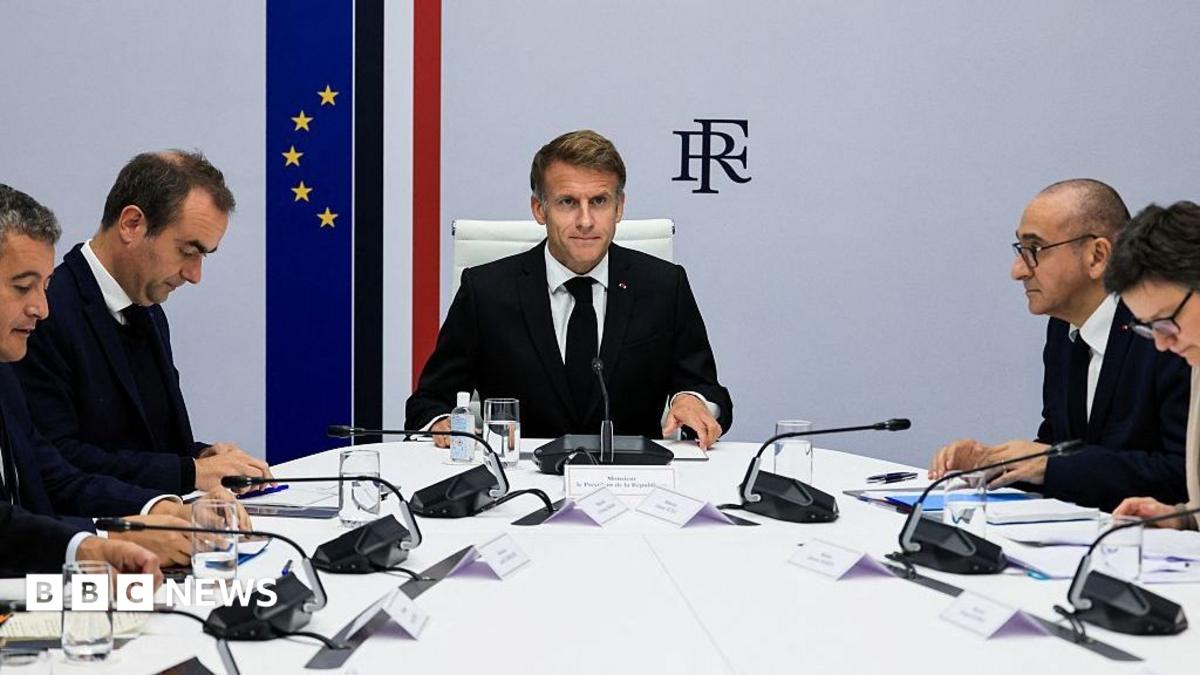
French President Emmanuel Macron has addressed the nation in a bid to restore domestic stability following several nights of escalating urban unrest that have overwhelmed regional security forces and left widespread municipal damage across major cities, including Paris, Marseille, and Lyon. Triggered by a fatal police shooting during a traffic confrontation in Nanterre, the violence rapidly metastasized from peripheral suburban clashes into coordinated assaults on police stations, town halls, retail corridors, and public transportation networks.
In his national televised address, Macron condemned the violence as unjustified while warning that the state would deploy exceptional measures to prevent the unrest from degenerating into prolonged systemic chaos. The Ministry of the Interior mobilized tens of thousands of police officers and specialized tactical units, implementing targeted curfews and suspending bus and tram services nationwide during evening hours. The strategic stakes for the Elysee Palace are acute: the administration is still contending with domestic political fractures following contentious pension reforms, and this eruption of unrest exposes deep socio-economic fault lines, challenging the executive government's institutional authority.
Global Trade & Economic Ripples
While localized civil unrest rarely disrupts upstream commodity production directly, the commercial ramifications for France—the European Union's second-largest economy—are mounting rapidly. The retail, hospitality, and public transit sectors have suffered immediate losses, with hundreds of commercial outlets looted and logistics corridors impeded. Business federations, including MEDEF, have warned that prolonged urban instability risks severely degrading consumer confidence during the peak summer tourism season, an industry that contributes roughly eight percent to French gross domestic product.
From a regional perspective, disruptions to key transportation nodes and urban freight corridors risk amplifying logistics friction throughout Western Europe. Sovereign debt markets have registered cautious monitoring, with institutional investors watching the spread between French OATs (Obligations Assimilables du Tresor) and German Bunds for signs of escalating political risk premiums. Although the euro has remained relatively stable against the US dollar, foreign exchange desks note that any protracted failure to quell the unrest could diminish foreign direct investment sentiment and weaken European equities exposed to consumer discretionary sectors.
Related Intelligence: Mumbai Gunfire Incident Sparks Regional Security and Cross-Border Entertainment Concerns
International Reactions & Diplomatic Stances
Foreign governments and international institutions have responded to the deteriorating situation with heightened caution. Several sovereign nations, including the United Kingdom, the United States, and Germany, updated their travel advisories, urging citizens abroad to exercise extreme vigilance, avoid public demonstrations, and prepare for disrupted transport links across urban France.
At the multilateral level, the Office of the United Nations High Commissioner for Human Rights urged the French government to address underlying systemic issues within law enforcement while underscoring the absolute necessity for protests to remain peaceful. Meanwhile, European counterparts have largely refrained from overt political intervention, treating the crisis as an internal security affair, though diplomatic officials privately acknowledge anxiety over the potential for social unrest to spill over into neighboring Francophone and Western European jurisdictions.
Strategic Outlook & Future Scenarios
Moving forward, the Elysee faces a narrow path toward de-escalation. The primary scenario envisions a progressive restoration of public order as intensified policing, youth curfews, and community mediation efforts suppress coordinated street violence over the coming days. Under this outcome, economic impacts would remain largely localized to property damages, insurance payouts, and short-term municipal repair expenditures.
However, a secondary, more volatile trajectory involves persistent low-intensity clashes combined with calls for renewed general strikes by public-sector unions and political opposition blocs. Such an escalation would further paralyze Macron's legislative agenda, complicate planned structural fiscal consolidations, and elevate French sovereign risk on international credit markets. With upcoming international diplomatic engagements and high-profile sporting events looming on the horizon, Paris must rapidly demonstrate that its state apparatus retains the institutional capacity to guarantee domestic security and economic continuity.
Join Our Official WhatsApp Channel
Receive live commodity alerts, policy changes, and commercial intelligence directly on WhatsApp.