
Lithuania Prepares for Russian Aggression Amid Heightened Baltic Tensions
Lithuanian leadership asserts national readiness to resist Russian aggression while finalizing comprehensive civil evacuation strategies amidst persistent regional security threats.
Geopolitical & Core Developments
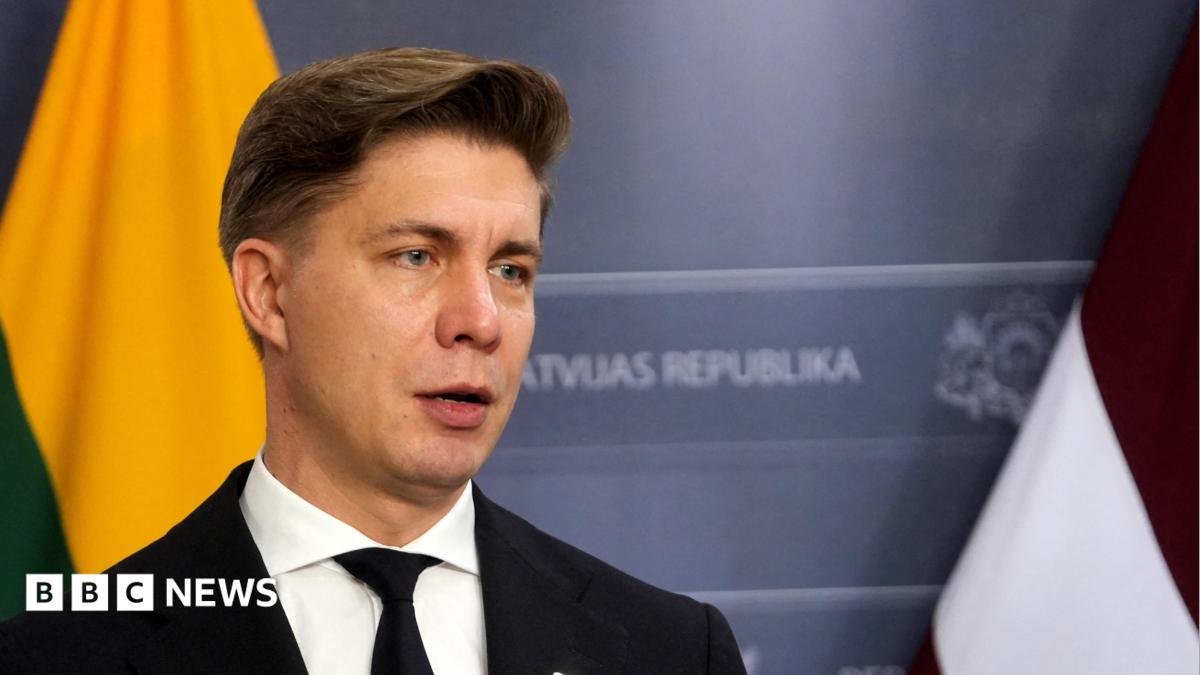
The security architecture of the Baltic region faces an unprecedented strain as geopolitical friction between NATO and the Russian Federation intensifies. Lithuanian officials, speaking through high-level diplomatic and executive channels, have articulated a dual-track strategy combining robust military deterrence with comprehensive civil defense preparedness. Prime Minister and senior national security figures have emphasized that while the citizenry feels a constant sense of vulnerability due to Moscow's aggressive posture, the state is fundamentally organized to mount an immediate and sustained defense. This posture reflects a profound strategic shift across the eastern flank of the European Union, where nations are no longer treating hybrid threats and conventional incursions as hypothetical scenarios.
At the core of this defensive posture is the reinforcement of the Suwalki Gap—a strategically vital corridor linking Poland and Lithuania while separating the heavily militarized Russian exclave of Kaliningrad from Belarus. Military planners view this geographical bottleneck as a primary vulnerability in any prospective European conflict. Consequently, Vilnius has accelerated fortification efforts, increased defense spending beyond NATO benchmarks, and integrated civil defense plans into daily municipal administration. Evacuation protocols, previously viewed as Cold War relics, have been updated, stress-tested, and communicated to the public to ensure civic resilience under pressure.
Global Trade & Economic Ripples
The persistent threat of military escalation in the Baltic states exerts a profound psychological and economic toll on global commodity markets and European supply chains. As a crucial transit hub connecting Scandinavia, Central Europe, and the Commonwealth of Independent States, any disruption to Lithuanian logistics directly impacts regional trade flows. Freight forwarders and shipping lines operating in the Baltic Sea are increasingly factoring heightened geopolitical risk premiums into maritime insurance rates, container logistics, and port handling fees at Klaipeda, the nation's premier ice-free port.
Furthermore, energy markets remain acutely sensitive to Baltic security developments. Although Europe has largely decoupled from Russian pipeline gas, regional energy independence infrastructure—including liquefied natural gas terminals and cross-border electricity interconnectors—remains vulnerable to sabotage, cyberattacks, and maritime blockades. Commodity traders monitoring agricultural exports from the Baltic basin note that sustained tensions introduce volatility into grain and fertilizer pricing indices, compounding inflationary pressures across international markets. Sovereign debt yields for frontier emerging economies in Eastern Europe also reflect investor caution, as capital markets price in the persistent tail risk of regional destabilization.
Related Intelligence: Brazilian Electoral Stalemate Threatens Commodity Markets as Lula Faces Bolsonaro
International Reactions & Diplomatic Stances
Multilateral bodies and Western governments have responded to the escalating rhetoric with reaffirmed commitments to collective defense. The North Atlantic Treaty Organization has intensified its Forward Presence initiatives, deploying multinational combat groups to Lithuania to serve as a tripwire against external aggression. United Nations officials have repeatedly underscored the necessity of maintaining diplomatic channels to prevent miscalculation, even as diplomatic engagement between Moscow and Western capitals reaches historic lows.
Market analysts and geopolitical risk consultancies point out that European Union cohesion is being severely tested by the frontline states' demands for accelerated defense integration. While major economic powers like Germany and France continue to support financial and military aid packages for the Baltic region, debates persist regarding the appropriate balance between deterrence posture and diplomatic de-escalation. Financial institutions have incorporated these sovereign risk differentials into long-term investment appraisals across the Eurozone periphery.
Strategic Outlook & Future Scenarios
Looking ahead, the trajectory of Baltic security will depend heavily on the outcome of broader geopolitical contests and the future configuration of European defense manufacturing. Upcoming international summits, including NATO ministerial meetings and European Council sessions, are expected to focus heavily on air defense standardization, ammunition replenishment, and the securitization of critical underwater infrastructure.
Sanctions regimes targeting Russian financial and logistical networks will likely remain foundational to Western strategy, with secondary enforcement mechanisms tightening around dual-use goods transiting through Central Asia and the Caucasus. For Lithuania and its neighbors, the strategic reality demands permanent readiness. The economic and commercial implications of this enduring standoff dictate that global investors must permanently factor geopolitical risk into their valuation models for European trade and industrial assets.
Join Our Official WhatsApp Channel
Receive live commodity alerts, policy changes, and commercial intelligence directly on WhatsApp.