
US Visa Pressure on Sudan Army Chief Al-Burhan Triggers Diplomatic Storm
Washington's reported withholding of a UN visa for Sudan's army chief to force a truce highlights intense diplomatic pressures and escalating commercial risks across the Horn of Africa.
Geopolitical & Core Developments
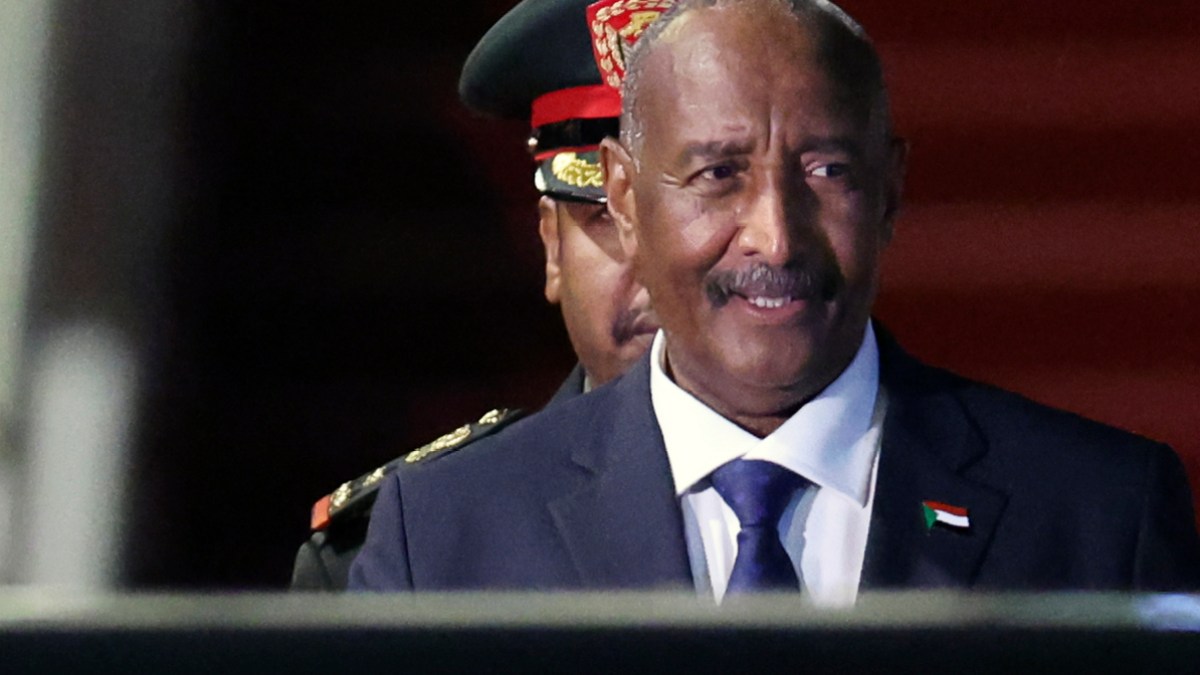
Recent diplomatic reports indicating that the United States withheld a United Nations entry visa for Sudanese Armed Forces (SAF) leader General Abdel Fattah al-Burhan mark a sharp escalation in Washington's strategy to halt Sudan's devastating civil war. The coercive diplomatic maneuver was reportedly deployed to pressure the military leadership into accepting a proposed 90-day humanitarian truce aimed at halting hostilities between the SAF and the Rapid Support Forces (RSF). The conflict, which erupted in April 2023, has fractured the country's governance structure, displaced millions, and triggered a severe humanitarian catastrophe.
By leveraging access to multilateral forums such as the UN General Assembly in New York, Western intermediaries are attempting to break a protracted battlefield stalemate. However, this high-stakes pressure tactic risks alienating the sovereign military leadership, hardening nationalist resistance within the SAF, and further complicating multilateral peace mediation efforts led by regional bodies like the Intergovernmental Authority on Development (IGAD) and the African Union.
[Global Trade](/news/trump-xi-jinping-us-summit-global-trade-geopolitics) & Economic Ripples
Beyond its profound human cost, the protracted conflict in Sudan carries severe implications for global supply chains and regional commerce. Situated at a critical geopolitical crossroads bridging the Middle East, East Africa, and the Sahel, Sudan's instability directly threatens vital Red Sea shipping lanes and maritime corridors connecting the Suez Canal to the Indian Ocean. While not a primary global crude oil exporter today, Sudan's geographical positioning influences broader Middle Eastern energy transit security.
Furthermore, global commodity markets are feeling the pinch of sustained supply disruptions. Sudan remains a dominant global exporter of gum arabic, an indispensable stabilizer used extensively across the international food and beverage, pharmaceutical, and cosmetic industries. Extended fighting across agricultural hubs has also degraded harvests of sesame, sorghum, and cotton, stoking regional food insecurity and exerting upward pressure on international agricultural commodity prices. International mining operations, particularly gold extraction concessions vital to financing the warring factions, face acute disruptions, diverting precious metals into illicit shadow markets.
Related Intelligence: Siege of Oleshky Intensifies Humanitarian and Regional Commodity Pressures
International Reactions & Diplomatic Stances
International response to Washington's reported visa leverage has laid bare deep divisions within multilateral diplomacy. While Western capitals defend proactive measures to force humanitarian access and alleviate civilian suffering, critics and regional observers warn that heavy-handed coercion undermines national sovereignty and risks deepening state fragmentation. The United Nations has repeatedly emphasized the imperative of unconditional humanitarian corridors, yet multilateral agencies struggle to enforce compliance amidst unyielding militarism from both the SAF and RSF.
Regional stakeholders, including neighboring Egypt, Saudi Arabia, and Gulf states, have expressed growing frustration over the diplomatic deadlock. Riyadh and Washington previously spearheaded Jeddah peace talks, but persistent ceasefire violations have exhausted international patience. Analysts warn that unilateral punitive measures by single superpowers may inadvertently undermine cohesive multilateral frameworks, leaving regional actors to pursue divergent, competing interventions that prolong the conflict.
Strategic Outlook & Future Scenarios
As the diplomatic standoff persists, the strategic trajectory of Sudan points toward prolonged fragmentation resembling the prolonged crises seen in Libya or Yemen. The coercive use of visa restrictions against state leaders may prompt retaliatory diplomatic postures or push Khartoum closer to alternative international partners seeking strategic footholds along the African coastline. Future summits and upcoming United Nations Security Council sessions will likely focus on enforcing targeted sanctions, arms embargoes, and asset freezes against key commanders steering the conflict.
For international commerce and multinational corporations operating in East Africa, risk assessments must account for enduring geopolitical instability. The failure of the proposed 90-day truce underscores the limits of external leverage in asymmetric civil wars. Without a unified international coalition capable of enforcing accountability on both the SAF and RSF, Sudan's economic isolation will deepen, compounding regional insecurity and perpetuating global supply chain vulnerabilities for critical agricultural and mineral commodities.
Join Our Official WhatsApp Channel
Receive live commodity alerts, policy changes, and commercial intelligence directly on WhatsApp.