
Pakistan, Saudi Arabia, and Turkiye Prepare for Strategic Riyadh Summit
Deputy Prime Minister Ishaq Dar announced that the Strategic Political Defence Committee will convene in Riyadh soon to operationalize trilateral security and economic frameworks under the Makkah Accord.
The Core Development
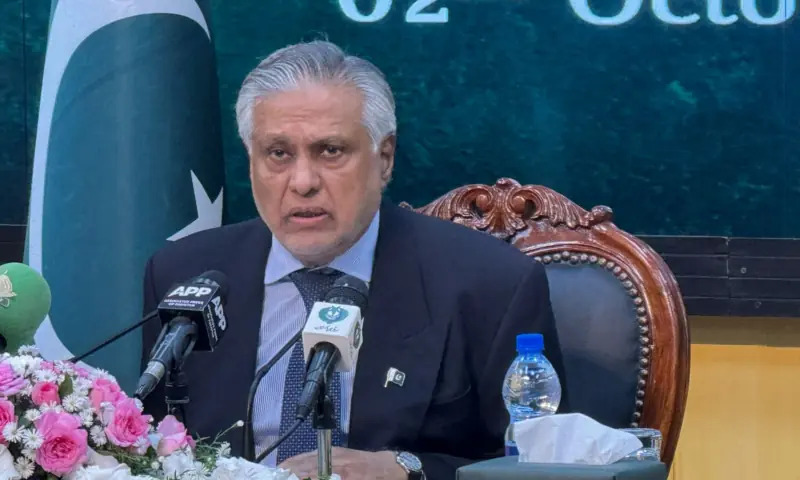
Deputy Prime Minister and Foreign Minister Ishaq Dar announced on Friday that a high-level meeting of the Strategic Political Defence Committee (SPDC) is scheduled to take place in Riyadh in the near future. Addressing a comprehensive press briefing detailing Pakistan's diplomatic engagements during the 81st session of the United Nations General Assembly (UNGA) in New York, Dar underscored the growing momentum behind trilateral cooperation between Pakistan, Saudi Arabia, and Turkiye.
The strategic framework of the SPDC was established under the umbrella of the trilateral Makkah Accord. The committee brings together a formidable leadership trio from each participating nation, comprising their respective foreign ministers, defence ministers, and chiefs of army staff. According to Dar, the groundwork for the upcoming Riyadh session was finalized during strategic consultations in New York, where all three nations were concurrently represented by their top diplomatic leadership, including Turkish Foreign Minister Hakan Fidan and Saudi Foreign Minister Prince Faisal bin Farhan Al Saud. This diplomatic alignment follows a preparatory special meeting held in Riyadh on September 25, which saw direct coordination among the military chiefs of the three allied states.
Commercial and Economic Implications
For Kalyar Traders and the broader commercial ecosystem in Pakistan, deepening geopolitical and strategic alliances with economic heavyweights like Saudi Arabia and Turkiye carries profound macroeconomic ramifications. Enhanced defence and political coordination typically paves the way for deeper bilateral trade agreements, foreign direct investment (FDI), and stabilized energy corridors.
As Pakistan seeks to navigate persistent balance-of-payment pressures and inflation volatility, closer economic integration with Gulf and regional partners can yield vital capital inflows and preferential trade terms. A secure and stable geopolitical environment directly influences wholesale distribution networks, supply chain resilience, and investor confidence. By solidifying institutional ties through the Makkah Accord framework, Pakistan aims to attract targeted investments into critical sectors such as infrastructure, energy, and retail supply chains, ultimately supporting domestic market stabilization and cushioning retail trade against external economic shocks.
Related Intelligence: Pakistan Capital Lockdowns Threaten Trade Corridors and Investor Confidence
Stakeholder Perspectives and Market Reactions
Business councils, trade associations, and policy analysts have responded positively to the announcement, viewing institutionalized trilateral cooperation as a vital anchor for regional stability. Industry bodies within Pakistan's commercial hubs note that strengthened diplomatic ties with Saudi Arabia and Turkiye are indispensable for securing long-term trade concessions and energy supply agreements.
Official circles emphasize that the SPDC format transcends traditional security cooperation, evolving into a multidimensional partnership that encompasses economic collaboration and strategic supply chain management. Legal and financial experts monitoring the developments suggest that formalizing these commitments through structured committee meetings will accelerate the implementation of pending bilateral trade pacts and joint venture agreements, offering much-needed predictability for corporate investors operating in competitive markets.
Forward Outlook and Key Watchpoints
As anticipation builds for the upcoming Riyadh summit, policymakers and market participants will closely monitor the specific agendas finalized by the foreign ministers, defence ministers, and military leadership. Key watchpoints include potential announcements regarding joint economic zones, energy supply frameworks, and institutional financing mechanisms.
The successful execution of the SPDC roadmap will serve as a critical test of how effectively regional diplomacy can translate into tangible commercial dividends for Pakistan's domestic economy, wholesale markets, and international trade balance in the quarters ahead.
Join Our Official WhatsApp Channel
Receive live commodity alerts, policy changes, and commercial intelligence directly on WhatsApp.