
Korean Peninsula Tensions Escalate as North Resumes Border Loudspeaker Propaganda
North Korea is reinstating high-decibel border propaganda broadcasts against South Korea, prompting Seoul to urge diplomatic engagement while heightening regional security and supply chain vigilance.
Geopolitical & Core Developments
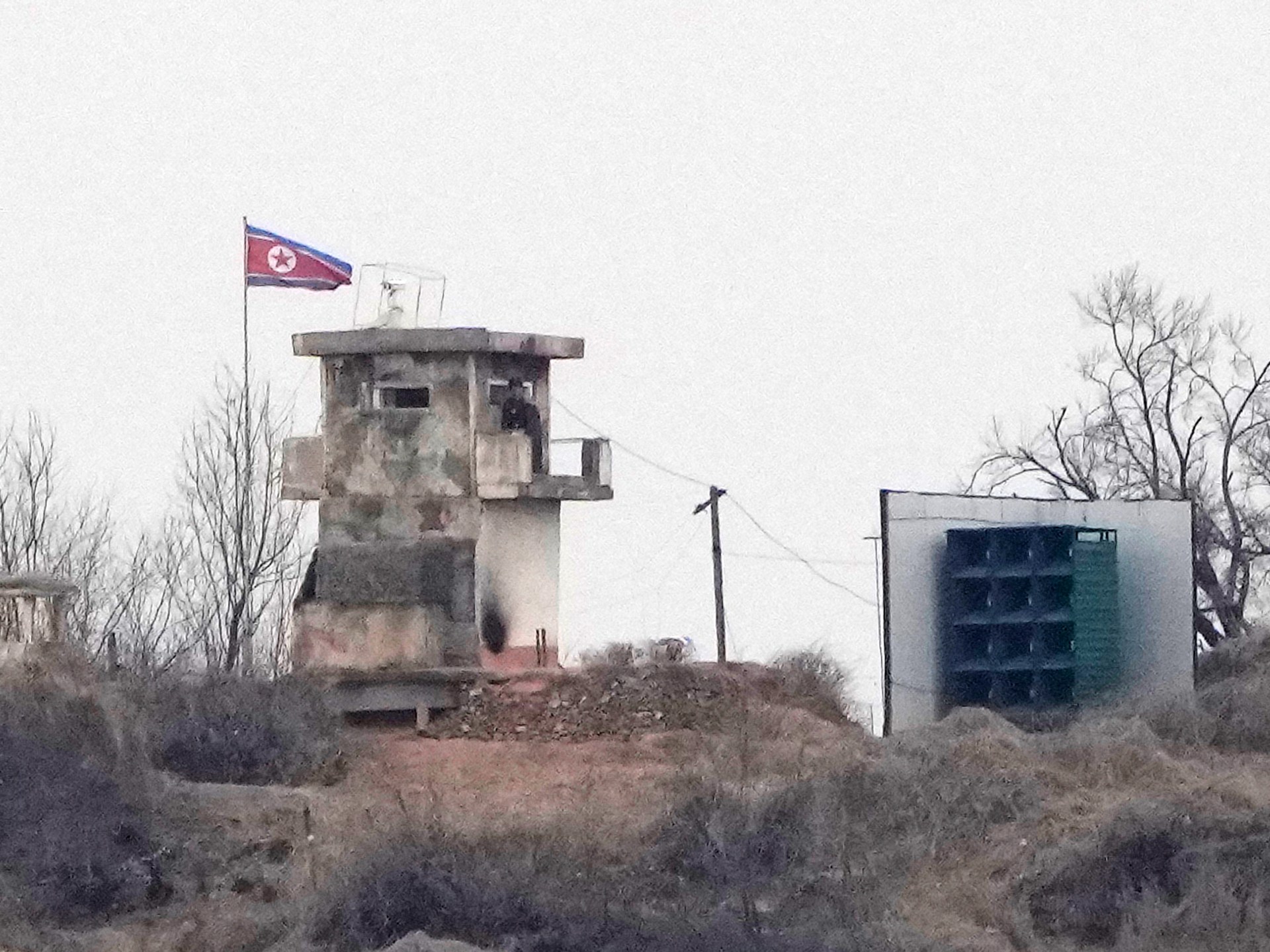
Tensions across the Korean Peninsula have sharply heightened following Pyongyang's announcement that it will re-install and operate high-decibel propaganda loudspeakers along the Demilitarized Zone (DMZ). The decision by North Korea marks a definitive unraveling of the psychological warfare de-escalation framework established under the 2018 Panmunjom Declaration. The move comes as a retaliatory response to South Korean civic groups launching cross-border balloons carrying anti-Pyongyang leaflets, USB drives containing Western media, and financial aid into North Korean territory.
State apparatus in Pyongyang characterized the border broadcasts as a sovereign defense measure against psychological subversion orchestrated from the South. In response, South Korea's Ministry of Unification expressed deep regret over the escalating rhetoric and renewed psychological operations, publicly urging Pyongyang to return to formal diplomatic channels. Simultaneously, the South Korean Joint Chiefs of Staff stated that the military is closely monitoring North Korean installation activities and remains fully prepared to resume its own border broadcast arrays and counter-measures if cross-border provocations intensify.
Global Trade & Economic Ripples
While localized psychological operations across the DMZ rarely trigger immediate physical disruption to commerce, financial analysts and trading desks across the Asia-Pacific basin are tracking the rhetoric for signs of wider instability. South Korea is a central pillar of the global industrial economy, anchoring critical links in advanced semiconductor manufacturing, liquefied natural gas (LNG) maritime transportation, and automotive component distribution.
Renewed volatility on the peninsula typically inflates the persistent 'Korea Discount' on equity valuations listed on the Korea Composite Stock Price Index (KOSPI), while strengthening hedging behavior around the South Korean Won (KRW). In international energy markets, any flare-up threatening stability along the critical Yellow Sea and Sea of Japan shipping corridors introduces marginal risk premiums for regional tanker traffic. Furthermore, multinational electronics firms heavily reliant on supply hubs in Gyeonggi Province remain exposed to logistical vulnerabilities should heightened border alerts prompt military mobilization or civil defense drills.
Related Intelligence: US Domestic Political Polarization Intensifies Amid Contentious Ohio Campaign Clashes
International Reactions & Diplomatic Stances
The resumption of adversarial psychological campaigns has drawn measured concern from international observers and key geopolitical stakeholders. Officials in Washington reaffirmed an ironclad commitment to the defense of South Korea, warning that provocative rhetoric and actions by the Democratic People's Republic of Korea undermine peace and stability across the Indo-Pacific. The United States Indo-Pacific Command indicated ongoing real-time intelligence coordination with South Korean counterparts.
In Beijing, the Ministry of Foreign Affairs reiterated calls for all parties to exercise restraint, pursue political settlements, and prevent the situation from deteriorating into kinetic posturing. Analysts at regional geopolitical think tanks noted that North Korea's maneuver fits a broader pattern of hybrid escalation, designed to extract diplomatic leverage without crossing the threshold that would mandate direct United Nations Security Council intervention.
Strategic Outlook & Future Scenarios
The immediate trajectory of the peninsula points toward prolonged tactical friction and reciprocal low-level escalations. Pyongyang may pair the loudspeaker operations with renewed artillery staging drills in coastal buffer zones, testing South Korea's political tolerance ahead of regional multilateral forums.
Should the broadcast campaigns persist, South Korea may face domestic political pressure to reactivate its own border loudspeaker arrays, effectively restoring the Cold War-era information warfare dynamic. Over the medium term, sustained escalation threatens to draw adjacent powers into deeper diplomatic polarization, complicating regional efforts to restart non-proliferation dialogue and reinforcing heightened security underwriting across East Asian commercial routes.
Join Our Official WhatsApp Channel
Receive live commodity alerts, policy changes, and commercial intelligence directly on WhatsApp.