
Punjab Enforces Crackdown on Smart Glasses and Surveillance Devices
Punjab Chief Minister Maryam Nawaz has ordered an immediate provincial crackdown on smart glasses and covert spy cameras, impacting electronics retailers and tightening scrutiny over surveillance hardware supply chains.
The Core Development
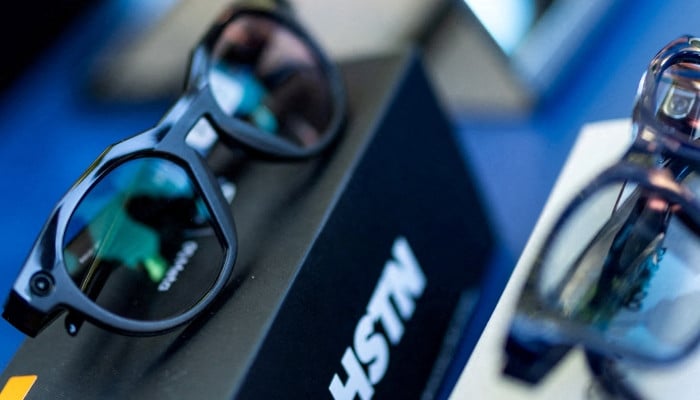
Punjab Chief Minister Maryam Nawaz has issued explicit directives to provincial law enforcement and administrative agencies to execute an uncompromising ban on smart glasses fitted with covert cameras, alongside an array of unauthorized micro-surveillance gadgets. The high-level executive order, issued from Lahore, instructs the Punjab Police, the Counter Terrorism Department, and district administration teams to identify, confiscate, and halt the circulation of wearable recording devices that evade standard electronic compliance.
The administrative push stems from escalating intelligence reports detailing the misuse of miniature recording apparatus in academic testing facilities, competitive public service examinations, and confidential institutional environments. Furthermore, provincial authorities highlighted serious infringements on personal privacy and civil liberties, citing unregulated covert surveillance in commercial and private domains. Deputy Commissioners across Punjab have been mobilized to conduct coordinated market inspections, effectively criminalizing the possession, commercial display, and over-the-counter sale of non-notified spy equipment under the prevailing regulatory frameworks.
Commercial & Economic Implications
The enforcement drive directly impacts Pakistan's consumer electronics and wholesale trading ecosystem, specifically concentrated within major commercial centers such as Lahore's Hafeez Centre and Hall Road, alongside trading corridors across Rawalpindi and Faisalabad. Importers and independent electronic merchants face immediate supply chain disruptions, with inventory valuations for wearable recording technology facing severe liquidation or complete write-offs.
Historically, the bulk of covert imaging equipment enters domestic retail streams through gray market corridors and low-declaration commercial consignments originating from regional manufacturing hubs. With customs inspections tightening alongside domestic retail raids, retail margins within the peripheral electronics segment will contract. Legitimate technology retailers selling enterprise-grade smart glasses or assisted-reality devices now face regulatory ambiguity, as compliance documentation requirements risk slowing legitimate technology transfers and raising operational costs for hardware distributors navigating erratic provincial scrutiny.
Related Intelligence: Starbucks Tightens China Store Policy Amid Escalating Retail Rivalry
Stakeholder Perspectives & Market Reactions
Trade bodies across Punjab have voiced measured apprehension regarding the implementation protocols of the executive directive. While merchant representatives acknowledge the necessity of curbing academic cheating and unauthorized surveillance, concerns have surfaced regarding arbitrary shop inspections and administrative overreach. Electronics associations have formally petitioned the provincial commerce departments to issue unambiguous classification standards distinguishing enterprise hardware, accessibility aids, and professional audiovisual gear from contraband covert surveillance equipment.
Legal analysts and human rights groups have largely supported the state's intervention to protect public dignity and prevent unauthorized image capture, particularly in public spaces and academic environments. However, legal scholars caution that without a dedicated legislative instrument passed by the provincial assembly, enforcement under ad-hoc administrative mandates may face constitutional challenges regarding trade liberties and market regulation authority.
Forward Outlook & Key Watchpoints
The immediate trajectory hinges on the operational rigor displayed by district monitoring teams and municipal enforcement squads over the coming weeks. Market observers should track whether federal agencies, including the Federal Board of Revenue and Pakistan Customs, synchronize their import border protocols with Punjab's provincial ban to stem incoming maritime and air cargo shipments of micro-optical hardware.
Additionally, attention will turn to the enforcement mechanisms applied to e-commerce marketplaces and social commerce vendors, which constitute the primary sales pipeline for consumer spy gear. Should the Punjab government successfully institutionalize digital surveillance monitoring on digital marketplaces, other provincial administrations may follow suit, accelerating a nationwide realignment in personal computing and wearable technology compliance standards.
Join Our Official WhatsApp Channel
Receive live commodity alerts, policy changes, and commercial intelligence directly on WhatsApp.