
Khyber Pakhtunkhwa Faces Governor Rule Amid Rising Instability
Federal authorities have imposed governor rule in Khyber Pakhtunkhwa and state emergencies across twelve districts, prompting urgent legal and economic reviews regarding provincial autonomy and market stability.
The Core Development
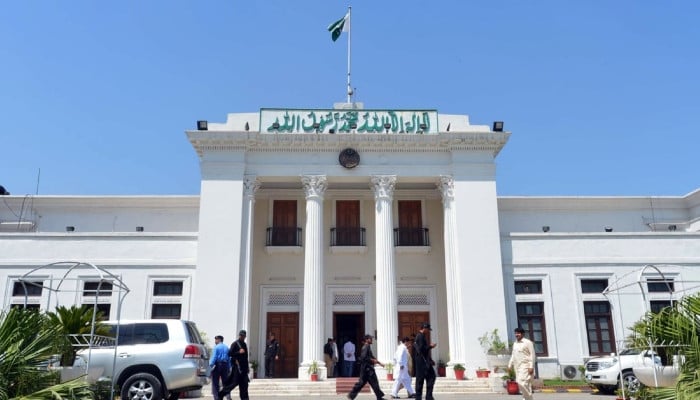
In a decisive and high-stakes constitutional move, the federal government officially imposed governor rule in Khyber Pakhtunkhwa while simultaneously declaring a state of emergency across 12 key districts of the province. This sweeping administrative action effectively suspends the legislative and executive powers of the provincial setup, shifting direct oversight to the federally appointed governor. The decree follows weeks of escalating security challenges, administrative deadlocks, and deteriorating law and order that federal authorities argue threatened public safety and governance continuity.
Legal scholars and constitutional experts have swiftly analyzed the invocation of Articles 232 and 234 of the Constitution of Pakistan. Article 234 empowers the federation to assume provincial functions when the constitutional machinery fails, whereas emergency provisions under Article 232 address grave threats arising from internal disturbances beyond the control of provincial police forces. The federal cabinet concluded that extraordinary measures were imperative to restore order, safeguard critical infrastructure, and ensure the unhindered functioning of public services across the affected 12 districts, which include vital border regions and commercial corridors.
Commercial & Economic Implications
The abrupt shift in provincial governance carries profound ramifications for commercial activity, wholesale distribution, and retail trade throughout northwestern Pakistan. Khyber Pakhtunkhwa serves as a critical economic gateway, facilitating cross-border commerce with Afghanistan and acting as a primary transit conduit for regional trade under the Afghan-Pakistan Transit Trade Agreement. Any prolonged administrative uncertainty or security clampdown directly impacts supply chain velocity, freight movement, and inventory restocking for merchants operating in Peshawar, Mardan, Swat, and surrounding commercial hubs.
Furthermore, the emergency measures risk stoking inflationary pressures within local markets. Transport operators report heightened security checks and temporary route restrictions, which immediately translate into elevated freight tariffs. Small and medium-sized enterprises, already grappling with high borrowing costs and utility tariffs, face compounding anxieties regarding consumer purchasing power. Retailers note a cautious approach from buyers, with discretionary spending contracting as households prioritize essential commodities amidst the shifting political landscape.
Related Intelligence: Khyber Pakhtunkhwa Emergency Rule Revives Economic and Political Instability
Stakeholder Perspectives & Market Reactions
Business councils and trade associations have responded to the federal intervention with a mixture of cautious acquiescence and deep anxiety. Representatives from the Sarhad Chamber of Commerce and Industry emphasized that while maintaining public order is a non-negotiable prerequisite for economic growth, protracted administrative vacuum or heavy-handed enforcement could suffocate private sector confidence. Industry bodies have formally appealed to federal authorities to ensure that commercial freight corridors and industrial estates remain insulated from political and administrative fallout.
Legal fraternity members remain divided over the long-term precedent set by the suspension of provincial autonomy. While government defenders argue that extraordinary circumstances demand robust executive intervention to prevent state failure, constitutional purists warn of potential judicial challenges regarding the subjective criteria utilized to invoke emergency clauses. Public response across major urban centers remains tense yet subdued, with citizens closely monitoring law enforcement posture and administrative continuity.
Forward Outlook & Key Watchpoints
As the administration transitions into federal oversight, key stakeholders are closely monitoring several critical indicators to gauge the trajectory of the province. First, the duration of the governor rule and the 12-district emergency will serve as a primary litmus test for federal intentions regarding the restoration of democratic governance. Second, business leaders will track the unhindered movement of commercial goods along the Grand Trunk Road and trade terminals to measure supply chain resilience.
Policy enforcement mechanisms in the coming weeks will dictate whether the intervention successfully neutralizes security threats or exacerbates political polarization. Kalyar Traders will continue to monitor regulatory updates, inter-provincial trade data, and central bank assessments to provide actionable insights for businesses navigating this volatile economic environment.
Join Our Official WhatsApp Channel
Receive live commodity alerts, policy changes, and commercial intelligence directly on WhatsApp.