
Federal Government Imposes Emergency and Governor Rule in Khyber Pakhtunkhwa
The federal government has imposed emergency and governor rule in Khyber Pakhtunkhwa under Articles 232 and 234, raising critical concerns for regional trade and economic stability.
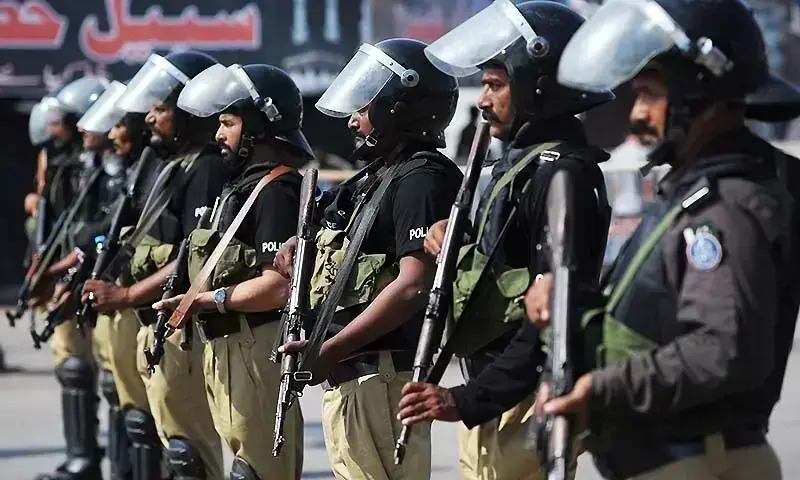
The Core Development
The federal government on Sunday officially imposed a state of emergency and governor rule in Khyber Pakhtunkhwa, following formal presidential approval of recommendations submitted by the federal cabinet. According to an official statement released by the President House, the drastic administrative measures have been invoked under Articles 232 and 234 of the Islamic Republic of Pakistan Constitution. Article 232 governs the proclamation of emergency due to war, external aggression, or severe internal disturbance beyond the provincial government's control. Concurrently, Article 234, widely recognized as governor rule, empowers the federal executive to assume direct control of a provincial administration upon determining a total failure of constitutional machinery within the province.
This high-stakes intervention marks a critical juncture in federal-provincial relations, echoing historical precedents where Islamabad intervened in provincial domains during periods of acute political and security crisis. Key federal ministers, security officials, and provincial stakeholders have been locked in intense deliberations regarding the immediate operationalization of the governor rule framework, which suspends normal legislative functioning and transfers executive authority directly to the federally appointed governor.
Commercial & Economic Implications
For Kalyar Traders and the broader business community across Pakistan, the imposition of emergency rule in Khyber Pakhtunkhwa introduces significant economic uncertainty. Khyber Pakhtunkhwa serves as a vital commercial artery connecting Pakistan to Central Asian trade corridors through key border crossings such as Torkham. Prolonged administrative uncertainty and potential security lockdowns threaten to disrupt wholesale distribution networks, heavy freight transit, and regional retail trade.
Market analysts warn that supply chain bottlenecks resulting from heightened security measures could trigger localized inflationary pressures, driving up transportation costs and essential commodity prices. Retailers and small business owners in Peshawar and surrounding commercial hubs face immediate risks of dampened consumer demand and liquidity constraints. Furthermore, investor confidence in regional infrastructure projects and public-private partnerships stands vulnerable to sudden shifts in regulatory enforcement and governance stability.
Related Intelligence: Federal Government Imposes Governor Rule and Emergency in Khyber Pakhtunkhwa
Stakeholder Perspectives & Market Reactions
Initial reactions from trade associations and industry bodies reflect deep anxiety regarding the economic fallout of the governor rule. Representatives from major chamber of commerce entities have urged the federal administration to ensure uninterrupted commercial transit along key trade routes, emphasizing that trade continuity must remain insulated from political turbulence. Legal experts remain divided on the timing and proportionality of invoking Article 234, with constitutional scholars debating whether the threshold for a total breakdown of constitutional machinery was fully met.
Public response across urban centers in the province has been mixed, characterized by apprehension over potential curfews and restrictions on public assembly. Official statements from federal spokespersons maintain that the extraordinary measures are strictly temporary, designed solely to restore public order, safeguard state assets, and re-establish effective administrative writ.
Forward Outlook & Key Watchpoints
As the situation unfolds, business stakeholders and financial analysts are closely monitoring key operational indicators over the coming weeks. Critical watchpoints include the duration of the emergency proclamation, the specific economic directives issued by the newly empowered provincial administration, and the operational status of major trade terminals. The federal cabinet faces mounting pressure to outline a clear roadmap for restoring normal constitutional government and provincial assembly functions to prevent lasting damage to regional commerce and investor sentiment.
Join Our Official WhatsApp Channel
Receive live commodity alerts, policy changes, and commercial intelligence directly on WhatsApp.