
Khyber Pakhtunkhwa Emergency Rule Revives Economic and Political Instability
The federal government's imposition of emergency and governor's rule in Khyber Pakhtunkhwa has triggered widespread economic anxiety and political uncertainty across Pakistan.
The Core Development
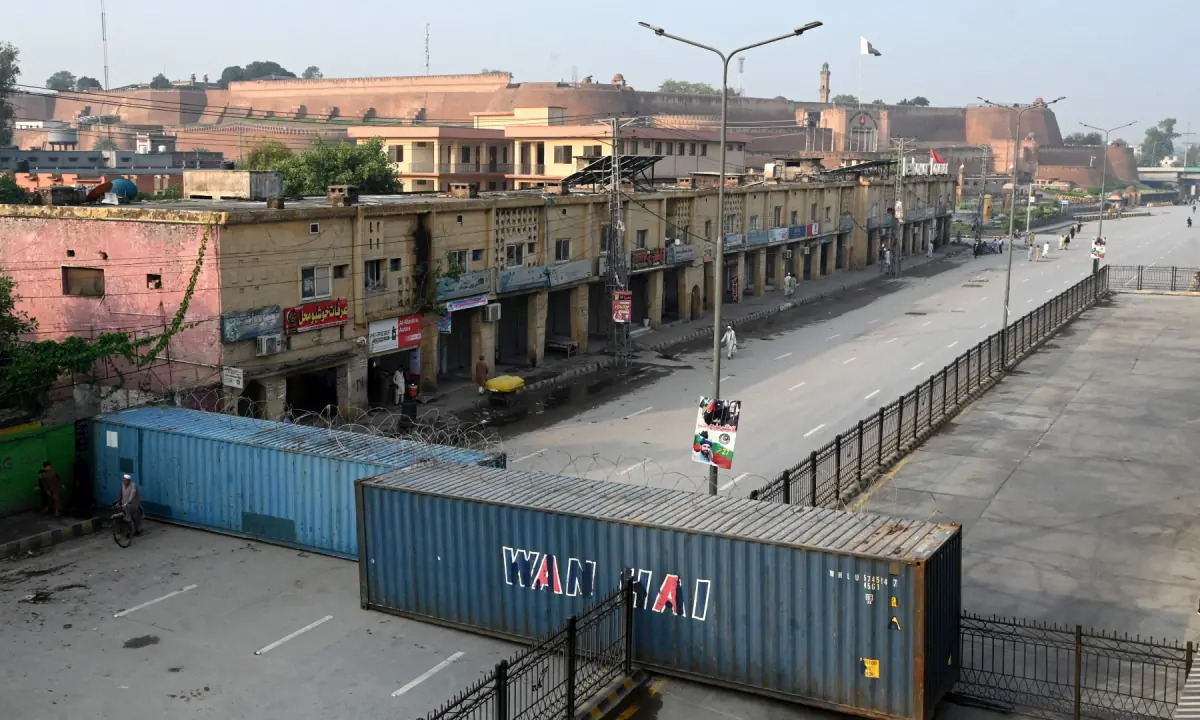
Sunday marked a somber anniversary for many across Pakistan as the federal cabinet moved to impose a state of emergency and governor's rule in Khyber Pakhtunkhwa (KP). The decision, finalized over the weekend, bypassed numerous warnings from legal experts and political analysts who cautioned against repeating what many critics have labeled an ill-advised intervention. The federal administration defended the move as a necessary measure to restore order and ensure governance continuity in a volatile region. However, the sudden invocation of emergency powers has abruptly altered the political landscape, setting off a chain reaction across institutional and administrative channels. Key stakeholders, including provincial lawmakers and regional administrators, have been left grappling with the immediate suspension of standard legislative procedures, evoking memories of past political crises that similarly sidelined elected representatives.
Commercial & Economic Implications
The declaration of emergency rule carries profound ramifications for commercial activity, retail trade, and wholesale distribution networks anchored in northwestern Pakistan. KP serves as a critical commercial corridor connecting domestic markets with Central Asian trade routes. Prolonged political uncertainty in the province directly threatens regional supply chains, stoking fears of transport delays, inventory bottlenecks, and upward pressure on prices for essential commodities. Local merchants and small-to-medium enterprises are already reporting a contraction in consumer demand as retail footfall drops amid heightened security precautions and curbed mobility. Furthermore, inflationary pressures are expected to compound if logistical arteries face persistent disruptions, ultimately impacting cost-of-living metrics for ordinary households across the country.
Related Intelligence: Federal Government Imposes Emergency and Governor Rule in Khyber Pakhtunkhwa
Stakeholder Perspectives & Market Reactions
Business councils, trade associations, and legal bodies have voiced strong reservations regarding the constitutional and economic fallout of the federal cabinet's decision. Representatives from major chambers of commerce in Peshawar and surrounding commercial hubs warned that administrative upheaval undermines investor confidence at a time when the broader national economy is striving to stabilize under stringent International Monetary Fund reform parameters. Legal experts have similarly questioned the long-term viability and precedent of overriding provincial autonomy, noting that prolonged federal intervention risks deepening political polarization. Meanwhile, financial markets exhibited cautious trading behavior, with investors pricing in potential regulatory friction and delays in structural economic reforms. <br> <br>
Forward Outlook & Key Watchpoints
As the situation unfolds, market participants and political analysts are closely monitoring several critical indicators to gauge the trajectory of the crisis. Key watchpoints include the duration of the governor's rule, potential legal challenges in the higher judiciary, and the response of provincial bureaucratic apparatuses. Policymakers face the delicate task of balancing national security imperatives with the urgent need to maintain economic momentum and fiscal discipline. If the emergency measures are prolonged, economists warn of compounding risks to regional development projects and foreign direct investment inflows, making a swift return to constitutional normality paramount for sustained commercial recovery.
Join Our Official WhatsApp Channel
Receive live commodity alerts, policy changes, and commercial intelligence directly on WhatsApp.