
Houthi Missile Breakthroughs Expose Vulnerabilities in Saudi Air Defences
Recent Houthi missile strikes targeting key Saudi infrastructure reveal significant vulnerabilities in advanced air defence shields, escalating risks for global energy markets and international trade routes.
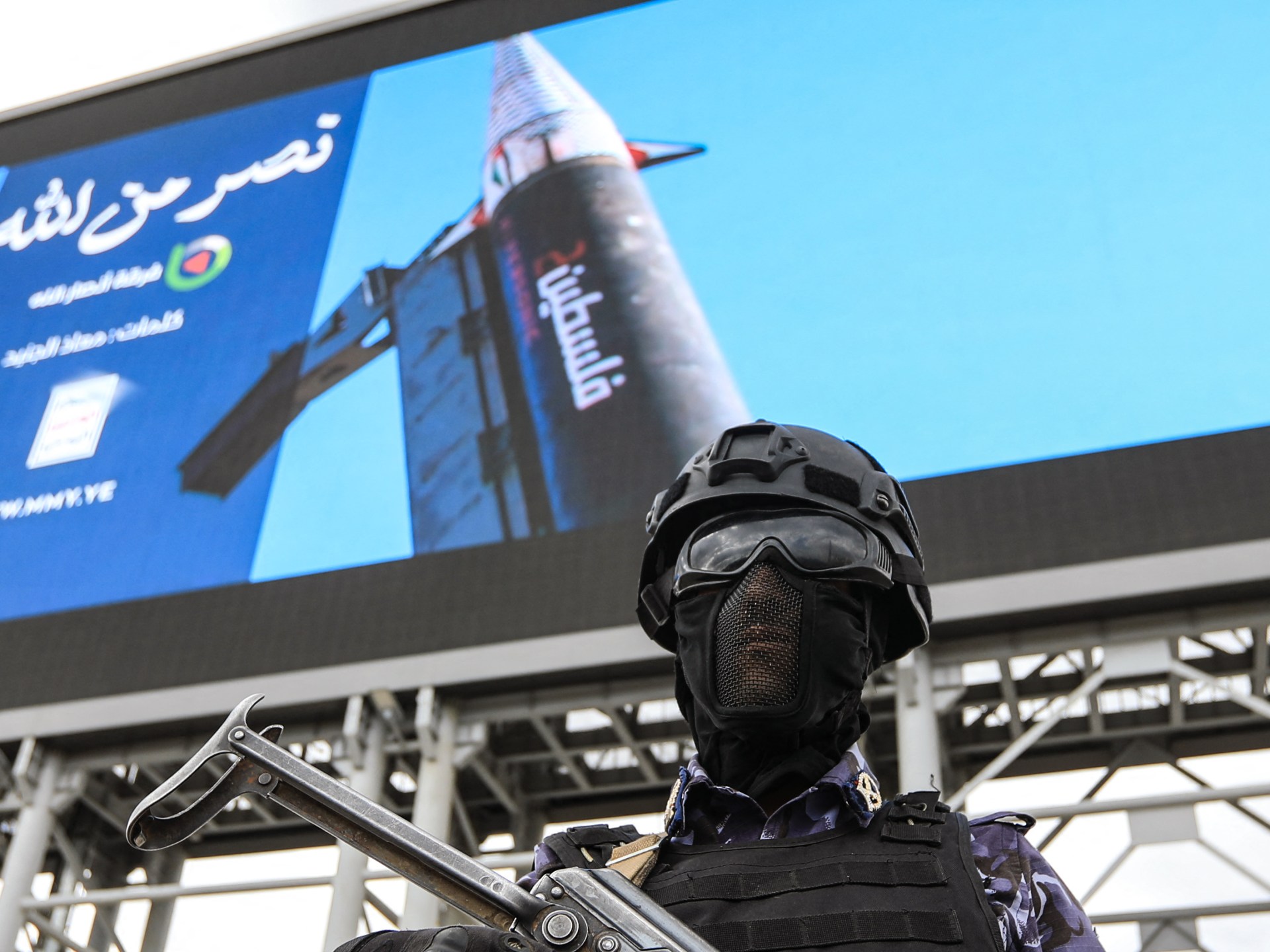
Geopolitical & Core Developments
The recurring penetration of advanced air defence systems by Houthi projectiles targeting strategic locations such as Riyadh's King Khalid International Airport marks a critical inflection point in the protracted conflict on the Arabian Peninsula. Despite the deployment of sophisticated, multi-layered anti-missile architecture, recent incursions demonstrate that asymmetric warfare tactics continue to challenge conventional military supremacy. State actors and regional observers note that the proliferation of low-cost, domestically modified ballistic technology and unmanned aerial systems has fundamentally altered tactical calculations. The strikes underscore the persistent failure of defensive shields to guarantee absolute security for critical national infrastructure, forcing military planners in Riyadh and Washington to reassess deterrence strategies. As diplomatic channels remain deadlocked, the operational calculus along the Yemen-Saudi border continues to drift toward prolonged attrition, defying international mediation efforts and heightening the stakes for regional stability.
Global Trade & Economic Ripples
For global commodity markets and international shipping conglomerates, the erosion of perceived security across the southern Arabian Peninsula introduces severe macroeconomic vulnerabilities. Saudi Arabia remains a linchpin of global energy architecture; any sustained threat to its primary aviation hubs, logistics corridors, or petroleum export infrastructure reverberates immediately through crude oil benchmarks and maritime freight insurance rates. Energy traders are increasingly pricing a permanent geopolitical risk premium into Brent crude, anticipating potential disruptions to vital supply arteries that traverse the Red Sea and the Bab el-Mandeb strait. Furthermore, supply chain disruptions emanating from heightened security protocols at major Gulf ports threaten to inflate logistics costs, compounding inflationary pressures across international trade networks and affecting currency valuations in import-reliant economies.
Related Intelligence: Djibouti Boat Disaster Exposes Red Sea Migration Crisis
International Reactions & Diplomatic Stances
The international community has responded with mounting alarm to the escalation of cross-border missile strikes. The United Nations Security Council has repeatedly convened emergency consultations, urging an immediate cessation of hostilities and warning that continued escalation undermines fragile peace initiatives. Western capitals have condemned the attacks as violations of international norms, reaffirming commitments to Saudi territorial defense while concurrently pressing for a comprehensive, negotiated political settlement. Meanwhile, market analysts and geopolitical risk consultancies have issued urgent advisories to multinational corporations operating in the Gulf Cooperation Council region, advising a comprehensive re-evaluation of business continuity plans and supply chain redundancy in light of persistent security contingencies.
Strategic Outlook & Future Scenarios
Looking ahead, the trajectory of the conflict suggests a prolonged period of elevated geopolitical friction with profound implications for global commerce. Upcoming diplomatic summits are expected to focus heavily on tightening enforcement mechanisms for arms embargoes and enhancing intelligence-sharing frameworks to intercept illicit supply networks. However, without a durable political breakthrough addressing the root causes of the Yemeni civil war, military escalation remains the default baseline. Future scenarios point toward intensified electronic warfare, enhanced counter-UAS investments by Gulf states, and persistent volatility in global energy markets as regional actors brace for an extended era of asymmetrical conflict.
Join Our Official WhatsApp Channel
Receive live commodity alerts, policy changes, and commercial intelligence directly on WhatsApp.