
Kenya Confirms Third Ebola Infection Linked to Initial Index Fatality
Kenyan health authorities have confirmed a third case of the Bundibugyo Ebola strain linked to the initial fatal patient, keeping contact networks under strict medical quarantine.
Geopolitical & Core Developments
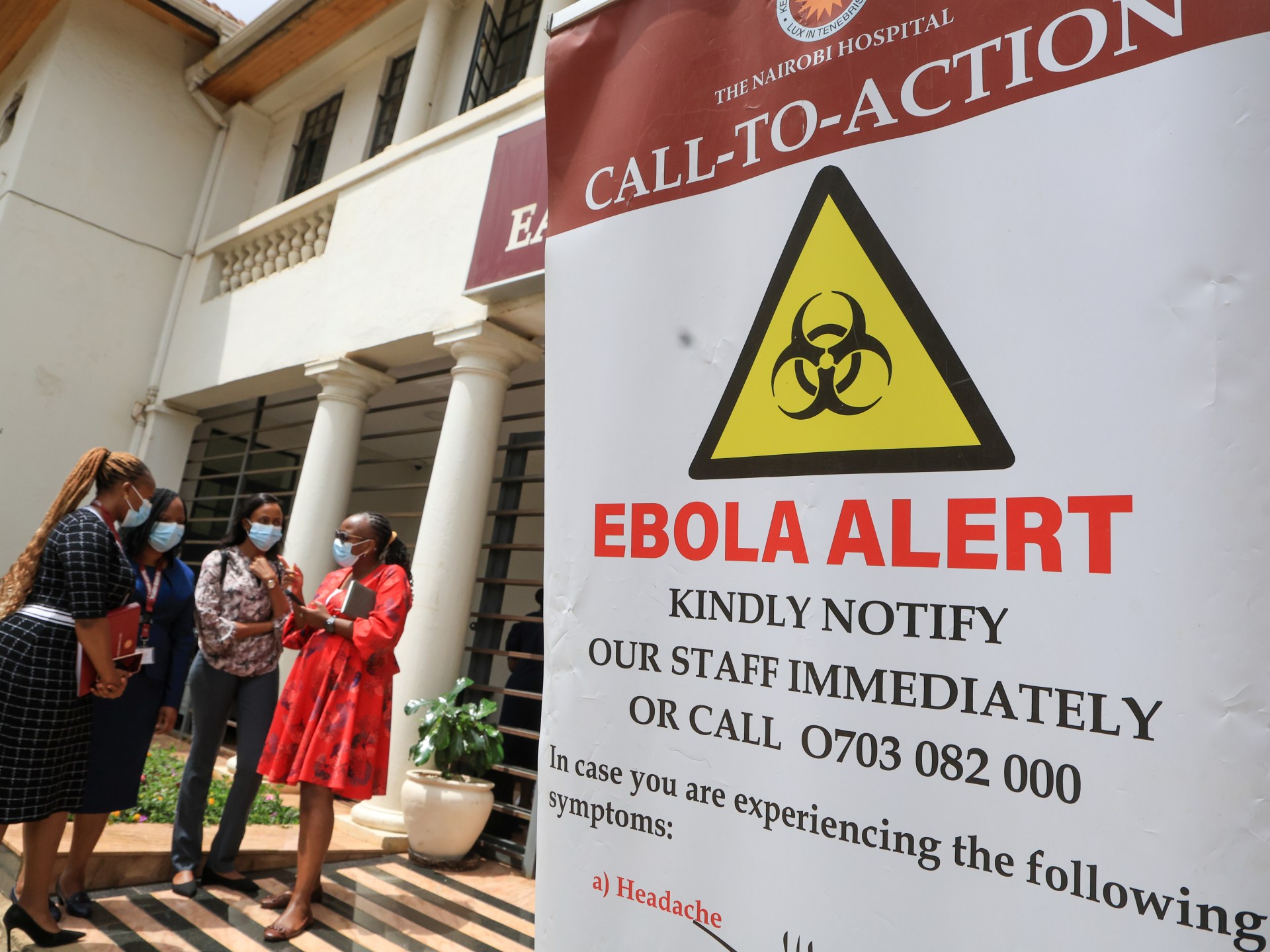
Kenyan public health authorities have confirmed a third positive case of Ebola virus disease, identified as the Bundibugyo strain, within the capital city of Nairobi. The patient, a 65-year-old female, had been under targeted institutional quarantine due to direct epidemiological links to the country’s index patient, who succumbed to the hemorrhagic fever earlier this month. The Ministry of Health emphasized that all high-risk contacts remain under rigorous medical isolation, noting that comprehensive field surveillance has yielded no evidence of wider community transmission.
The emergence of the Bundibugyo strain—historically more sporadic and associated with lower case-fatality rates than the Zaire ebolavirus—presents a complex containment challenge for East African healthcare infrastructures. The regional trajectory traces cross-border movement across the Great Lakes corridor, a conduit characterized by high-volume transit between Uganda, the Democratic Republic of the Congo, and Kenya. Nairobi's rapid contact tracing and genomic sequencing operations are functioning in coordination with World Health Organization (WHO) technical teams to map secondary transmission vectors and enforce localized biosecurity perimeters.
Global Trade & Economic Ripples
While direct trade embargos remain off the table, the confirmation of a third case introduces operational friction across East Africa's vital transport arteries. Kenya serves as the undisputed logistics gateway for landlocked economies including Uganda, Rwanda, and South Sudan. The Northern Corridor transport network, anchored by the Port of Mombasa, is already seeing tightened phytosanitary and border health controls, threatening to elongate cargo dwell times and drive up regional freight insurance premiums.
Commercial aviation networks through Jomo Kenyatta International Airport (JKIA)—a primary air transit hub for intercontinental travel between Africa, Europe, the Middle East, and Asia—are implementing enhanced health declarations and thermal screening protocols. Although broader commodity markets have absorbed the news without immediate volatility, agricultural exports such as tea, cut flowers, and fresh horticulture could encounter processing headwinds should domestic mobility restrictions tighten. Financial analysts are monitoring the Kenyan Shilling for localized pressure, particularly if perceived health risks deter tourist arrivals and foreign direct investment inflows during the upcoming fiscal quarter.
Related Intelligence: Government Slashes Petrol Price While Maintaining High-Speed Diesel Rates
International Reactions & Diplomatic Stances
The World Health Organization Regional Office for Africa issued a preliminary assessment commending Kenya’s rapid diagnostic deployment and transparent reporting cadence, while reiterating its stance against travel or trade restrictions. Multilateral partners have mobilized rapid-response epidemical stockpiles to support laboratory capacities and protective equipment reserves across regional hospitals.
Diplomatic counterparts across the East African Community (EAC) have moved to harmonize cross-border screening mechanisms rather than unilaterally shuttering frontiers. The Africa Centres for Disease Control and Prevention (Africa CDC) convened an emergency technical brief, urging member states to strengthen point-of-entry surveillance while maintaining critical regional supply chain flows. Western embassies have updated routine travel advisories to acknowledge heightened surveillance at transport hubs, stopping short of issuing broad non-essential travel warnings.
Strategic Outlook & Future Scenarios
The containment trajectory hinges on the containment window over the next 21 to 42 days. If all secondary cases remain confined to established quarantine cohorts, the outbreak will likely be classified as a controlled cluster, averting broader macroeconomic disruption. However, any unlinked community transmission in Nairobi’s high-density urban wards would trigger stringent internal movement controls, disrupting domestic commerce and straining public finances.
Regionally, health authorities will seek to leverage advanced diagnostic frameworks to avoid the protracted economic fallout observed during previous West and Central African outbreaks. Market participants will scrutinize upcoming health bulletins for secondary contact clearances, alongside potential policy adjustments from global aviation regulators and regional trade syndicates.
Join Our Official WhatsApp Channel
Receive live commodity alerts, policy changes, and commercial intelligence directly on WhatsApp.