
Kenya Ebola Fatality Triggers Regional Health and Trade Alarms
An imported Ebola case from the Democratic Republic of Congo into Kenya has prompted heightened regional vigilance, threatening cross-border trade and supply chain stability across East Africa.
Geopolitical & Core Developments
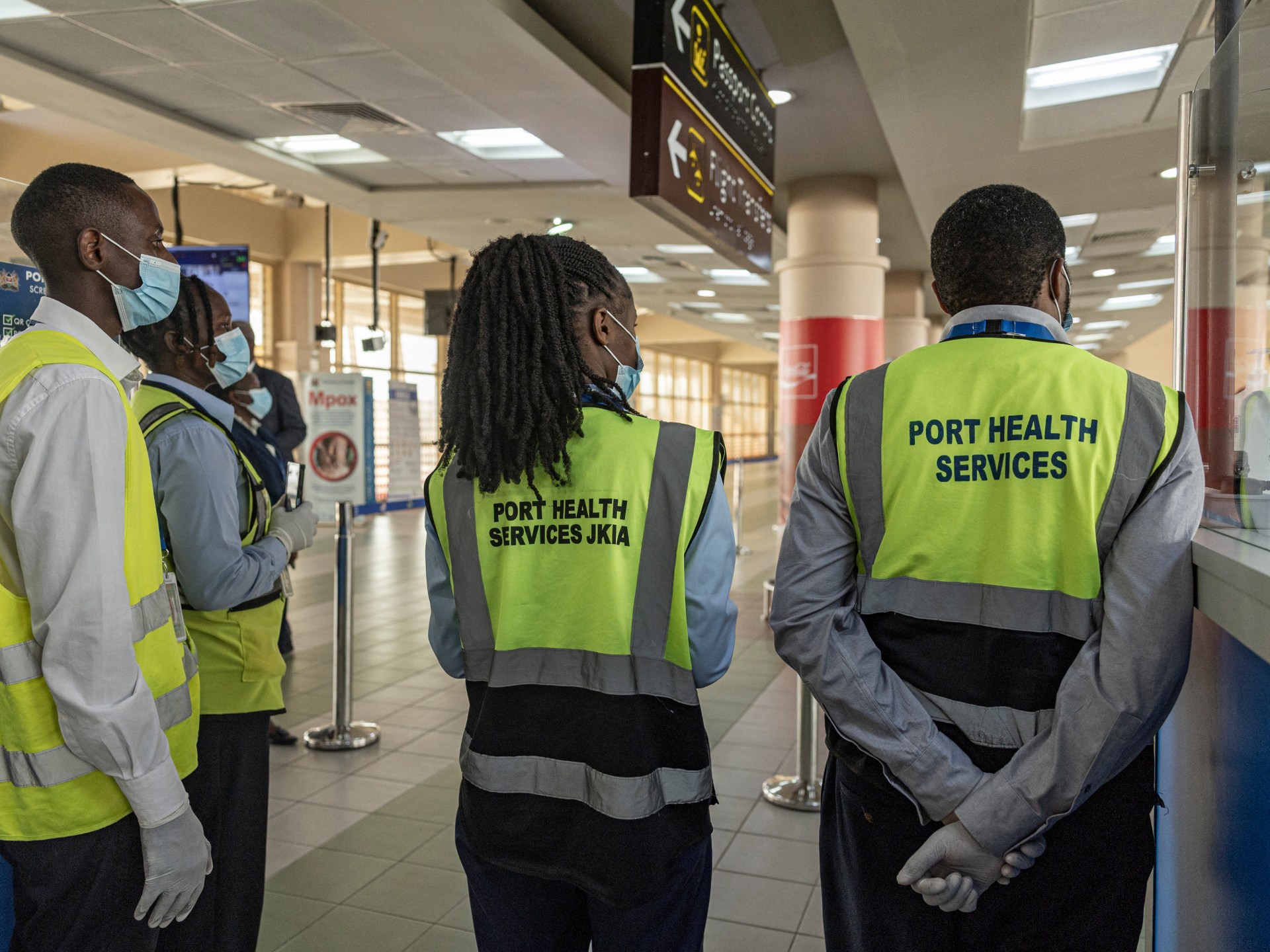
The confirmation of a fatal Ebola virus disease case in Kenya, originating from the Democratic Republic of Congo (DRC), has sent shockwaves through East and Central African diplomatic and public health circles. According to World Health Organization (WHO) reports, the patient contracted the virus while residing in the DRC, where initial medical treatments were administered before traveling across porous regional borders into Kenya. This cross-border transmission underscores the persistent vulnerability of regional transport corridors to infectious disease vectors, exposing the structural limitations of contiguous border screening protocols.
State actors across the East African Community (EAC) immediately convened emergency consultations to evaluate the threat level. Historically, epidemiological crises in the Congo Basin carry profound geopolitical implications, often straining bilateral relations and prompting unilateral border closures that disrupt diplomatic harmony. While Nairobi has thus far resisted sweeping travel bans in alignment with WHO recommendations favoring targeted surveillance over restrictive trade measures, the incident has reignited debates regarding regional security cooperation, intelligence sharing on public health threats, and the harmonization of biometric and sanitary checkpoints along major transit arteries.
Global Trade & Economic Ripples
Beyond the immediate humanitarian concerns, the detection of a lethal pathogen in a major East African economic hub introduces immediate friction into global commodity supply chains and regional commerce. Kenya serves as the primary logistical gateway for landlocked economies such as Uganda, Rwanda, South Sudan, and the eastern DRC. Any perception of heightened epidemiological risk threatens to decelerate freight velocity through the Port of Mombasa and the Northern Corridor transport network.
Global commodity markets, particularly agricultural exports including tea, coffee, and horticultural products originating from the East African highlands, are acutely sensitive to logistical delays and phytosanitary restrictions. Importers in the European Union and North America monitor these developments closely, mindful of how regional health scares can inflate shipping insurance premiums, induce port congestion, and depress local currency valuations through dampened investor sentiment. Furthermore, mining supply chains originating from the Central African mineral belt face indirect pressures as transport workers encounter intensified screening protocols, potentially introducing bottlenecks in critical mineral movements.
Related Intelligence: Indonesian Wildfires Trigger Regional Crisis and Commodity Supply Risks
International Reactions & Diplomatic Stances
International bodies and multilateral organizations have responded with a coordinated push for transparency and evidence-based containment strategies. The World Health Organization issued technical advisories urging member states to avoid punitive travel and trade restrictions that historically exacerbate economic hardship without enhancing epidemiological security. Concurrently, the Africa Centres for Disease Control and Prevention (Africa CDC) deployed technical task forces to support Kenyan health authorities in contact tracing and genomic sequencing.
Market analysts and risk intelligence firms note that international reaction remains measured compared to the 2014-2016 West African outbreak. However, global financial institutions have reiterated the necessity for sustained investment in resilient health infrastructure. Diplomatic missions in Nairobi and Kinshasa have issued advisory notes to expatriate communities while reaffirming confidence in local containment capabilities, emphasizing that economic continuity depends strictly on rigorous adherence to established public health protocols rather than reactionary protectionism.
Strategic Outlook & Future Scenarios
As regional health authorities monitor secondary and tertiary contacts, the trajectory of this incident will depend heavily on the efficacy of contact tracing and the swift deployment of therapeutic stockpiles. Upcoming ministerial meetings within the East African Community are expected to fast-track the operationalization of the planned East African Health Surveillance Network, aimed at standardizing cross-border health data exchange.
Looking ahead, multilateral lenders and sovereign development partners are likely to reevaluate funding allocations for pandemic preparedness, shifting from reactive emergency disbursements to long-term structural reinforcement of border health posts. For international investors and commodity traders, the episode serves as a stark reminder of non-commercial risk factors inherent in frontier market operations, cementing the necessity of robust contingency planning within global supply chain architectures.
Join Our Official WhatsApp Channel
Receive live commodity alerts, policy changes, and commercial intelligence directly on WhatsApp.