
Jon Rahm Exit Shakes LIV Golf As Commercial Pressures Mount
Jon Rahm's abrupt exit from LIV Golf over disputed contract terms signals profound commercial and structural shifts in elite professional sports financing.
Geopolitical & Core Developments
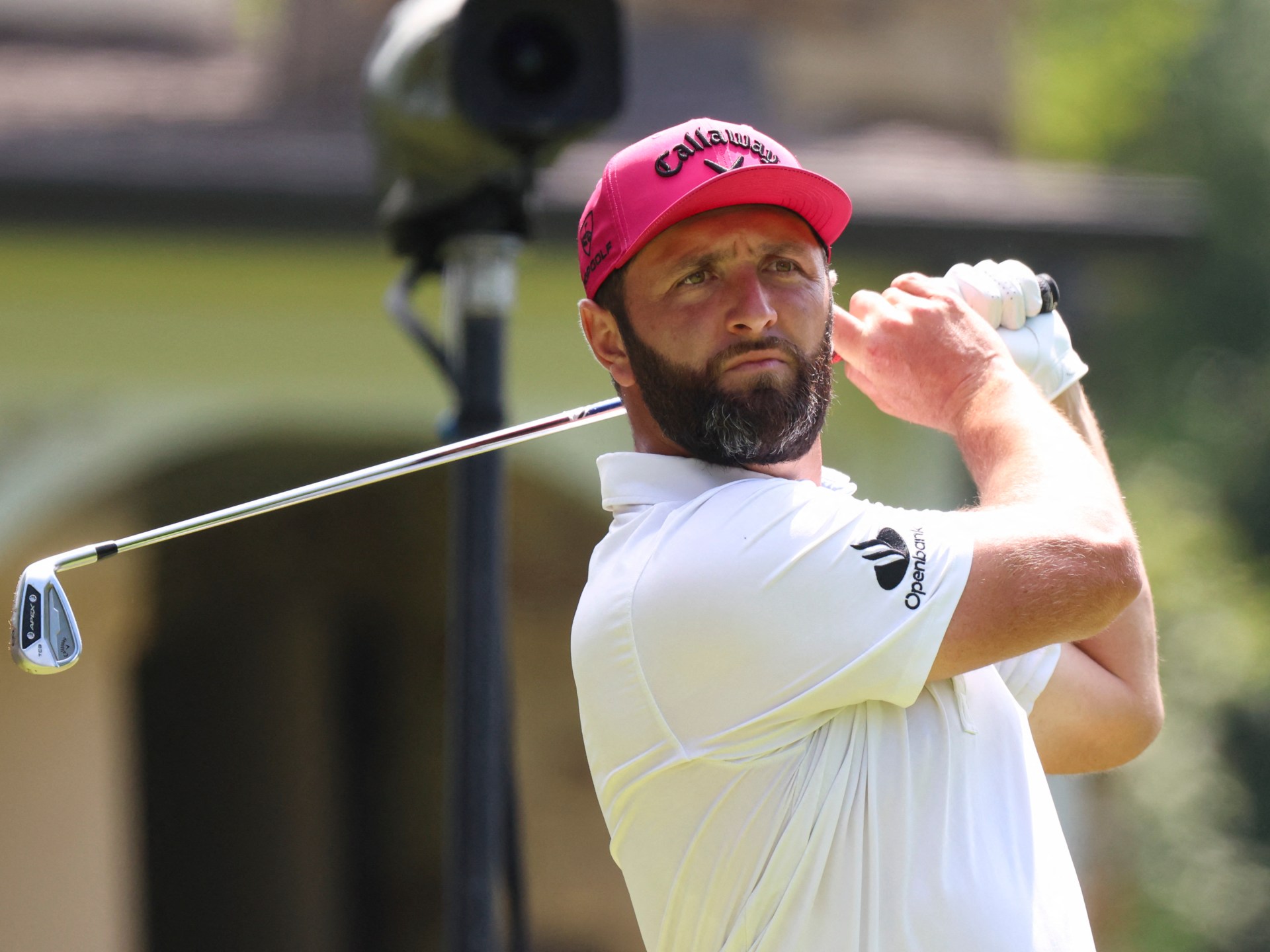
The landscape of professional golf experienced a seismic tremor as legal representatives for Spanish star Jon Rahm announced his impending departure from the LIV Golf circuit. According to statements released by his legal counsel, Rahm reviewed the proposed terms of the circuit's structural evolution, designated internally and publicly as LIV 2.0, and determined them to be fundamentally unacceptable. This development marks a critical turning point for the Saudi-backed tour, which has spent years disrupting the traditional ecosystem of professional golf through unprecedented financial commitments.
The rupture underscores the immense challenges facing state-backed sports ventures as they transition from aggressive market acquisition phases to sustainable operational models. The breakdown in negotiations reflects deeper strategic realignments among key stakeholders, highlighting the friction between traditional athletic autonomy and corporate governance structures imposed by sovereign wealth infusions. Observers note that the timeline of Rahm's exit coincides with broader evaluations of sports diplomacy and the long-term viability of mega-investments in international athletics.
Global Trade & Economic Ripples
While golf is primarily a sport and entertainment asset, the financial mechanics underpinning LIV Golf intersect directly with global sovereign investment portfolios, particularly those originating from the Gulf region. The valuation of athletic talent, broadcasting rights, and corporate sponsorship tiers is undergoing a profound recalibration. As primary financiers re-evaluate risk parameters and return-on-investment metrics, secondary markets, equipment manufacturers, and hospitality sectors tied to elite tournaments face immediate uncertainty.
The commercial implications extend to currency flows and cross-border capital allocation. Multi-million-dollar guarantees that once defined the circuit's market entry are being subjected to rigorous fiscal discipline. This shift reflects a broader economic cooling across high-risk alternative asset classes, as rising global interest rates and inflationary pressures prompt investors to demand stricter performance benchmarks and operational transparency across all commercial ventures.
Related Intelligence: Colombia Protests Expose Geopolitical Fault Lines Over Gaza Ties
International Reactions & Diplomatic Stances
Financial analysts, sports economists, and international governance bodies have responded to the announcement with intense scrutiny. Market analysts suggest that Rahm's departure could trigger a cascading effect, prompting other marquee players to re-examine their contractual obligations and long-term allegiances. Meanwhile, traditional governing bodies, including the PGA Tour and DP World Tour, have maintained a measured public posture, even as backchannel discussions regarding global golf unification and regulatory frameworks continue.
Multilateral sports observers emphasize that the friction highlights the complexities of utilizing sports as an instrument of national economic diversification and soft power projection. As regulatory scrutiny from antitrust authorities and international trade bodies mounts over sports consolidation, the ability of state-backed entities to unilaterally dictate market terms faces unprecedented institutional resistance.
Strategic Outlook & Future Scenarios
Looking ahead, the fallout from Rahm's exit is expected to accelerate negotiations surrounding the long-delayed framework agreement between the Public Investment Fund and traditional golf authorities. The collapse of rigid contract terms necessitates a more flexible, collaborative approach to global tournament scheduling and player compensation.
Future scenarios indicate a potential fragmentation of elite talent pools unless governance structures evolve to accommodate player mobility and commercial demands. Upcoming international summits and stakeholder meetings will prove critical in determining whether elite professional golf can achieve a unified global structure or whether it will remain fractured along commercial and geopolitical fault lines.
Join Our Official WhatsApp Channel
Receive live commodity alerts, policy changes, and commercial intelligence directly on WhatsApp.