
Texas Execution Sparks Global Human Rights Scrutiny and Trade Debate
Texas executed Jamaal Howard despite legal challenges citing botched lethal injection protocols, drawing renewed international human rights scrutiny and diplomatic debate.
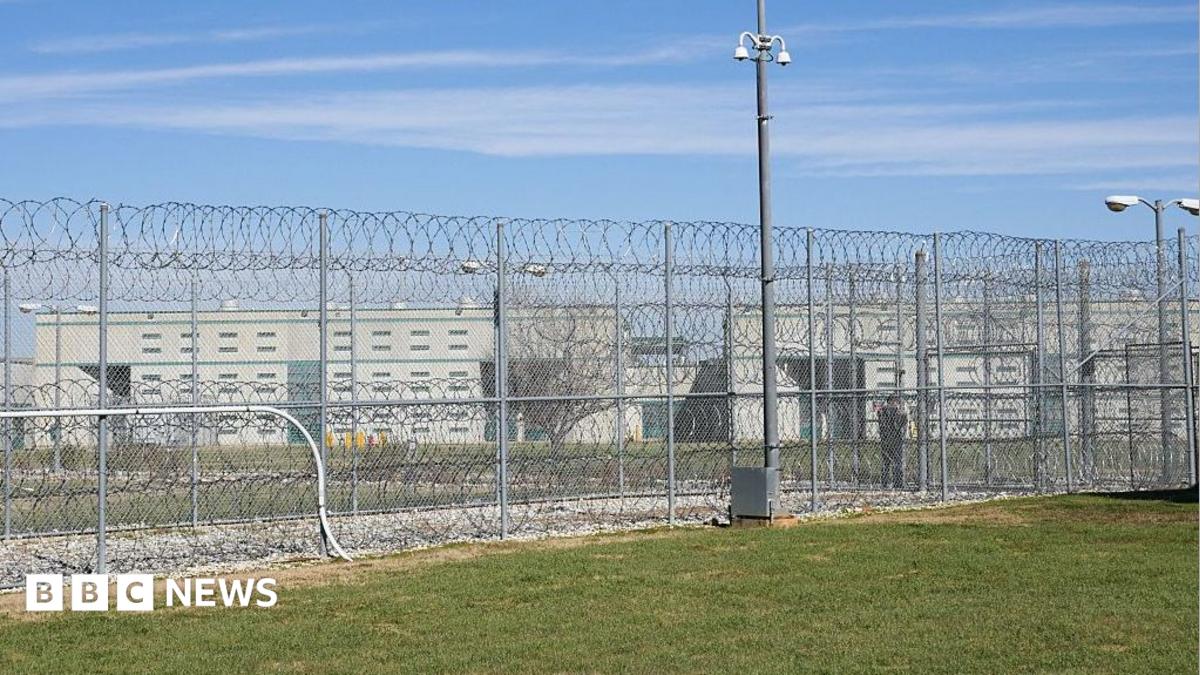
Geopolitical & Core Developments
Texas has carried out the first United States execution following intense legal battles surrounding lethal injection protocols, drawing immediate international attention. Lawyers representing death row inmate Jamaal Howard had urgently petitioned state and federal judges for a stay of execution, pointing to mounting controversies over recent procedures, including cases linked to Christa Pike. Despite these challenges, the execution proceeded, reigniting a long-standing domestic and international debate over capital punishment standards within the United States.
The event underscores the complex interplay between state-level judicial autonomy in the US and the growing expectations of international human rights organizations. State authorities maintained that statutory procedures were strictly followed, yet civil liberties groups argue that the persistence of legal ambiguities surrounding execution methods undermines confidence in judicial administration. As state legislatures across the country review corrections policies, the broader ramifications continue to resonate through diplomatic channels, testing bilateral relations with nations that have entirely abolished the death penalty.
Global Trade & Economic Ripples
While capital punishment is primarily a domestic judicial matter, events of this nature increasingly intersect with global commerce, corporate social responsibility, and international trade agreements. Multinational corporations and institutional investors operating under rigorous Environmental, Social, and Governance frameworks closely monitor human rights developments in key economic hubs like Texas. Discrepancies between US state practices and international human rights norms can complicate foreign direct investment and create reputational risks for firms headquartered in jurisdictions with strict abolitionist policies.
Furthermore, the controversy surrounding state penal systems feeds into broader discussions regarding regulatory compliance and ethical supply chain management. European Union trade partners, in particular, maintain strict export controls on pharmaceutical compounds used in lethal injections, frequently restricting trade to pressure American jurisdictions. This dynamic occasionally creates friction in transatlantic commercial dialogues, demonstrating how domestic penal policies can indirectly influence specialized chemical trade lanes and regulatory cooperation between major economies.
Related Intelligence: Pakistan Accuses India of State-Sponsored Terrorism at United Nations
International Reactions & Diplomatic Stances
International organizations and foreign governments were quick to respond to the resumption of capital punishment under disputed protocols. Representatives from the United Nations Human Rights Office reiterated longstanding calls for a universal moratorium on the death penalty, emphasizing that capital punishment is incompatible with fundamental human rights standards. European diplomatic missions in Washington issued statements underscoring their opposition to state-sanctioned executions, expressing concern over the reliability and humaneness of current lethal injection procedures.
Meanwhile, human rights advocacy groups, including Amnesty International and Human Rights Watch, mobilized campaigns calling for comprehensive legislative reform. These organizations argue that legal challenges regarding botched procedures point to systemic flaws that violate constitutional protections against cruel and unusual punishment. The diplomatic fallout, while rarely resulting in direct economic sanctions, serves to strain multilateral dialogues on human rights and judicial transparency.
Strategic Outlook & Future Scenarios
Looking ahead, the fallout from the Texas execution is expected to fuel ongoing litigation in federal courts regarding the constitutionality of specific lethal injection cocktails and execution methodologies. Defense attorneys are likely to leverage these ongoing controversies in future appeals, potentially leading to prolonged stays of execution and increased judicial scrutiny of state correctional departments.
On the international stage, foreign ministries and human rights bodies will likely intensify pressure on US federal and state authorities during upcoming periodic reviews at the United Nations. While these diplomatic pressures are unlikely to trigger immediate commercial sanctions, they contribute to a shifting global landscape where judicial practices increasingly influence international corporate standing, diplomatic partnerships, and soft power dynamics.
Join Our Official WhatsApp Channel
Receive live commodity alerts, policy changes, and commercial intelligence directly on WhatsApp.