
France Authorizes Municipal Curfews as Domestic Security Strains Test Paris
French Prime Minister Sebastien Lecornu has authorized expanded municipal curfews to regain civic control, sparking concerns over domestic productivity, retail trade disruption, and European political stability.
Geopolitical & Core Developments
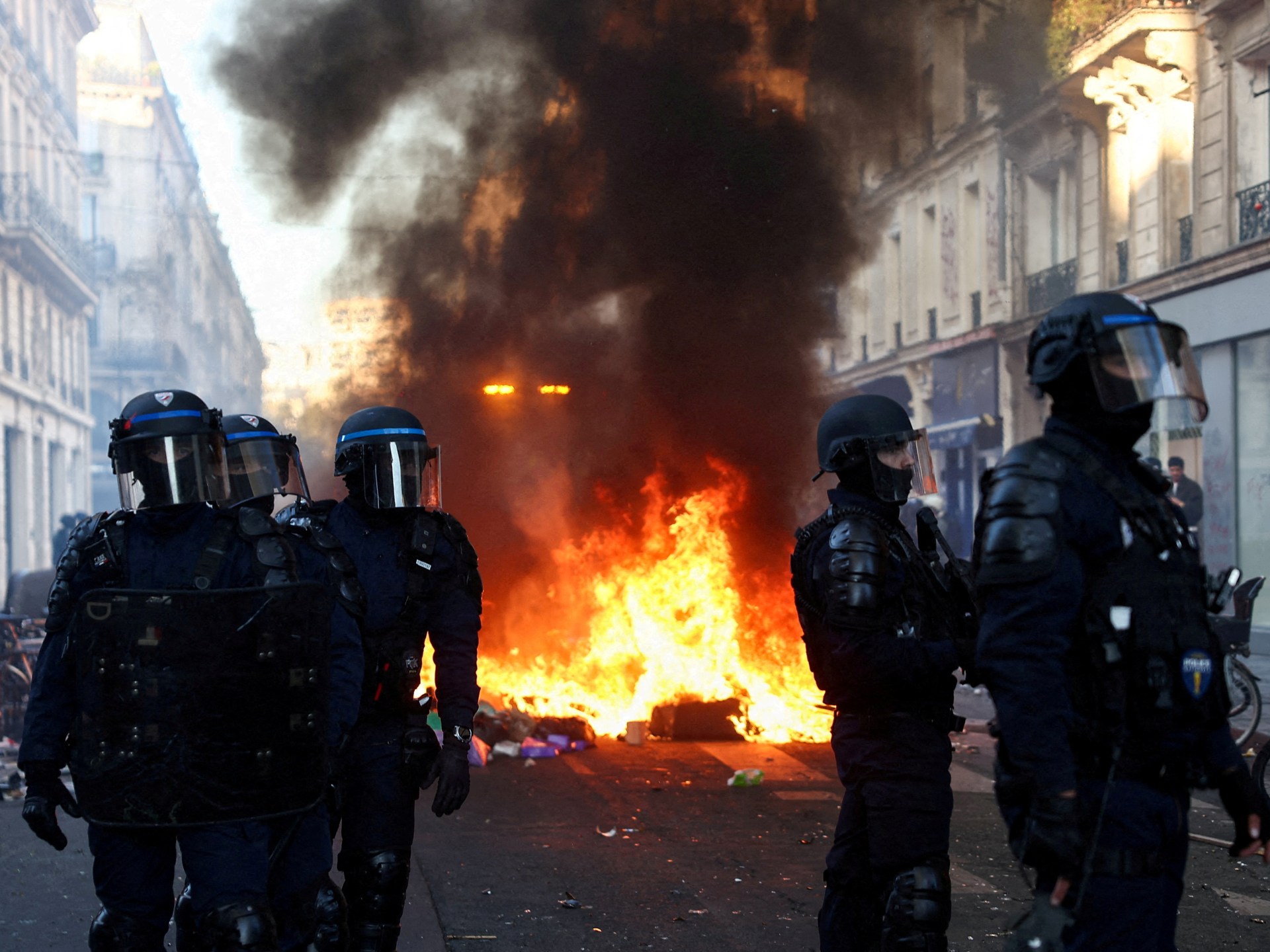
French Prime Minister Sebastien Lecornu has announced that local prefects will coordinate closely with mayors to institute municipal curfews, escalating the state's security apparatus in an effort to restore public order following persistent waves of civil unrest. The government's decision marks a critical juncture for the French executive, which is struggling to project authority against a backdrop of deep socioeconomic fractures and urban discontent.
The strategic rationale behind devolving curfew powers to the municipal level reflects the administration's dual objective: suppressing localized flashpoints while avoiding the politically toxic declaration of a nationwide state of emergency. Prefectures across major urban centers, including Marseille, Lyon, and suburbs surrounding Paris, have begun assessing nighttime mobility restrictions to deter organized disruptions and property destruction. Interior Ministry assets, including elite gendarmerie tactical units and specialized riot police, have been redeployed to enforce compliance, highlighting the severity of the operational challenge facing Paris.
[Global Trade](/news/european-energy-crisis-fuel-inflation-trade-impact) & Economic Ripples
The imposition of municipal curfews arrives at a vulnerable moment for the French economy, the European Union's second largest. The disruption of night shifts, inland logistics hubs, and metropolitan retail networks directly threatens commercial activity. Urban freight corridors have faced intermittent bottlenecks as transport operators adjust route schedules to circumvent curfew-restricted zones, creating knock-on delays for regional container delivery and air cargo hubs serving Charles de Gaulle and Orly airports.
Beyond domestic logistics, the broader market implications are reflected in sovereign debt instruments and foreign exchange sentiment. International investors are closely watching the spread between French 10-year sovereign bond yields (OATs) and the German Bund, which has experienced widening pressure amid political turbulence and fiscal uncertainty. A sustained escalation in urban violence and curfews also risks dampening tourist revenue, a pillar of France's services trade, while increasing operational costs for international consumer brands and logistics carriers operating across Western Europe.
Related Intelligence: Sovereign Debt Pressures Mount in France as Global Bond Markets Shift
International Reactions & Diplomatic Stances
International responses have centered on both diplomatic concern and cross-border security assessments. European Union neighbors, particularly Germany and Italy, have expressed cautious concern over the persistence of internal friction within a core member state, mindful of the potential for populist contagion and economic spillovers across the euro area. Diplomatic missions in Paris have updated travel advisories, urging citizens to avoid congested commercial centers and respect local curfew directives.
Credit rating agencies and sovereign risk analysts have highlighted that persistent unrest limits the administration's capacity to deliver required fiscal consolidation measures. Multilateral bodies and trade confederations have refrained from direct policy intervention, though business federations such as Medef have urged the central government to balance necessary security measures with guarantees that commercial transport and industrial operations will not be paralyzed by heavy-handed restrictions.
Strategic Outlook & Future Scenarios
The trajectory of the crisis will depend heavily on the efficacy of municipal-level enforcement and whether targeted curfews will de-escalate tension or provoke further localized confrontation. If curfews succeed in subduing unrest, the government may secure a temporary stabilization, allowing legislative attention to return to urgent budget negotiations.
Conversely, if unrest persists despite nocturnal restrictions, the executive could face renewed pressure to invoke broad emergency powers under Article 16 or statutory emergency declarations, a move that would carry severe domestic political fallout. For global investors and regional trading partners, the strategic stability of France remains critical to European economic governance, energy infrastructure integration, and diplomatic cohesion across the continent.
Join Our Official WhatsApp Channel
Receive live commodity alerts, policy changes, and commercial intelligence directly on WhatsApp.